English
 French
 Spanish
 Italian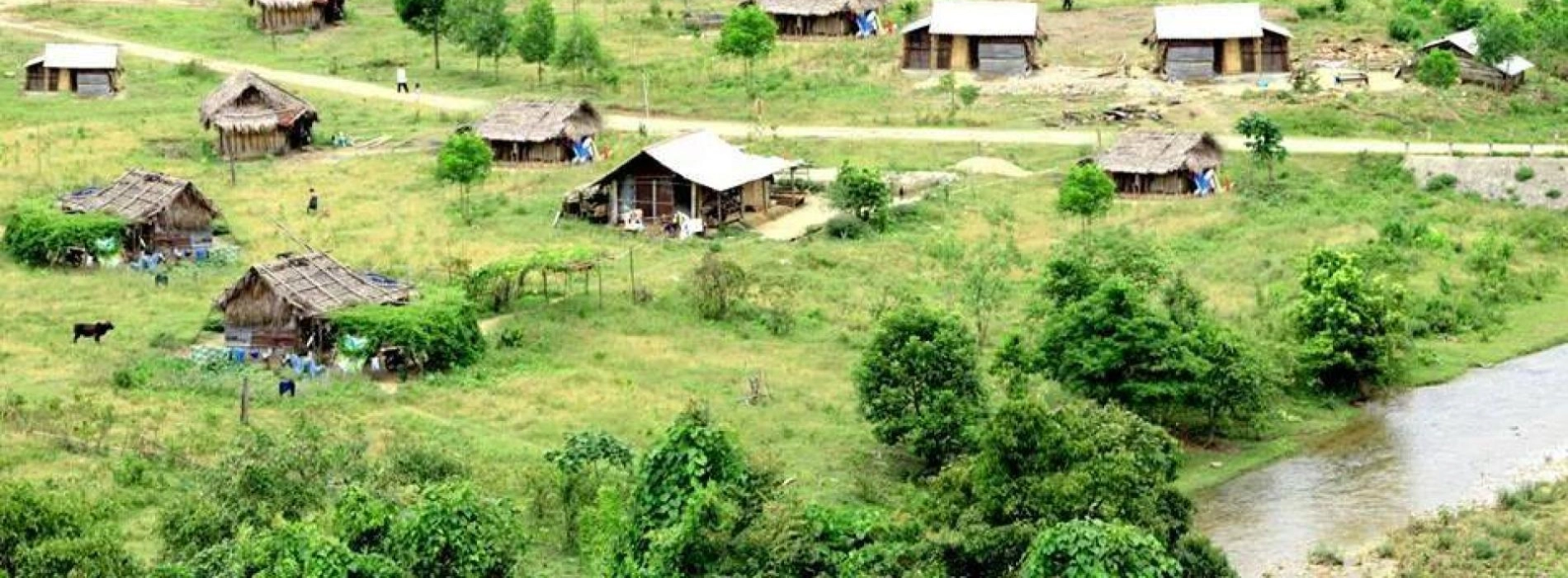
Vietnam’s eco-villages offer more than beautiful scenery. From ethnic communities in the north to coconut forests and floating wetlands in the south, Vietnam’s eco-villages invite travelers to experience local culture, nature, food, and everyday life at a slower pace.
For travelers searching for eco-villages in Vietnam, these destinations provide an alternative to busy cities and crowded tourist attractions. Instead of focusing only on famous landmarks, visitors can stay with local families, explore rural landscapes, taste regional food, learn traditional crafts, and discover how communities preserve their way of life.
From the mountains of northern Vietnam to the waterways of the Mekong Delta, Vietnam’s eco-villages offer different experiences depending on the region. Some are surrounded by mountains and rice fields, while others are built around rivers, forests, wetlands, or coastal landscapes. Together, they show a more authentic side of Vietnamese culture and rural life.
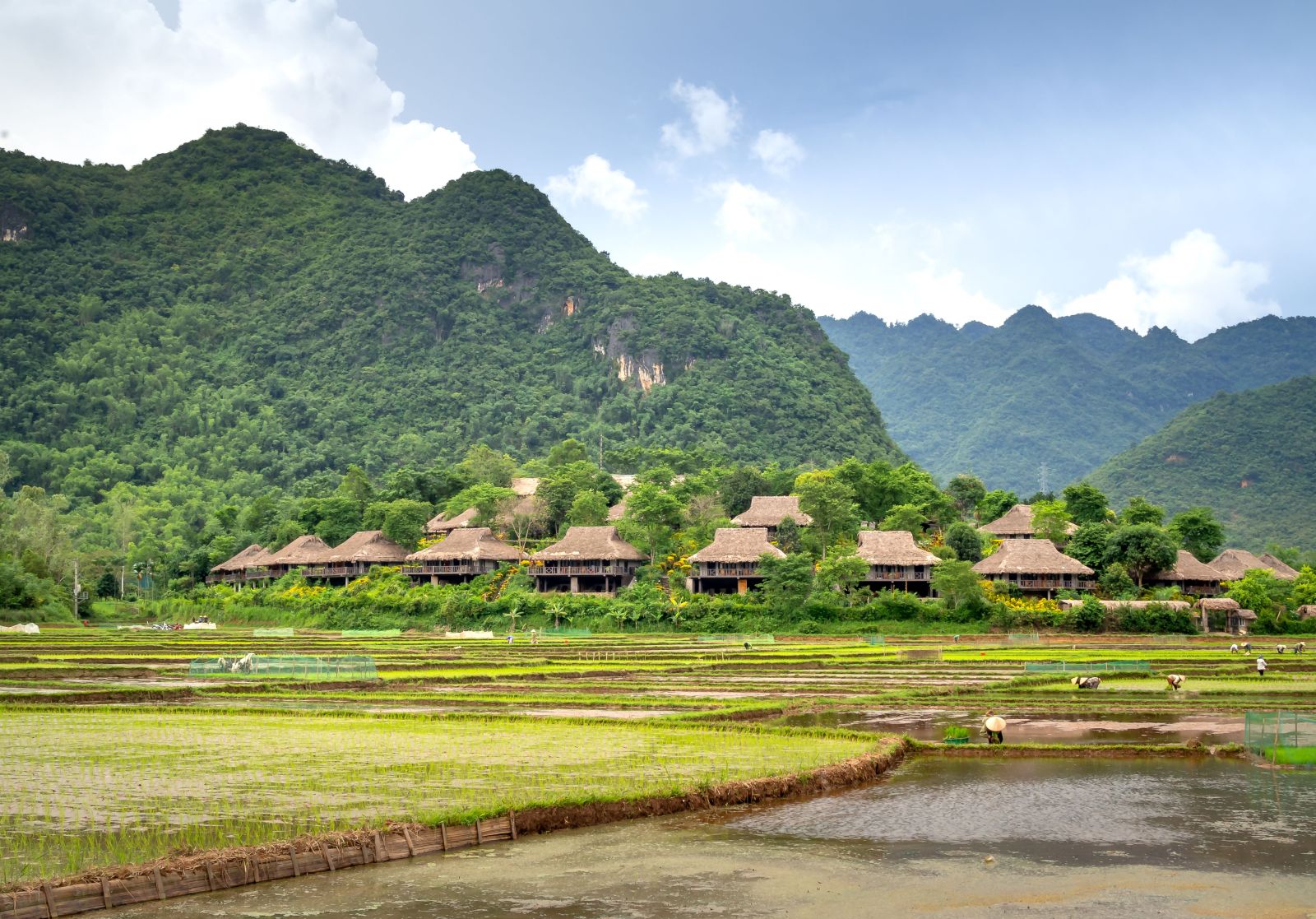
A peaceful rural village nestled among lush mountains and rice fields under a clear blue sky
Northern Vietnam is home to some of the most culturally distinctive eco-villages in Vietnam. Mountain communities combine traditional architecture, ethnic heritage, agriculture, and spectacular natural landscapes.
Near Lung Cu Flag Tower, Lo Lo Chai Village is home to the Lo Lo people. They are known for colorful clothes, traditional homes, festivals, and handicrafts.
Travelers can walk around the village, stay at a homestay, try local dishes, and learn about everyday life. The surrounding mountain scenery also makes Lo Lo Chai a memorable stop on a Ha Giang trip.
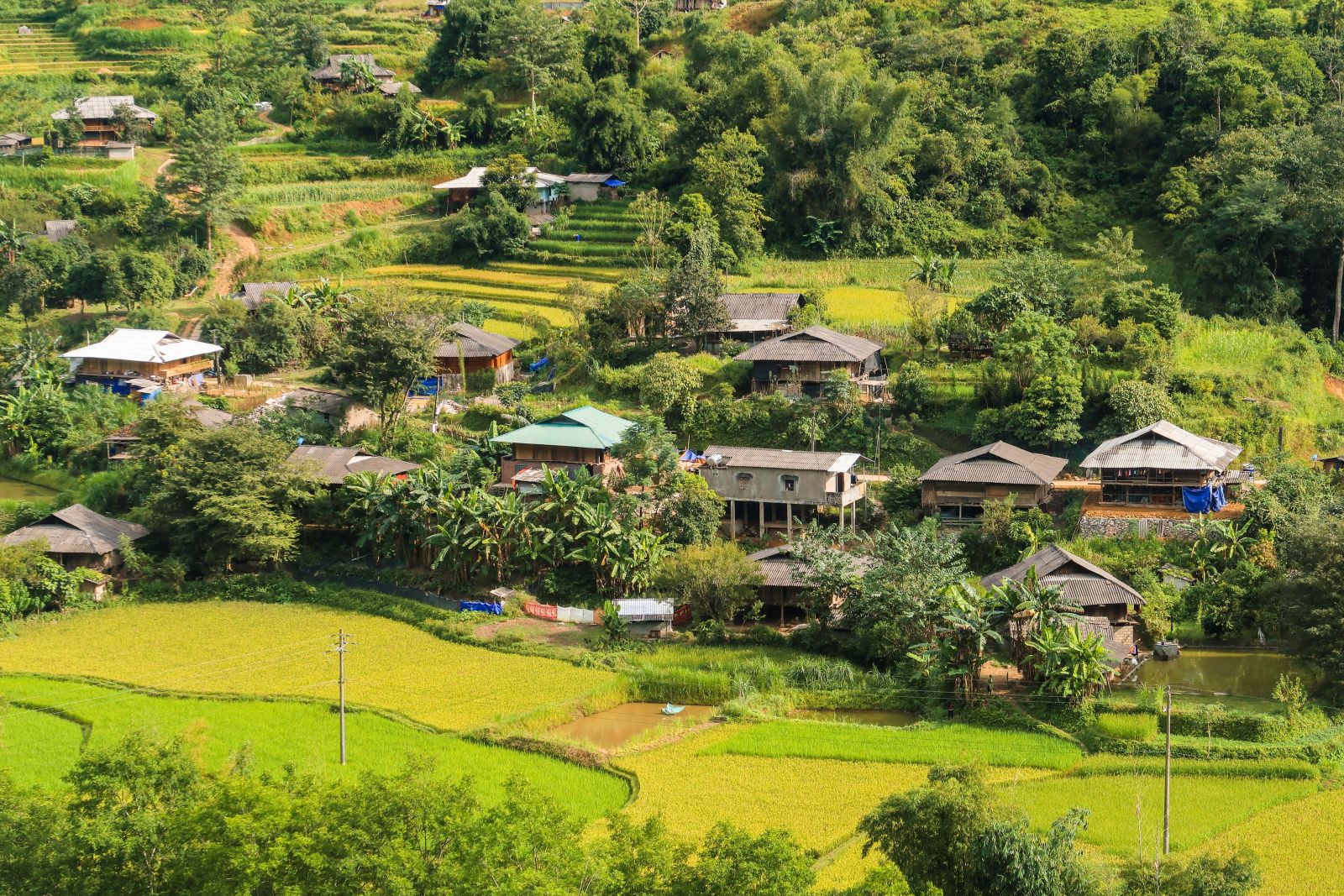
A stunning aerial view of the Ha Giang countryside, showcasing traditional houses and vibrant rice fields
Cua Van is one of Vietnam’s most unusual village experiences. Located in Ha Long Bay, the former fishing community developed around life on the water, with floating homes surrounded by limestone islands.
Although residents have moved ashore, this village remains a cultural attraction. Visitors can explore by boat or kayak and learn about the fishing traditions that shaped local life. The Vietnam National Tourism Authority highlights April to June as a favorable period to visit.
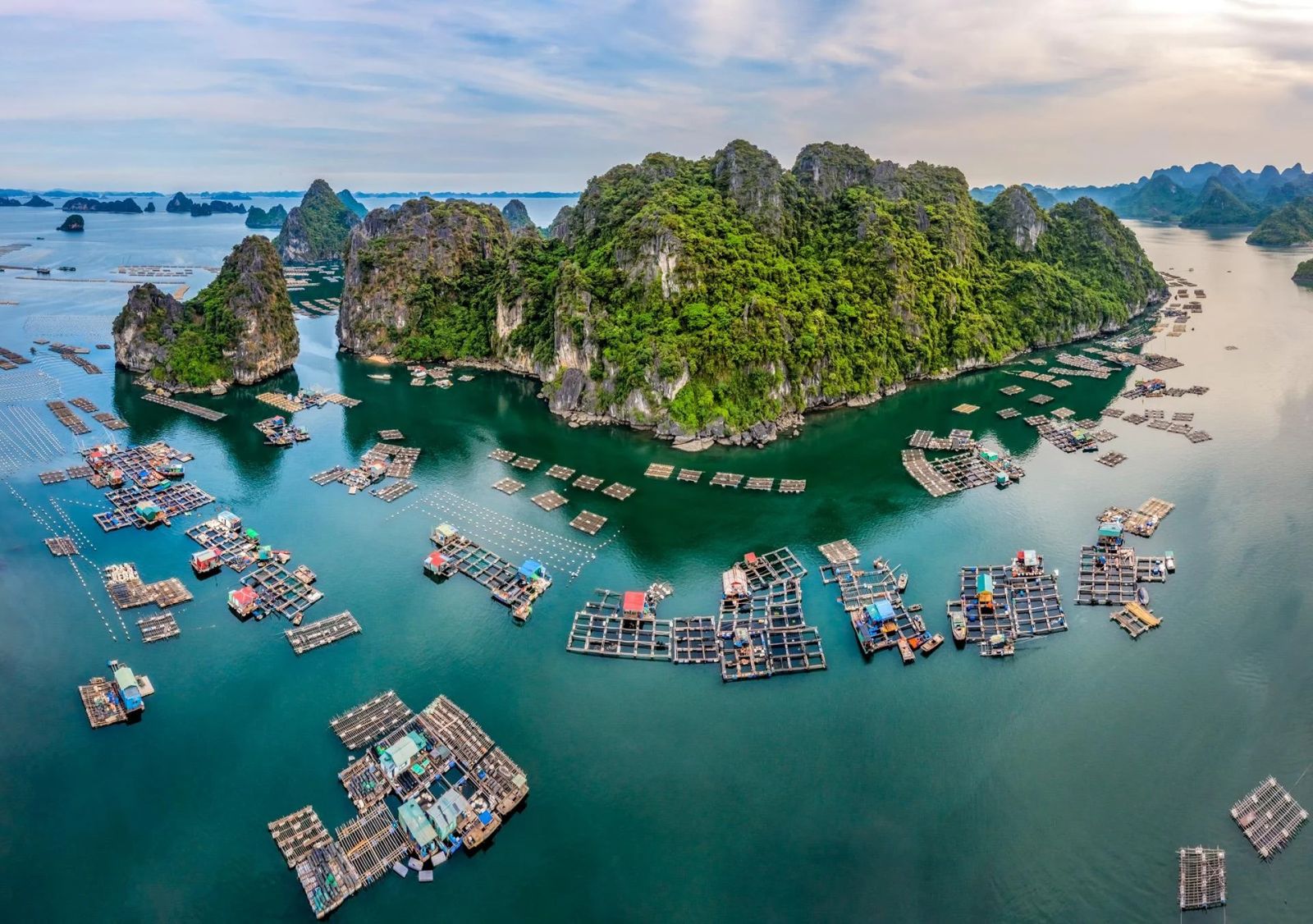
Cua Van Floating Village: a peaceful spot to unwind and relax in Ha Long
Thai Hai Ecological Stilt House Village is a leading example of community-based tourism in Vietnam’s eco-villages. It preserves Tay and Nung stilt houses in a green setting of gardens, ponds, and hills.
Visitors can enjoy local food, music, crafts, and daily life, with homestays offering deeper cultural immersion. Recognized by UN Tourism in 2022, Thai Hai stands out among eco-villages in Vietnam for its strong cultural preservation and authentic community interaction.
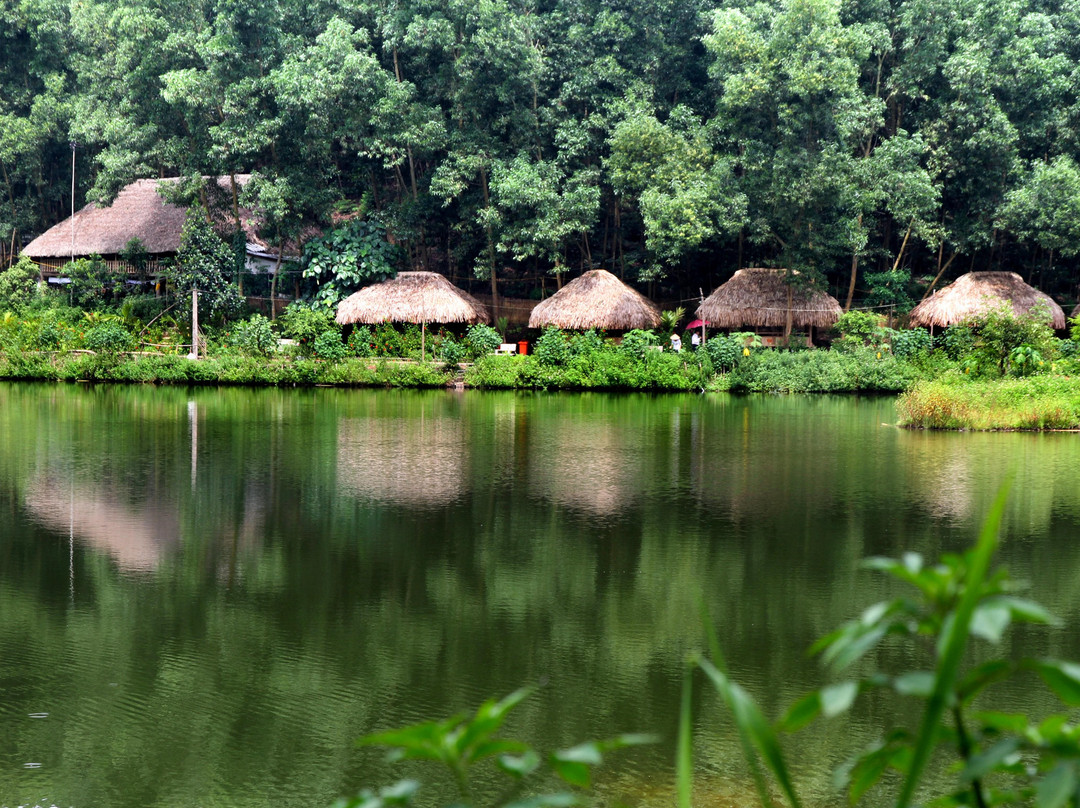
Be a family member with local ethnic people! - Picture of Thai Hai Ethnic Village
Hidden on Cat Ba Island, Viet Hai Village is surrounded by forest, mountains, and the sea. Its quiet roads make it ideal for travelers wanting a break from busy tourist areas.
Cycling and walking are popular ways to explore the village. Visitors can see gardens, traditional homes, and rural landscapes before continuing into the wider Cat Ba area.
For those looking for eco-villages in Vietnam with a combination of nature and rural culture, Viet Hai offers a peaceful experience away from the island’s busier tourist areas.
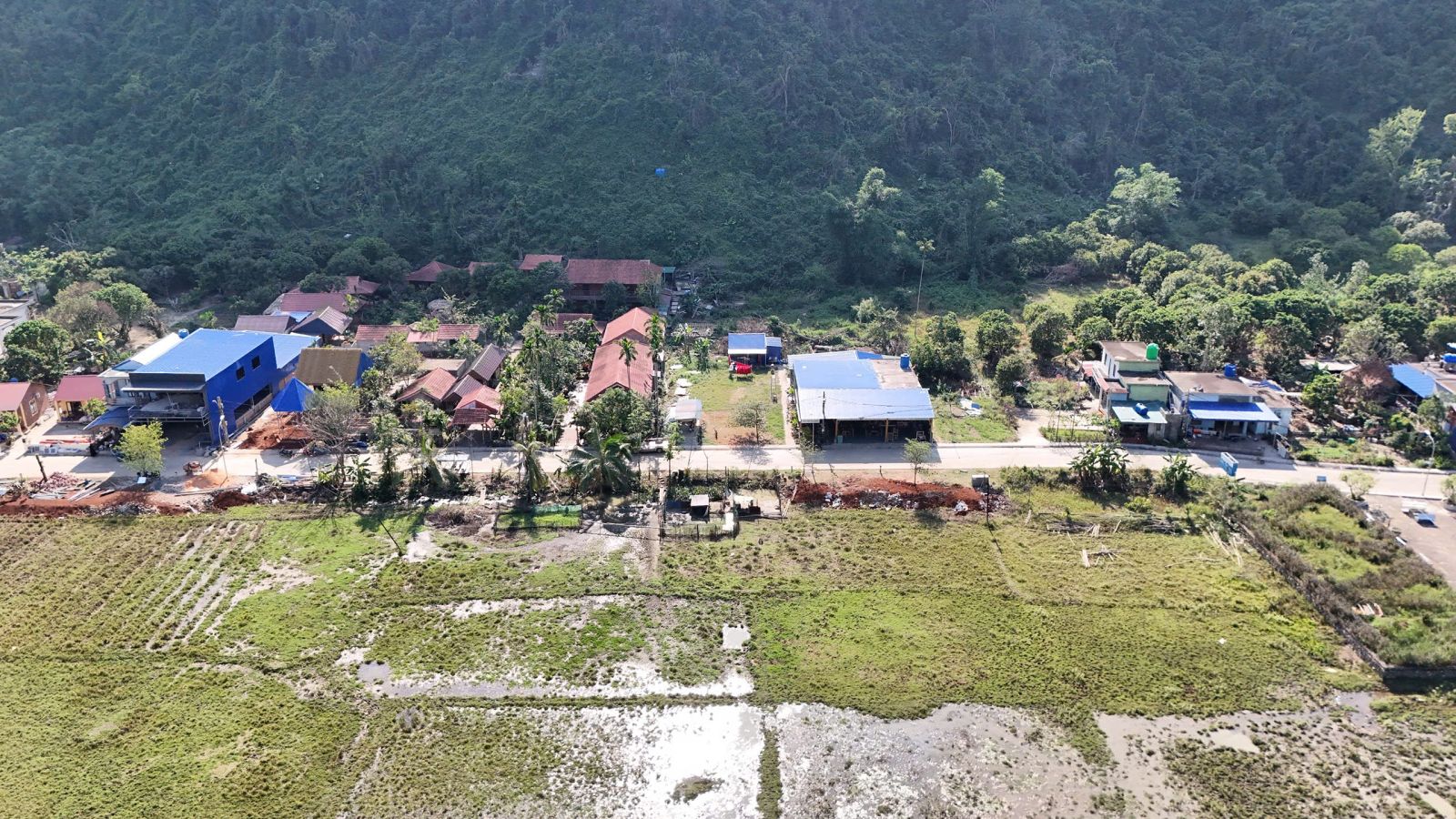
Viet Hai Ancient Village - The Essence of Traditional Vietnamese Countryside
You may also like: Vietnam National Village for Ethnic and Tourism
Near Hoi An, Cam Thanh Coconut Village is famous for its water coconut forest and narrow waterways. The classic experience is a basket-boat ride through the forest, offering a closer look at the landscape and traditional river life.
The village is an easy addition to a Hoi An itinerary and provides a peaceful contrast to the Ancient Town. Visitors can also enjoy local food and cycling through the countryside.
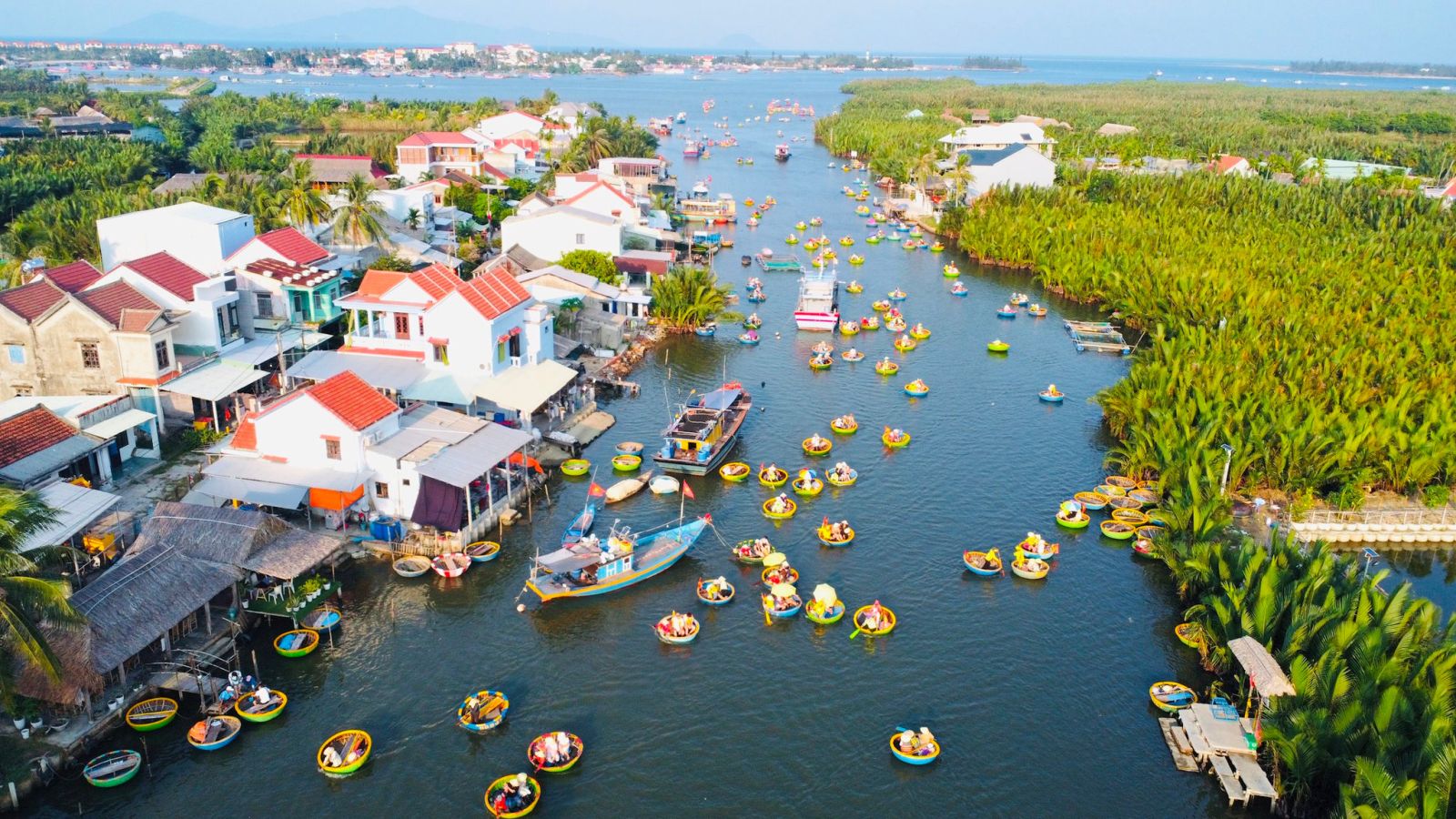
Cam Thanh Coconut Village Tour is Best Activities in Hoi An!
Tra Nhieu is a quieter choice for travelers interested in community-based tourism near Hoi An. The village is associated with rivers, gardens, traditional livelihoods, handicrafts, and local cuisine.
Cycling, boat trips, craft activities, and conversations with residents allow travelers to experience rural life at a slower pace.
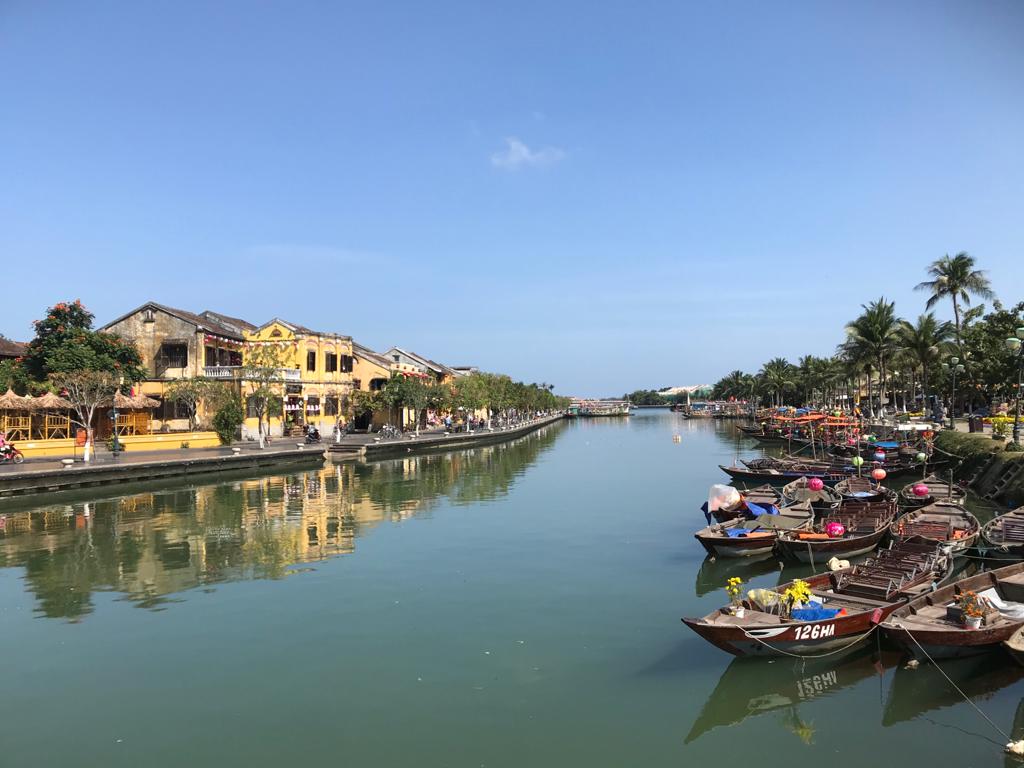
Tra Nhieu Village is well worth a visit
Ve Nguon Ecological Village combines green surroundings with traditional cultural elements. It suits visitors who want to experience rural Central Vietnam while remaining close to Hue.
Travelers can explore the countryside, enjoy local dishes, discover traditional architecture, and spend time in a quieter setting away from the city’s main historic attractions.
The village also demonstrates how eco-villages in Vietnam can combine cultural experiences with natural surroundings without requiring travelers to travel far from major destinations.
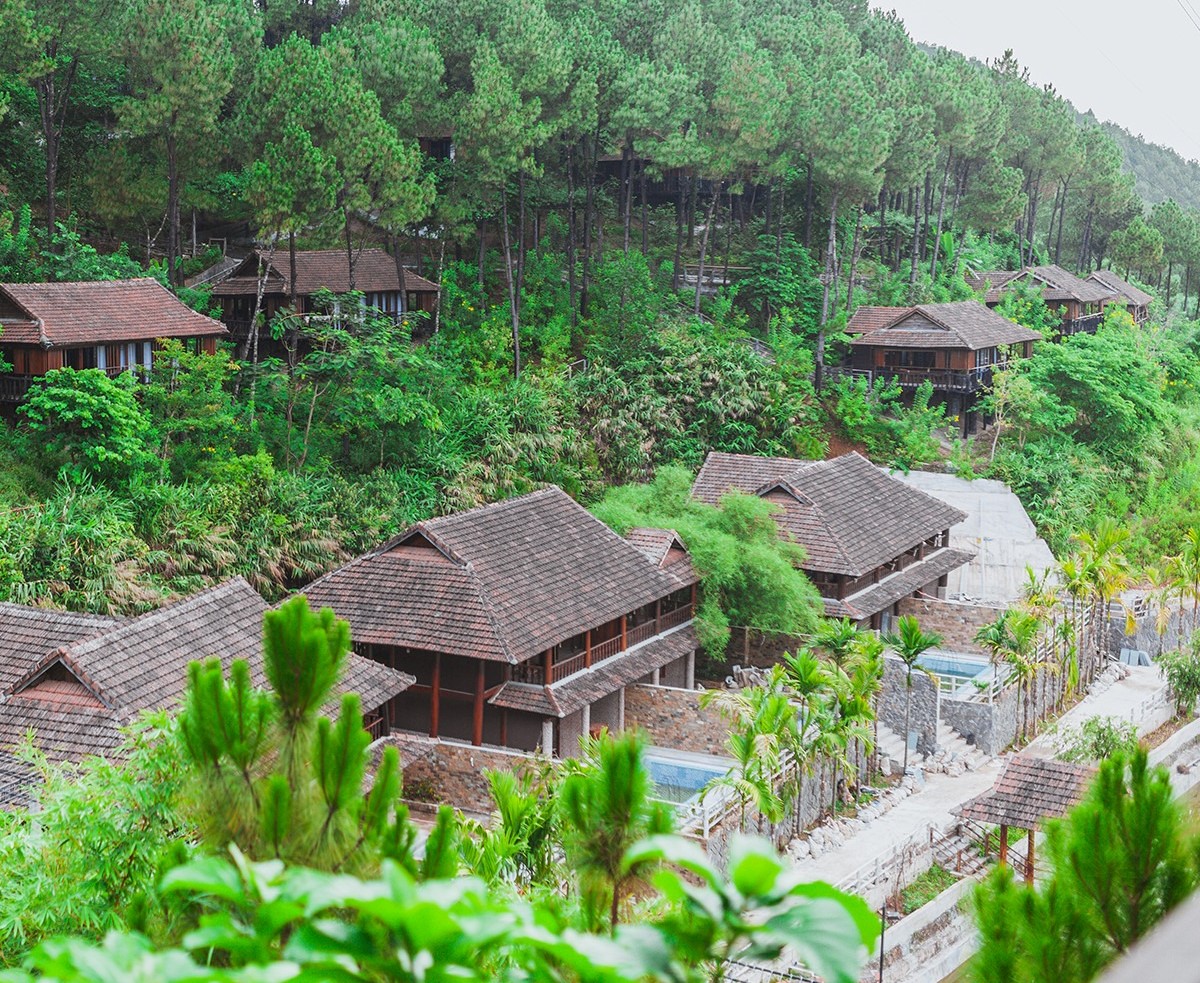
Ve Nguon Ecological Village
You may also like: Vietnam Thailand Tour 15 days: A Tapestry of Cultures and Landscapes
Ong De Eco-Tourism Village introduces visitors to the relaxed countryside culture of the Mekong Delta. Gardens, waterways, local food, outdoor activities, and traditional games create an experience focused on interaction rather than sightseeing.
It is particularly suitable for families and first-time visitors to Can Tho who want an easy introduction to southern rural life.
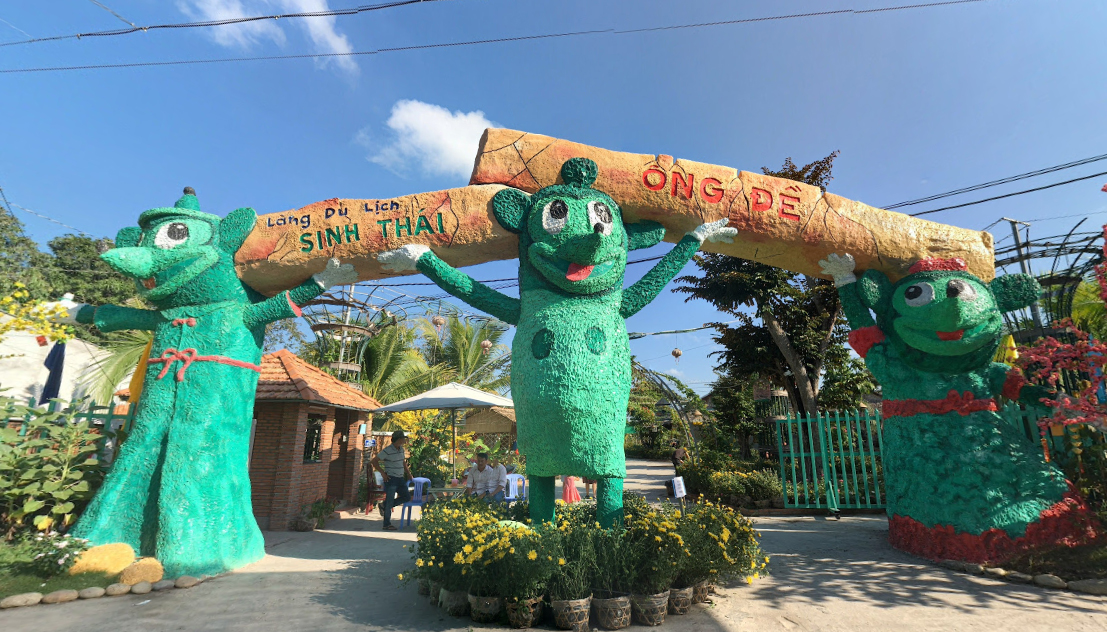
Ong De Eco-Tourism Village
Da Noi Ecological Village offers another green escape around Can Tho. The experience centers on countryside scenery, waterways, gardens, and local hospitality.
Rather than moving quickly between attractions, visitors can enjoy the landscape and regional food at a slower pace. This relaxed approach is one of the defining characteristics of Vietnam’s eco-villages, where the journey is often as important as the individual attractions.
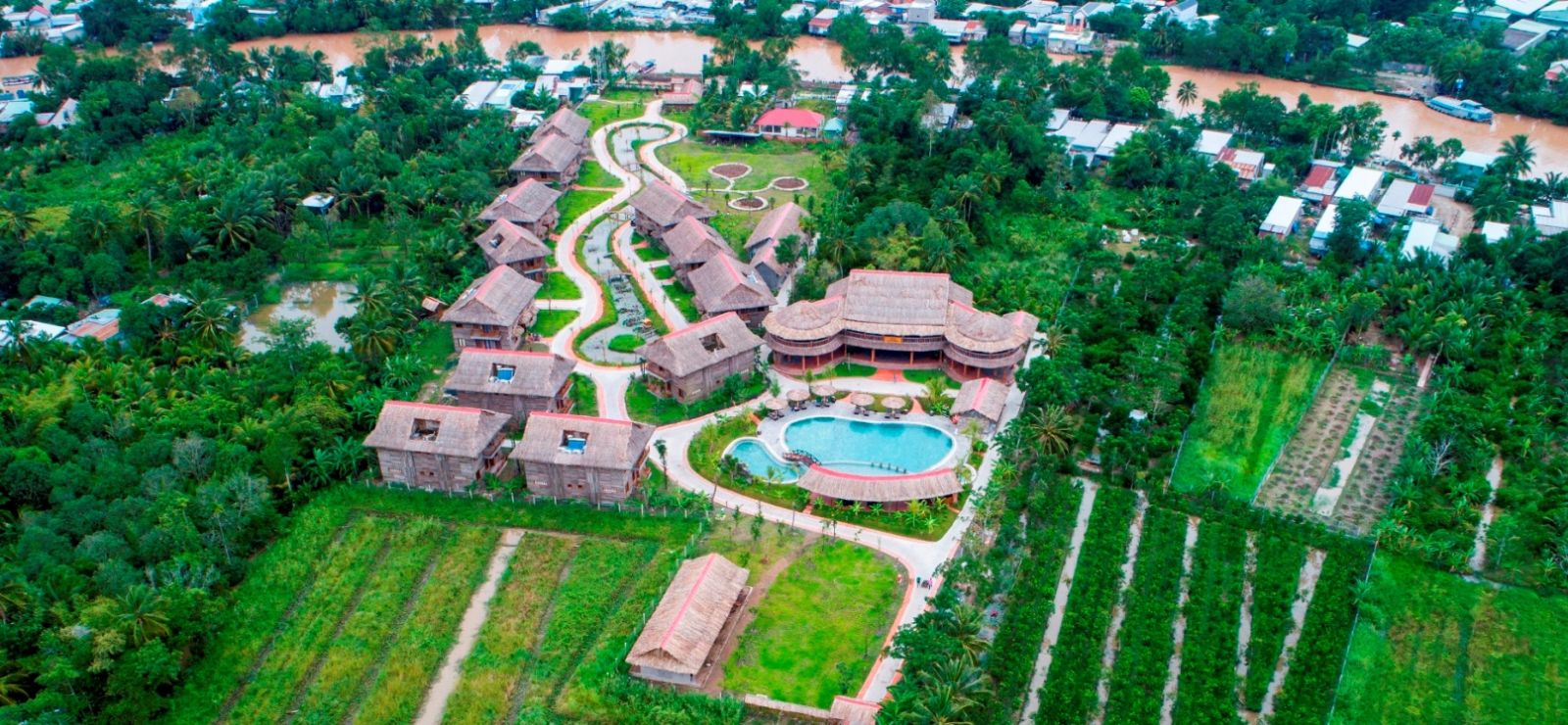
Da Noi Ecological Village, Can Tho
Tre Viet Tourism Village is a convenient countryside escape near Ho Chi Minh City. Bamboo, waterways, traditional-style structures, and outdoor activities create an atmosphere inspired by southern village life.
Its location makes it suitable for a short trip, with water-based recreation, local food, and green surroundings.
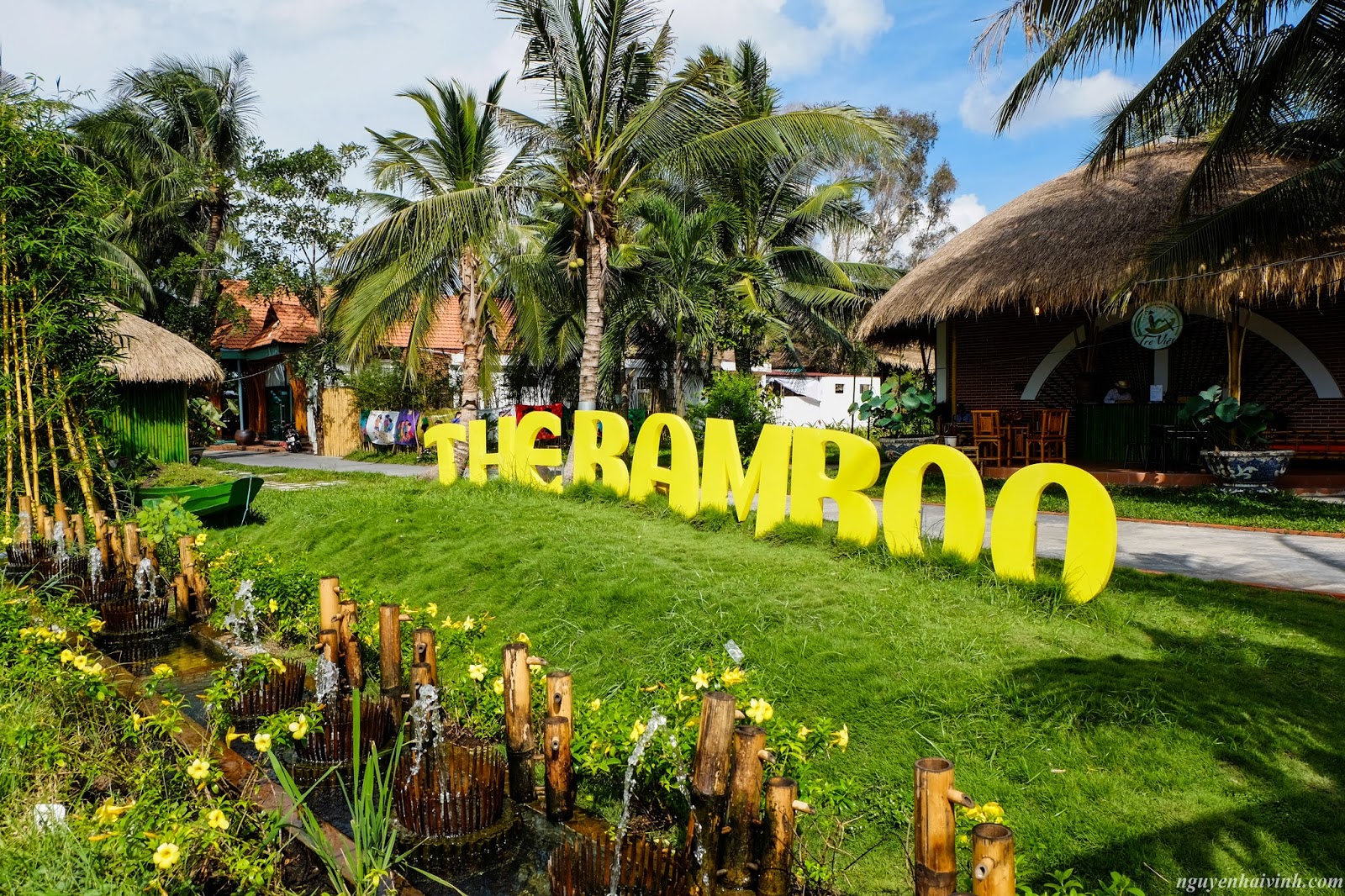
Tre Viet Tourism Village
Tan Lap Floating Village is one of southern Vietnam’s best-known wetland eco-tourism destinations. Located in the Dong Thap Muoi wetlands, it features melaleuca forest, narrow canals, lotus, water plants, and birdlife.
The best way to explore the landscape is by boat, while walking trails lead through the forest. An observation tower offers panoramic views. The official tourism authority notes that September to November can be especially attractive because water levels are higher and lotus flowers are in bloom.
Among Vietnam’s eco-villages, Tan Lap is particularly interesting for travelers who want to combine nature and eco-tourism. Its wetlands and waterways provide a completely different environment from the mountain villages of northern Vietnam.
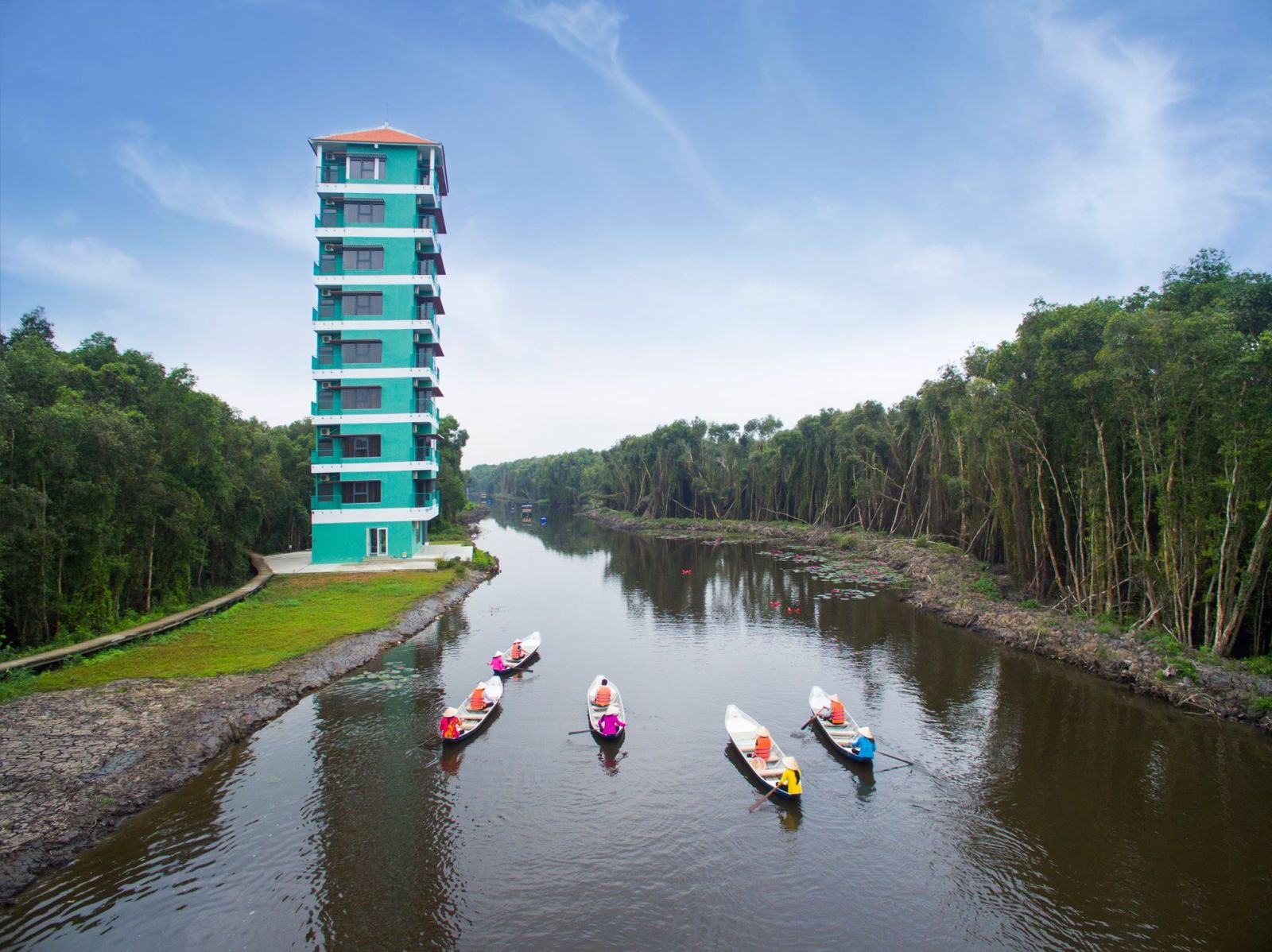
Amazing view of Tan Lap Floating Village, Long An
You may also like: Vietnam Motorbiking Tour 16 days: Legendary Trail Riding
What are the best eco-villages in Vietnam?
Popular choices include Lo Lo Chai, Thai Hai, Viet Hai, Cam Thanh Coconut Village, Tra Nhieu, and Tan Lap Floating Village. Each offers a different mix of nature, culture, community tourism, and outdoor activities.
What is the best place for eco-tourism in Vietnam?
There is no single best destination. Northern Vietnam is ideal for mountain scenery and ethnic culture, Central Vietnam for river and village experiences, and the Mekong Delta for waterways, wetlands, gardens, and rural life.
What is the best time to visit Vietnam' eco-villages?
The ideal season depends on the region. Northern destinations are generally more comfortable in cooler, drier months, while Central Vietnam is better during periods with less rain. In the Mekong Delta, travelers can choose based on water levels, greenery, lotus blooms, and weather.
Are eco-villages in Vietnam worth visiting?
Yes. They are a good choice for travelers who want local food, nature, cultural experiences, and slower travel. Many can also be combined with major destinations such as Ha Giang, Ha Long Bay, Hoi An, Hue, Cat Ba, and Can Tho.
What can you do in an eco-village in Vietnam?
Depending on the destination, activities may include homestays, cycling, boat trips, basket-boat rides, cooking, handicrafts, fishing, hiking, and cultural performances. The main appeal is usually direct interaction with local communities.
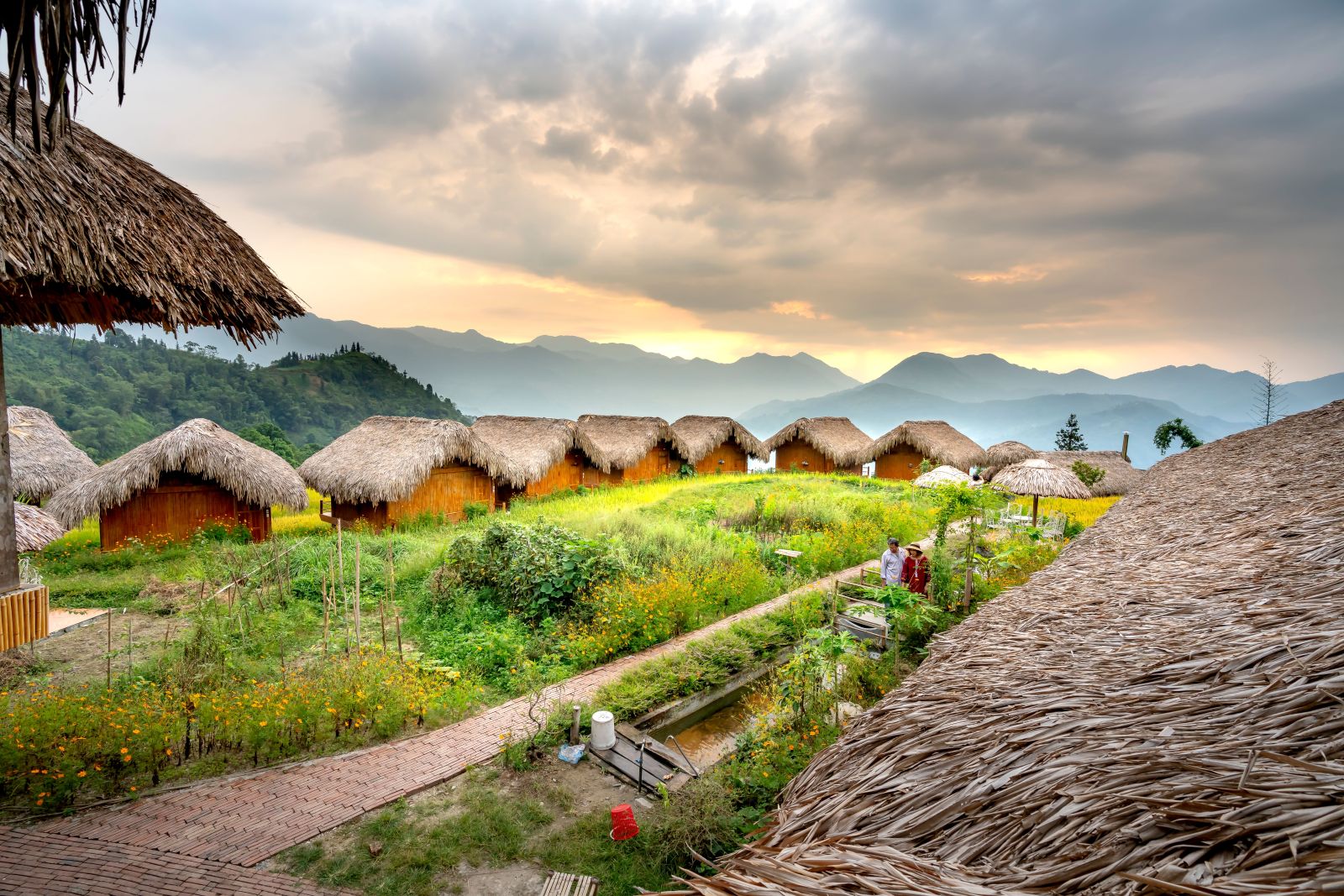
A beautiful village with thatched-roof huts nestled among lush green hills under a cloudy sky
Vietnam’s best eco-villages reveal a side of the country that is easy to miss when traveling only between major cities and famous landmarks. Lo Lo Chai and Thai Hai highlight ethnic culture and mountain traditions, while Cua Van, Cam Thanh, and the Mekong Delta villages show how closely Vietnamese communities are connected to water.
For travelers looking for authentic experiences in nature, these villages offer a meaningful way to slow down, meet local people, and experience Vietnam through its landscapes and everyday traditions.
You may also like: Vietnam's Traditional Craft Villages: Timeless Beauty