English
 French
 Spanish
 Italian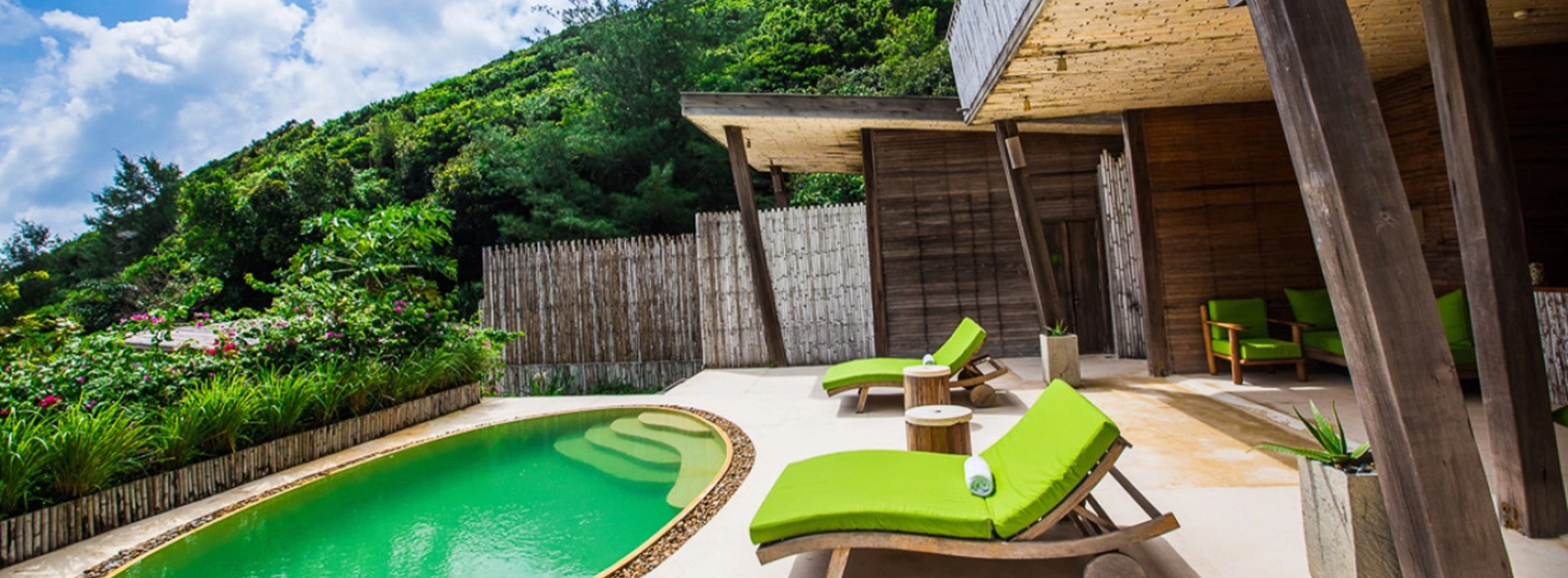
Travel is no longer simply about visiting famous landmarks or escaping everyday life. More travelers are now looking for journeys that help them sleep better, reduce stress, improve physical health and return home feeling genuinely restored. This shift is driving one of the fastest-growing segments of global tourism: wellness travel.
Vietnam is increasingly becoming part of this movement. With internationally connected cities, improving healthcare facilities, traditional healing practices, tropical coastlines, mountains, mineral springs and an established spa culture, the country has strong foundations for developing both wellness tourism and medical tourism.
In 2026, this potential is receiving greater attention from the tourism industry, healthcare sector and Vietnamese authorities.
Wellness tourism refers to travel motivated partly or primarily by improving or maintaining personal well-being. Unlike traditional holidays focused mainly on sightseeing, a wellness journey may include activities such as yoga, meditation, spa treatments, healthy food, hot-spring bathing, fitness, nature immersion and stress-management programs.
.jpg)
Wellness tourism in Vietnam
It should also be distinguished from medical tourism.
Medical tourism generally involves travelling to receive a specific medical service, such as dental treatment, health screening, fertility treatment, dermatology, cosmetic procedures or specialist care. Wellness tourism is broader and usually focuses more on prevention, relaxation and long-term well-being.
However, the boundaries between the two are becoming less rigid. A traveler may, for example, undergo a health screening in Ho Chi Minh City, spend several days recovering at a coastal resort and then continue with a relaxing cultural journey.
This combination of healthcare, recovery, and travel is becoming one of Vietnam's most interesting tourism opportunities.
Vietnam already has many of the ingredients travelers increasingly seek from a health-focused holiday.
Visitors can combine beaches, mountains, forests, hot springs and traditional therapies within a relatively compact destination. Central Vietnam in particular has developed wellness experiences around mineral springs, spa treatments, meditation and nature-based relaxation. Vietnam's official tourism portal has highlighted destinations such as Hue for natural hot-spring and holistic wellness experiences.
At the same time, Vietnam's medical sector has become increasingly relevant to international travelers.
.jpg)
Many Vietnam medical services attract foreign patients
A Vietnam News Agency report published in August 2026 estimated that approximately 300,000 international visitors use medical services in Vietnam each year, generating roughly US$1–2 billion in spending across healthcare, accommodation, food and transportation.
Among the services already attracting international patients are dental care, health check-ups, assisted reproduction, aesthetic medicine and several advanced medical specialties. Medical visitors currently include overseas Vietnamese as well as travelers from Cambodia, Laos, South Korea, Japan, Australia and European markets. These developments are helping create a tourism model that goes beyond the traditional spa holiday.
Wellness travel is more than a spa day — Check out 7 Types to Try
One of the biggest changes in wellness travel is the move from simply "relaxing" toward preventive healthcare.
Travelers increasingly want to understand their health before problems appear. Comprehensive check-ups can therefore become part of a longer holiday.
Vietnam's major cities are particularly well positioned for this trend because travelers can combine medical appointments with cultural attractions and easy domestic connections. The medical appointment becomes one part of the journey rather than the entire reason for travelling.
Vietnam's wellness advantage does not depend solely on modern hospitals.
Traditional medicine, medicinal herbs, herbal baths, massage and plant-based therapies can provide a cultural dimension that conventional medical tourism cannot. The event introduced Vietnamese medicinal herbs while connecting traditional medicine with wellness and tourism experiences.
.jpg)
Museum of Traditional Vietnamese Medicine
This type of experience could become increasingly important because today's wellness traveler often wants something connected to the destination itself.
Thermal and mineral springs are also benefiting from the global wellness boom. The Global Wellness Institute valued the worldwide thermal and mineral springs sector at approximately US$71.7 billion in 2024 and projects annual growth of about 10% from 2024 to 2029.
Vietnam has several destinations that can take advantage of this demand.
.jpg)
Hot springs in Vietnam
Places such as Quang Hanh in Quang Ninh and the Hue area demonstrate how mineral bathing can be transformed into a complete wellness experience incorporating accommodation, spa treatments, healthy meals and nature.
This fits another major travel preference: spending more time in nature.
Instead of filling every day with sightseeing, travelers may deliberately leave several hours free for bathing, yoga, meditation, forest walks or simply resting.
Discover Vietnam’s best eco-villages for Authentic Experiences in Nature
Healthy eating is also becoming an important part of wellness travel.
Vietnamese cuisine already offers many elements that fit naturally into the wellness market: fresh herbs, vegetables, soups, tropical fruit and dishes based on relatively simple ingredients.
.jpg)
Vietnam Food
Future wellness products can go further by combining healthy menus with cooking experiences, organic farms, herbal drinks, nutrition consultations or local medicinal ingredients.
Food therefore becomes more than another attraction. It becomes part of the traveler's health and recovery experience.
One of the clearest indications that this sector is gaining momentum is the number of professional events addressing health and wellness travel.
Medical tourism was again discussed at ITE HCMC 2026, held from August 27–29. A EuroCham conference during the exhibition focused on AI, medical tourism and sustainable tourism development, demonstrating how medical tourism is becoming increasingly connected to Vietnam's wider tourism strategy.
And the momentum is expected to continue through the final months of 2026. Wellness Expo 2026 is scheduled for October 29–31 in Hanoi, focusing on health products and wellness lifestyles.
In Da Lat, the K-Vietnam Wellness Festa & Expo 2026 is scheduled for November 20–24, combining wellness industry activities with culture, business exchange and a climate-focused running event around Xuan Huong Lake.
Together, these events suggest that wellness tourism is moving from a niche hospitality concept toward a wider ecosystem connecting tourism, healthcare, technology, traditional medicine, lifestyle and international business.
Vietnam is becoming an increasingly attractive destination for medical and wellness tourism, combining quality healthcare, wellness experiences, and relaxing natural surroundings. Whether you are looking for preventive care, recovery, or a wellness-focused escape, ask us to create a personalized medical wellness journey in Vietnam tailored to your needs.
Is Vietnam safe for a wellness holiday? Discover practical travel advice, healthcare access, safe wellness stays and relaxing destinations across Vietnam