English
 French
 Spanish
 Italian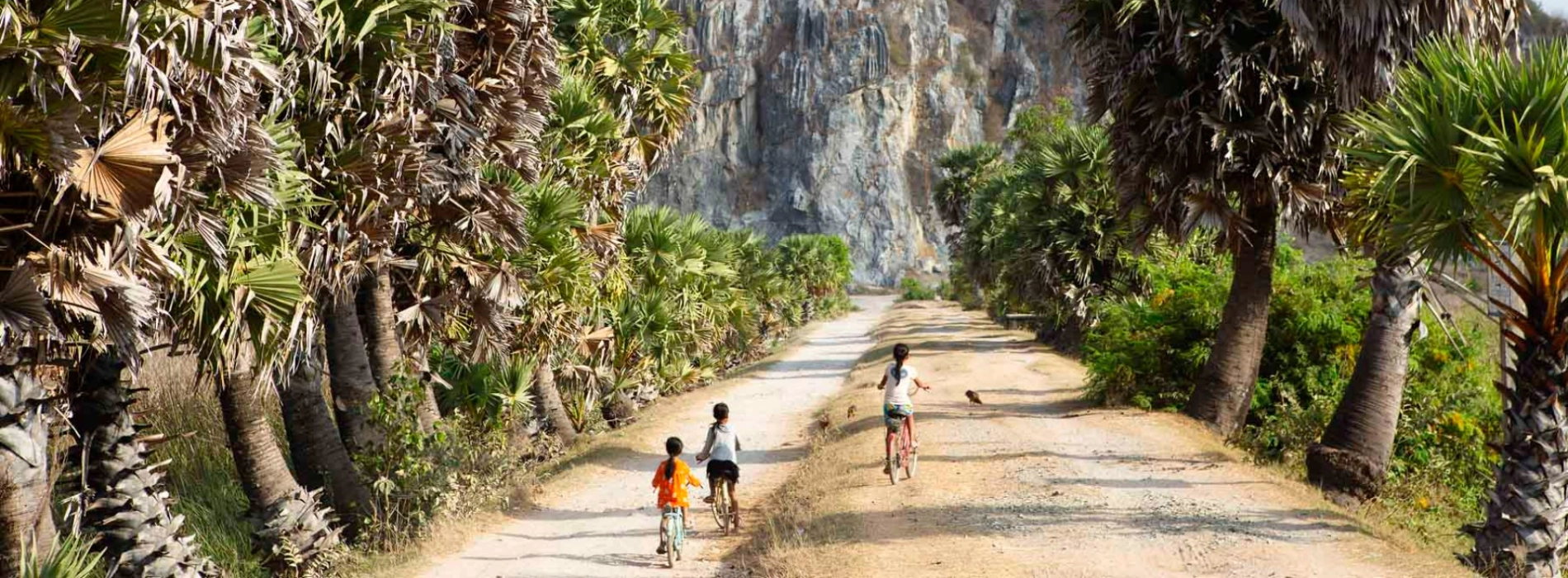
From community-based villages and conservation initiatives to ethical wildlife sanctuaries and low-impact adventures, Cambodia gives travelers the opportunity to go beyond simple sightseeing, make a positive impact through their journey. This is the guide of ecotourism in Cambodia, and how you can experience it in a truly responsible way.
Cambodia’s natural environment has faced serious challenges, particularly over the past few decades. Many environmental experts consider it one of the most vulnerable countries in Asia. Vast areas of high-canopy rainforest that once covered the nation have been lost due to both legal and illegal logging. This deforestation has caused serious soil erosion, removing fertile soil and making the land difficult for farming.
In history, about 70% of Cambodia was covered by primary rainforest in 1970. By 2007, this had fallen to just 3.1%. Wildlife has also been affected, illegal trade have damaged or destroyed around 75% of natural habitats.
.jpg)
Ecotourism in Cambodia with beloved friends
Even with these challenges, ecotourism in Cambodia is starting to make a real difference. The Cardamom Mountains, one of the last wild forest areas in Southeast Asia, are now drawing more visitors looking for eco-friendly experiences.
In eastern Cambodia, provinces such as Ratanakiri and Mondulkiri are also paying attention for eco-travel experiences. These dense forests support a rich diversity of wildlife and are home to approximately 12 Khmer Loeu ethnic minority groups. Destinations such as Banlung provide distinctive trekking opportunities, while conservation and sustainable tourism initiatives play an important role in preserving the region’s natural ecosystems and cultural heritage.
Sustainable tourism is simply about traveling with more awareness. Choose eco-friendly tours or donate to conservation projects, you're not just taking home memories; you're also giving back. It helps protect these fragile environments and helps the people nearby in a better, more long-lasting way.
Turn your trip into something more meaningful with our sustainable travel experiences in Siem Reap
These are some great ecotourism spots in Cambodia where you can enjoy the natural beauty of the country while also being responsible and kind to the environment.
One of the most significant ecosystems in the world, Botum Sakor National Park in Cardamom Mountains forest complex, offers a rare glimpse into Cambodia’s untouched wilderness. It is also home to some of Southeast Asia’s most endangered wildlife, including the critically endangered Indochinese tiger, pileated gibbon, Asian elephant, Sunda pangolin, Bengal slow loris, fishing cat, and hog deer.
.jpg)
Chance to learn about the ecosystem while spotting wildlife along the way
Visitors can enjoy the park through Cardamom Tented Camp, an eco-lodge created to help protect the environment. There are many outdoor activities available here that let visitors not only enjoy nature but also help protect it.
The nearby Chi Phat Community-Based Tourism Project offers real nature adventures and helps protect the area. Tourists can do a lot of different kinds of "soft adventure" activities, such as watching birds, hiking to hidden waterfalls, kayaking along calm waterways, or even spending the night in the bush with local guides.
Elephant Valley is part of the Elephant Livelihood Initiative Environment, dedicated to improving the health and well-being of captive elephants in Mondulkiri Province. The project does more than just protect wild elephants' natural habitat. It also helps local people in important ways. Spending a whole day with the elephants at Elephant Valley Project is a once-in-a-lifetime chance for people of all ages, but especially for families to get up close and personal with these friendly Asian giants.
.jpg)
Elephant Valley Project - Ecotourism in Cambodia
As the caretakers feed and observe them, visitors can learn about each elephant’s history, personality, and natural behavior. Guests are also introduced to the mahouts, who belong to the Bunong people, an indigenous highland ethnic group that has lived in Mondulkiri for more than 2,000 years and continues to maintain a deep connection with nature.
With a mission to protect Cambodia’s wildlife through ecotourism, the Sam Veasna Center organizes birdwatching and wildlife viewing tours that combine conservation with meaningful travel experiences. With access to key conservation sites across the country and a strong commitment to minimizing environmental impact, these tours offer visitors a chance to connect with local culture in an authentic way. Key destinations include the Tonle Sap floodplains, the eastern plains, and southern regions of Cambodia.
.jpg)
Best place to watch rare birds for Ecotourism in Cambodia
Rare birds can be seen there, like the Bengal florican, the milky stork, the sarus crane, the white-shouldered ibis, and the giant ibis. In addition to birds, these wildlife tours let you see interesting animals in their natural environments, such as the yellow-cheeked crested gibbon, the black-shanked douc langur, Asian elephants, and bears.
Discover top Ecotourism Place in Cambodia: Angkor Wat Temple Cambodia, from its history and architecture to hidden stories behind the world’s largest religious monument
Among the many pioneering initiatives by Wildlife Alliance, visitors have the opportunity to explore its wildlife release station set deep within the Cardamom Mountains. This is an ideal destination for those seeking an immersive experience in nature. The station serves as a continuation of the Phnom Tamao Rescue Center’s work. Instead of releasing animals directly back into the wild, those deemed capable of surviving are first transferred to this remote forest site, where they are carefully monitored before their final release.
.jpg)
Wildlife Alliance have sustainable employment caring for rescued wildlife
Rangers are on hand to share the stories of these animals and explain the conservation efforts behind the project. Similar to the rescue center, guests may have the chance to feed and observe the animals in a controlled and responsible setting.
In addition, visitors can join guided tours, where they can discover rare flora and fauna, as well as enjoy scenic waterfalls and natural swimming spots. Accommodation is simple yet authentic, with basic bamboo huts built by local villagers, offering a comfortable stay but true to the spirit of Ecotourism in Cambodia.
The Visit Banteay Srei project started in 2016, created by local villagers. It gives travelers a chance to experience rural life through homestays. By staying with local families, visitors can better understand everyday life in the countryside near Siem Reap. Many similar projects in Cambodia are helping travelers connect more closely with local communities.
.jpg)
Banteay Srei Project - Best temple for Ecotourism in Cambodia
These experiences cover different aspects of local life, including nature, cuisine, culture, traditional lifestyles, and handicrafts.
Banteay Srei Temple is one of the best things to see in the area. It is often called the "Jewel of Angkor" because of how intricately it is carved. The mood at this temple is calmer and less busy than at Angkor Wat, which makes the visit more enjoyable and relaxing. If you are interested in ecotourism, you should not miss Banteay Srei when you are in Cambodia.
Choose Responsible Eco-Lodges
Stay at accommodations that actively support conservation and local communities, such as Cardamom Tented Camp. These places reinvest profits into protecting wildlife and forests while offering immersive nature experiences.
Travel Light & Reduce Plastic Waste
Bring a reusable water bottle, bamboo straw, and eco-friendly toiletries. Cambodia is still developing waste management systems, especially in rural areas, so minimizing plastic use makes a real impact.
Respect Wildlife and Nature
Avoid attractions that exploit animals. Instead, explore protected areas such as Cardamom Mountains, where you can observe wildlife ethically in their natural habitat.
Hire Local Guides
Local guides not only enhance your experience with insider knowledge but also ensure your money stays within the community. They can also help you navigate remote eco-destinations safely.
Support Local Products
Buy handmade crafts, local food, and services from small businesses instead of imported goods. This helps strengthen the local economy and preserves traditional skills.
What are the best places for ecotourism in Cambodia?
Some of the top destinations include: Cardamom Mountains, Chi Phat, Mondulkiri, Tonle Sap Lake. These places offer rich biodiversity and authentic local experiences.
What activities can I do in ecotourism destinations?
Travelers can enjoy a wide range of activities such as trekking, kayaking, birdwatching, visiting waterfalls, cycling through villages, and learning about local conservation projects.
Is ecotourism in Cambodia suitable for families?
Yes, many ecotourism experiences are family-friendly. Soft adventure activities and cultural interactions make it a great choice for travelers of all ages.
When is the best time to visit Cambodia for ecotourism?
The best time is during the dry season from November to April, when the weather is more comfortable for outdoor activities and jungle exploration.
How does ecotourism benefit local communities?
It provides jobs, supports local businesses, and encourages communities to protect their natural resources instead of exploiting them.
Do I need a guide for ecotourism in Cambodia?
It is highly recommended to travel with local guides. They ensure safety, provide valuable insights, and help support the local economy.
Is ecotourism in Cambodia safe?
Generally, yes. As long as you follow local guidelines, travel with reputable operators, and respect nature, it is a safe and rewarding experience.
By choosing ecotourism in Cambodia, travelers can explore beautiful landscapes while supporting conservation and local communities. If you want to experience in a responsible and meaningful way, discover the country’s nature with Asia King Travel’s Cambodia eco tours and start planning your sustainable adventure today.
Explore Cambodia Tours 10 days covering Angkor Wat, Phnom Penh, and hidden gems - enjoy culture, history, and local life with a well-planned, unforgettable journey