English
 French
 Spanish
 Italian
Deciding where to celebrate Khmer New Year - Siem Reap or Phnom Penh? Both cities celebrate the festival in very different ways. Siem Reap wraps you in traditions among mystical temple ruins, while Phnom Penh buzzes with contemporary energy along the mighty Mekong. Here is what you need to know.
Boun Choul Chhnam Thmey means “Enter the New Year” in Khmer. It falls every year around April 13-15 and is the most important holiday in the Cambodian calendar. The festival is rooted in the solar calendar and Theravada Buddhist tradition. It marks the end of the harvest season and the beginning of a new cycle of life.
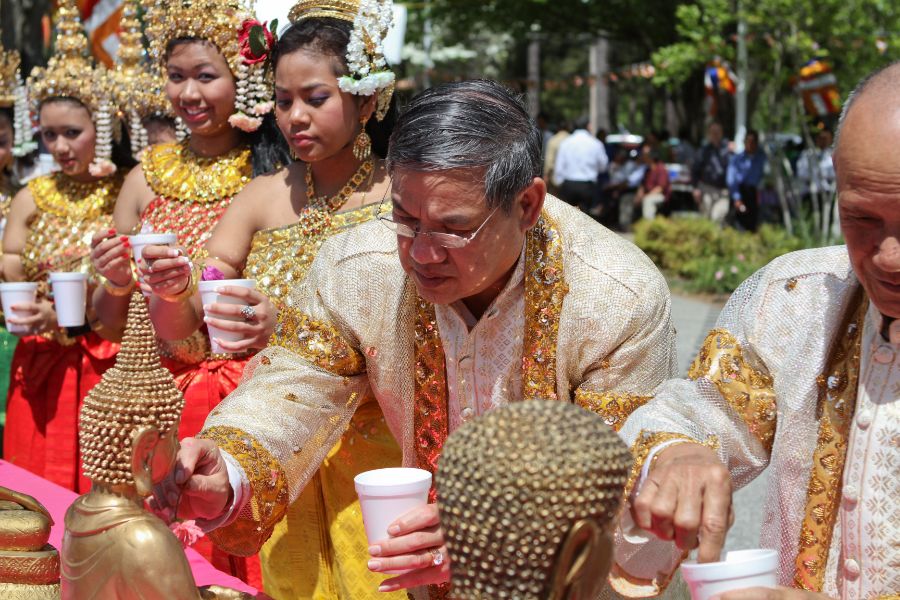
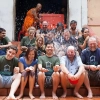
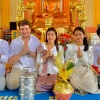
Traditional Buddha bathing ceremony during the holiday.
Unlike Chinese New Year or Western celebrations, Khmer New Year is quiet in the morning and lively in the afternoon. Families visit temples early to make offerings, build sand stupas, and bathe Buddha statues. By midday, the streets turn into a giant water fight that goes on until sundown.
Khmer New Year builds slowly across three days, each carrying its own mood.
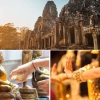
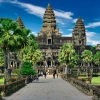
There is nowhere else in Cambodia quite like this during the holiday. Monks lead pre-dawn ceremonies inside temples that are over 900 years old, and the whole Angkor Archaeological Park stays open for families making offerings alongside visitors. If you want to go deeper into what makes Angkor special year-round, read our guide on exploring Angkor Wat - it covers what most people miss on a first visit.
One thing that makes Siem Reap special during Khmer New Year is the traditional games. These are not found at any other time of year. They are played on open streets, temple courtyards, and riverside parks across the city.
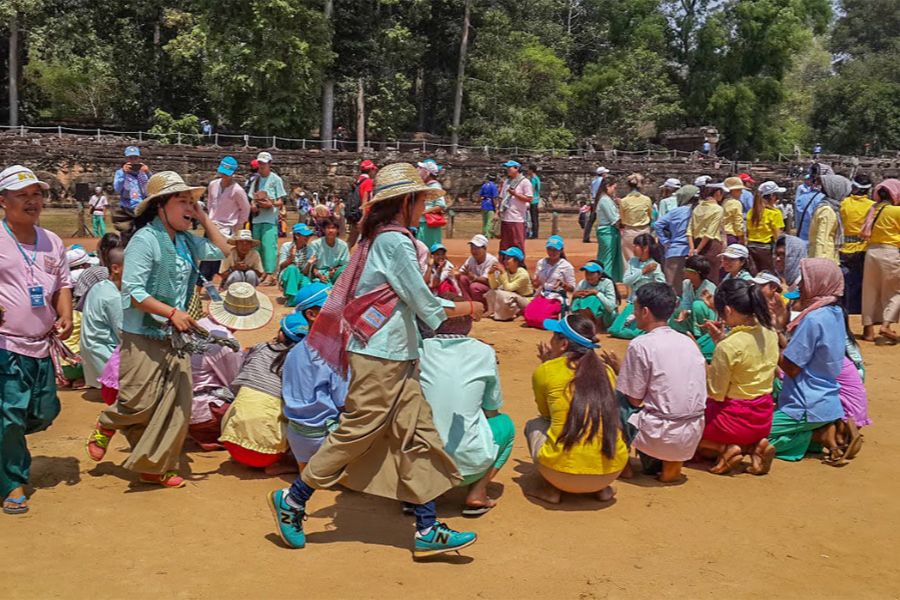
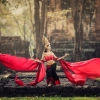
Locals enjoy playing traditional games at the festival.
The city feels transformed during Khmer New Year. Sivatha Boulevard and the Old Market area fill up with water stations, music, and dancing from midday onwards. Local families set up in front of their homes with buckets and hoses, and everyone on the street is fair game.
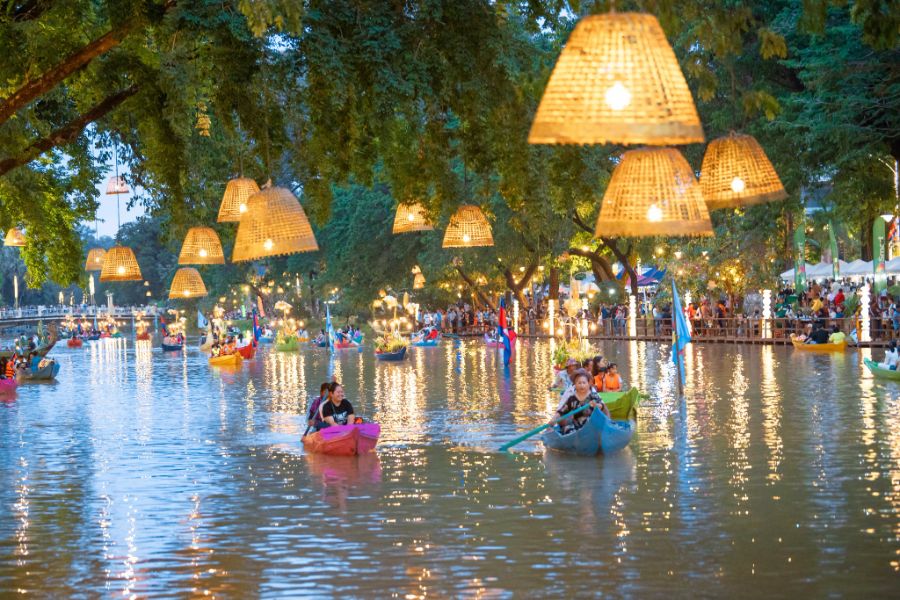
Beautiful glowing lanterns on the Siem Reap river.
At night, the Siem Reap River glows with lanterns and candlelight processions. Food vendors line every corner selling num banh chok (Khmer noodles), lok lak, and fresh coconut. The energy is warm, communal, and very different from what you find in bigger cities during the holidays.
Phnom Penh celebrates Khmer New Year with a different kind of energy. The city is bigger, busier, and more international than Siem Reap. The Sisowath Quay riverfront becomes the heart of the celebration - thousands of people gather here every afternoon for the biggest water fights in the country.
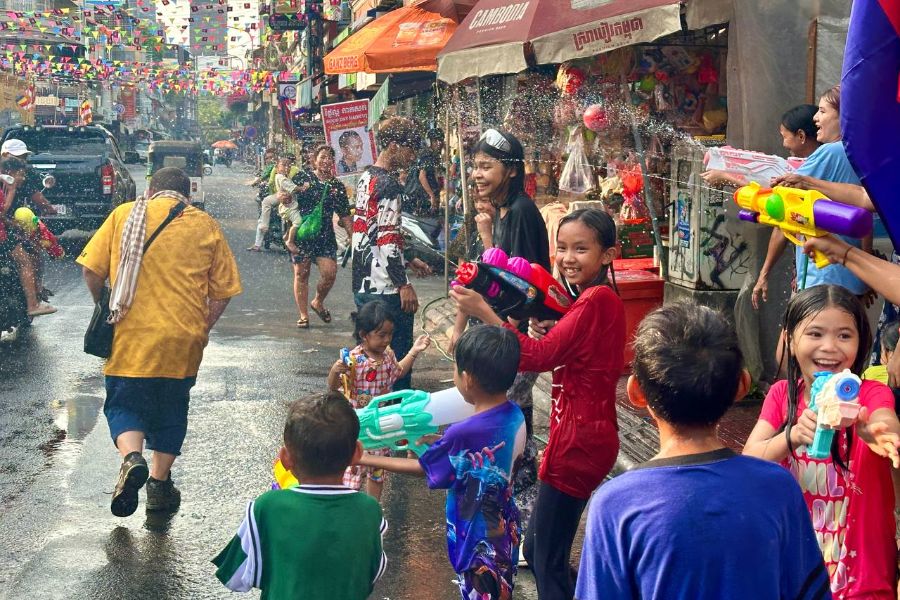
Children enjoying lively street water fights together.
Street concerts, pop-up food markets, and live DJ sets run from midday until late at night. The vibe is festive and modern, with a mix of locals, expats, and travelers all celebrating side by side. It is loud, fun, and genuinely exciting in a way that only a capital city can be.
Despite its modern energy, Phnom Penh takes its temple traditions seriously. The city's major wats hold full ceremonies across all three days of the holiday. Each has its own character and is worth visiting at a different time of day.
.jpg)
Glowing Naga decorations at Wat Phnom temple.
For a well-structured visit to the city, our Phnom Penh travel guide covers the key sites, local food spots, and how to pace your time without rushing.
Phnom Penh's food scene is already strong - Khmer New Year makes it better. Street stalls multiply overnight, and families cook dishes that only come out during the holiday.
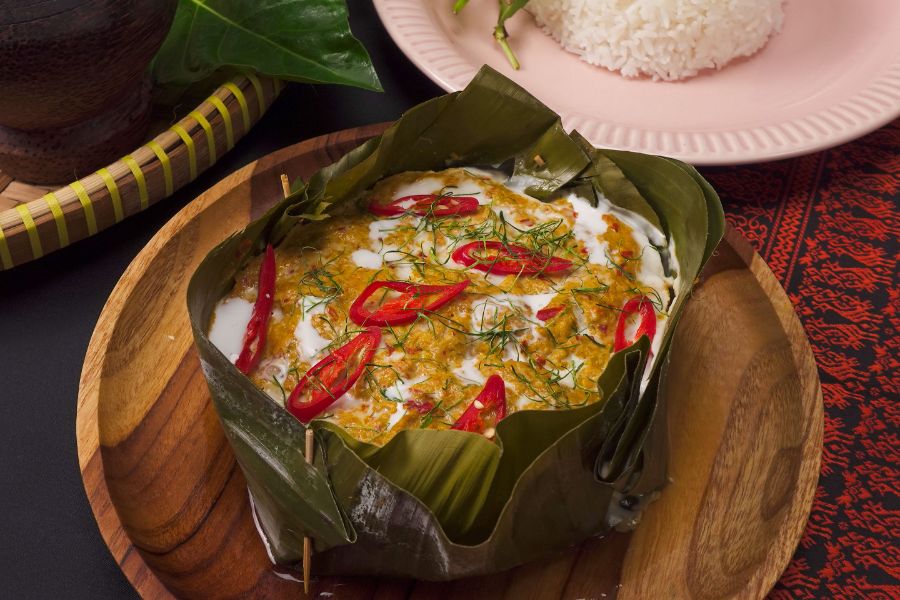
Traditional steamed fish curry in a banana leaf.
Siem Reap feels more traditional. The ancient temple setting, the community games, and the slower pace give the festival a depth that is harder to find in a big city. If you want to feel close to the roots of Khmer culture, Siem Reap is the answer.
Phnom Penh is authentic in a different way - it shows you how modern Cambodians celebrate today. The riverside energy, the food scene, and the temple ceremonies all feel real and unperformed. Neither city is 'more Khmer' than the other; they just show you different sides of the same tradition.
Phnom Penh is the stronger pick for first-timers. The city is easy to navigate, the festival schedule is simple to follow, and you get a solid introduction to Cambodian culture and daily life. It is a great base to start from before exploring more of the country.
Absolutely - and it is the best way to experience Khmer New Year fully. Fly into Phnom Penh, spend two to three days enjoying the riverfront celebrations and temple ceremonies, then head to Siem Reap for the Angkor experience and traditional games. Allow at least 7 to 9 days total for a comfortable trip that covers both cities.
Siem Reap and Phnom Penh both offer something special during Khmer New Year. Siem Reap gives you temples, tradition, and games that have been played for centuries. Phnom Penh gives you energy, great food, and a modern celebration that feels alive and real.
Ready to plan your Khmer New Year trip? Explore our Cambodia tours and let Asia King Travel handle every detail - from flights and hotels to festival itineraries made just for you.
If you want a deeper look at the history and meaning behind the festival before you arrive, our guide on Khmer New Year is a great place to start.