English
 French
 Spanish
 Italian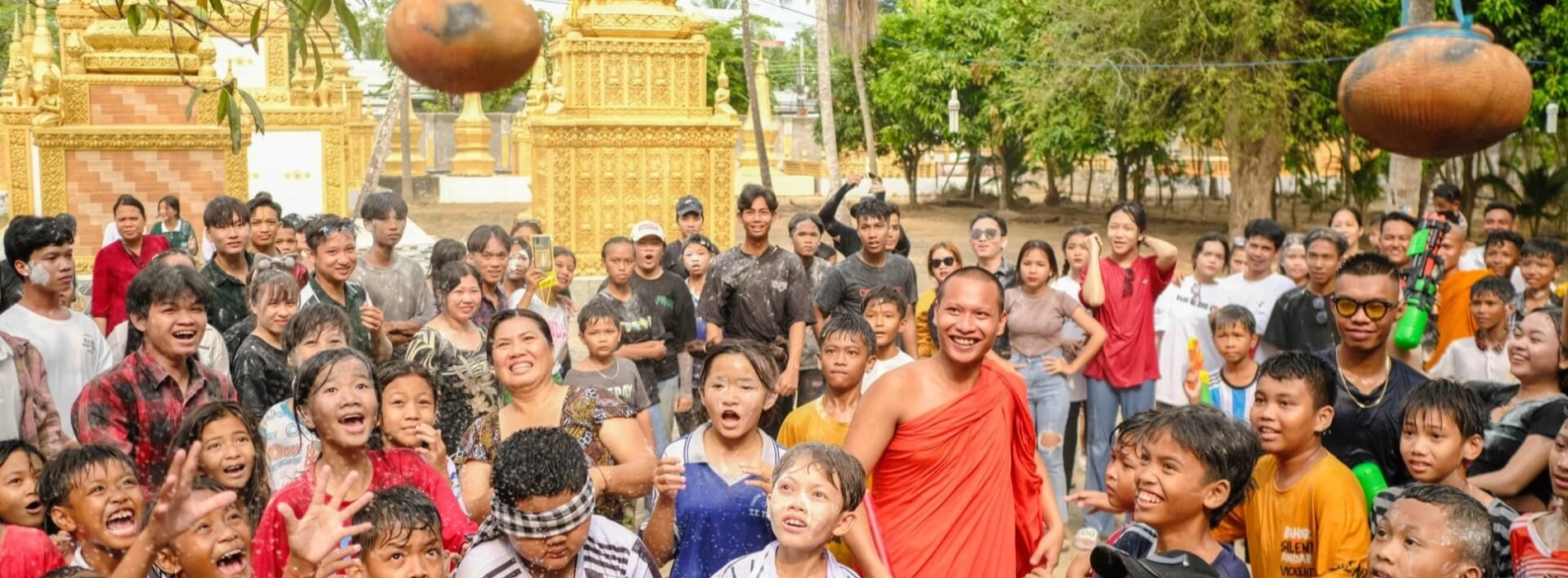
Khmer New Year, known as Chol Chnam Thmay, is the grandest celebration on Cambodia's calendar. Held every April, it fills the streets, temples, and family homes with music, water, and laughter. Knowing the key Khmer New Year dos and don'ts beforehand will help you take part with confidence and leave a good impression on the people you meet.
Khmer New Year signals the close of the harvest season and the coming of the rains. It typically falls on April 14, 15, and 16 each year, though it can run for four days in certain years. The festival draws from Buddhist values and puts family, community, and gratitude at the center of every activity. For Cambodians, this is far more than a long weekend; it is the most sacred and anticipated time on the entire yearly calendar.
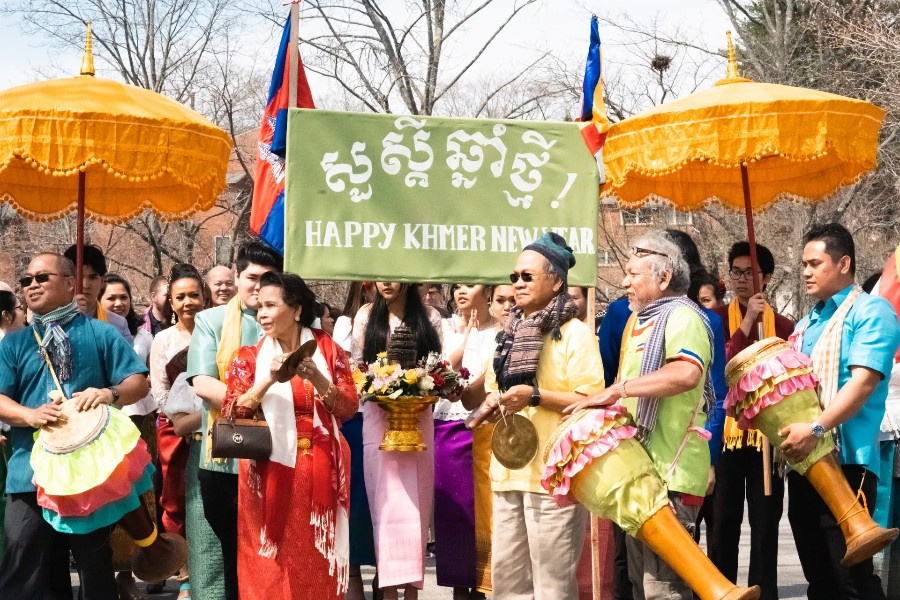
Vibrant traditional parade celebrating Khmer New Year.
Want to go deeper on the history and traditions? Read our full guide: Khmer Lunar New Year: All about Cambodia's Largest Festival
Temples are central to Khmer New Year, so dress with care before you visit. Tops should cover the shoulders, and bottoms should reach at least the knees. Thin cotton clothing is a smart pick - it is breathable in the mid-April heat while still being appropriate. Women in particular should keep a light scarf on hand to wrap around their shoulders or waist when stepping inside a pagoda.
Getting soaked is basically a requirement during Khmer New Year. The water splashing tradition represents a fresh start, washing away troubles from the past year and inviting good luck for the one ahead. Find a spot on a lively street, fill up a bucket or water gun, and join in without hesitation. Before you head out, seal your phone and valuables inside a waterproof pouch. Stick to quick-dry fabrics and leave your good shoes at home.
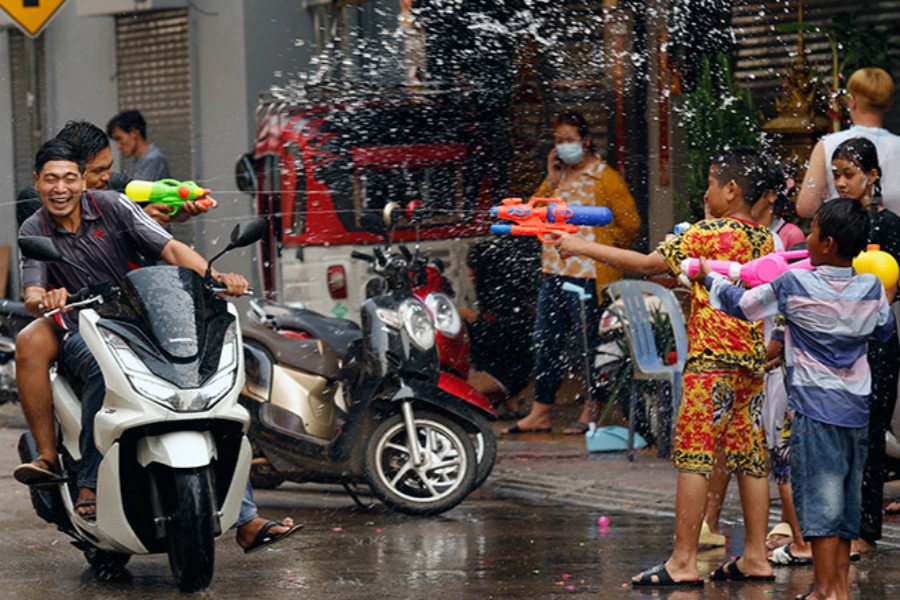
Water splashing street fights during the festival.
A trip to a local pagoda during the New Year is something you will not forget easily. Temples open their doors for free and extend their hours over the three days of celebration. Visitors can watch the Buddha bathing ceremony, observe monks receiving alms, and see families carefully build sand mounds in the courtyards. Move quietly, stay respectful, and take it all in, no tour guide needed.
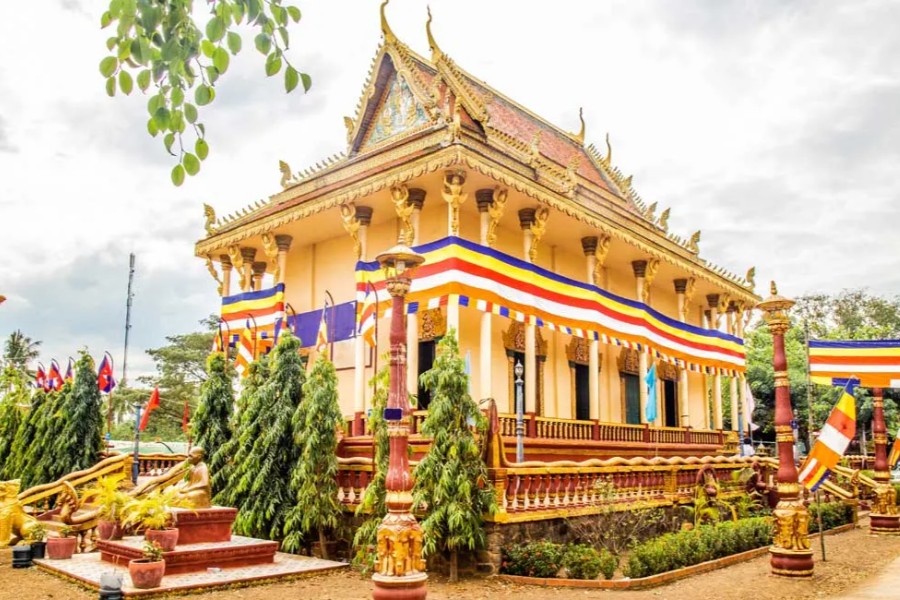
The local pagoda is beautifully decorated for Khmer New Year.
Certain dishes only appear during Chol Chnam Thmay, so use the chance to taste them while you can. Kralan is a standout - glutinous rice packed into a fresh bamboo tube and slow-roasted over open fire. Num Ansom, a banana-leaf parcel of sticky rice and coconut, is another festival staple. Look for these at outdoor markets, roadside stalls, and pop-up food stands near popular gathering spots.
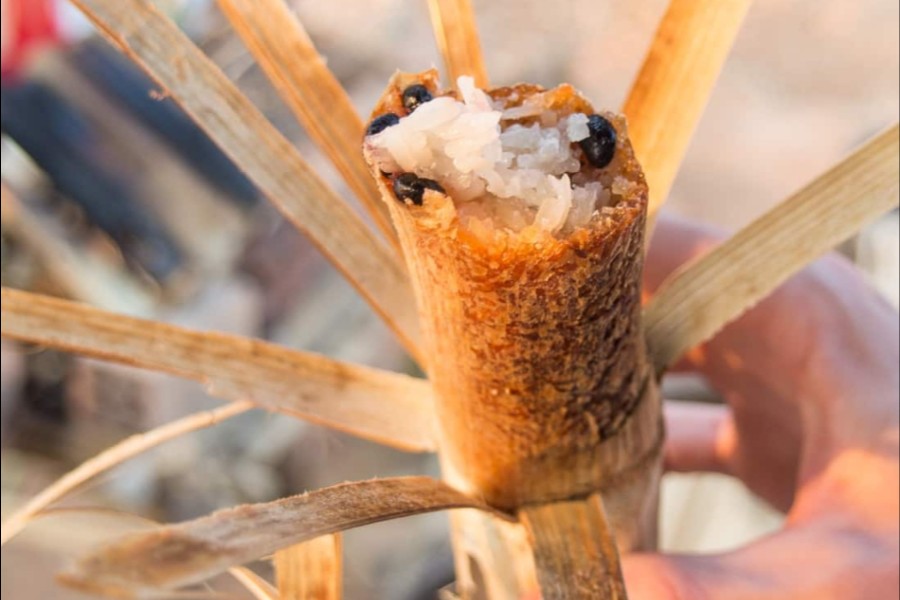
Kralan, a traditional bamboo sticky rice treat.
Curious about what else to eat? Check out: Explore the culinary of Chol Chnam Thmay
This phrase, pronounced roughly as "Chool ch-nam t’may", is how Cambodians wish each other a Happy New Year. Saying it to a local, even with a heavy foreign accent, will almost always be met with warmth and laughter. It signals that you made an effort to connect, and that small gesture can open up genuine conversations throughout your visit.
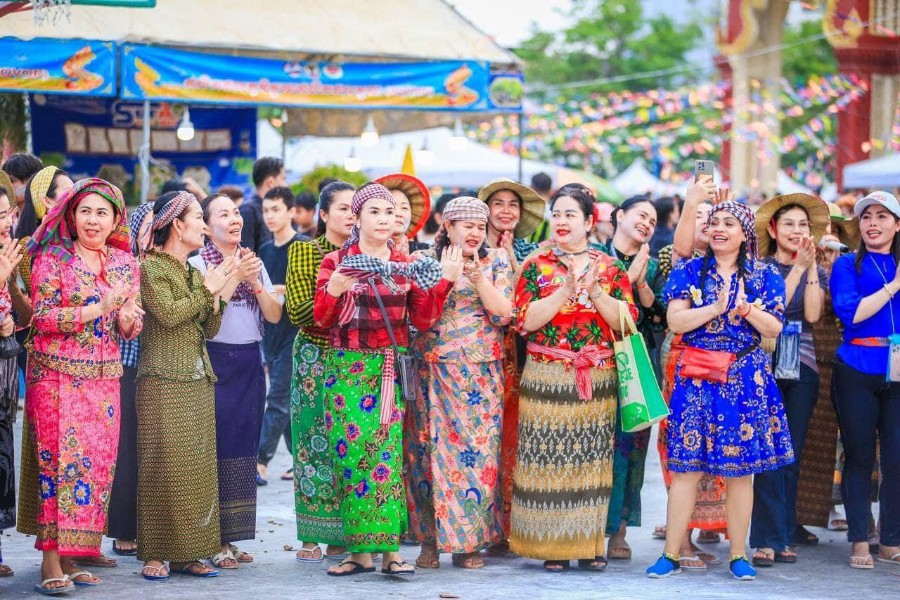
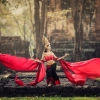
Women in colorful traditional dresses enjoying the festival.
Feet carry a specific cultural weight in Khmer society - they are seen as the lowest and least honorable part of the body. When sitting on the floor at a temple or inside a local home, tuck your feet to the side rather than letting them point toward others. Never angle the soles of your feet at a Buddha statue, a shrine, or an older family member. It is a small habit to pick up, but it shows a level of respect that Cambodians will notice and appreciate.
The urge to photograph everything during such a colorful festival is understandable, but hold back in certain situations. Always ask before pointing your camera at someone, especially during prayer or quiet ritual moments. Some pagodas do not allow photography inside their walls at all. A simple smile and a raised camera is usually question enough, and most people will respond warmly if they are comfortable.
The water fights are loud, fun, and hard to resist, but there are clear lines to respect. Monks, elderly people, and very young children should never be the target of a splash. The act of pouring water gently over Buddha statues and offering it to elders carries a sacred meaning that sits far apart from the street-level play. Watch how locals interact with one another and let their behavior be your guide.
In the courtyard of most pagodas, families spend hours shaping small mounds of sand during the New Year period. This practice, known as Puung Phnom Khsach, is a sincere act of devotion, believed to bring spiritual merit and blessings to those who take part. The sand structures are not decorations or props. Do not step on them, touch them, or use the area around them as a backdrop for photos. Pause for a moment to appreciate the care that went into building them before moving on.
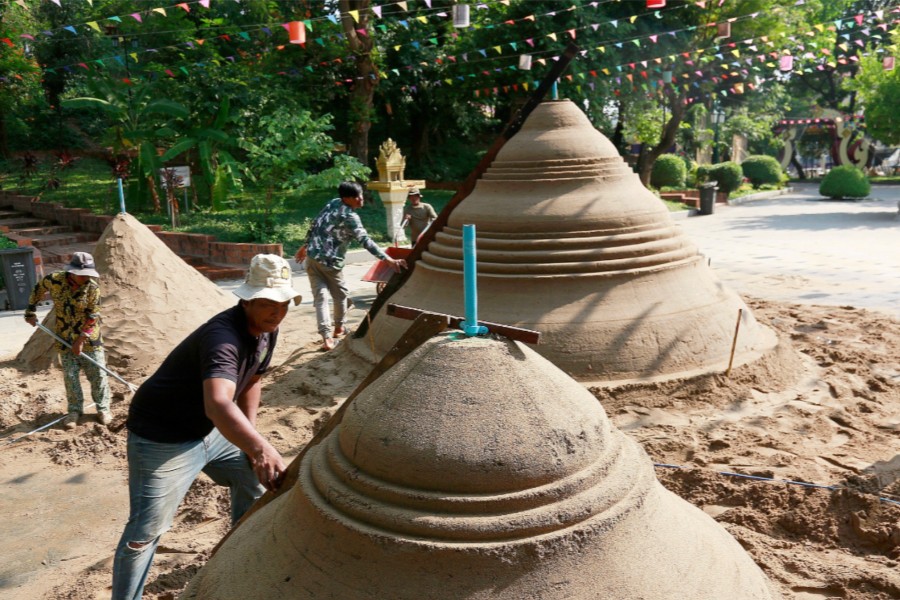
Building sacred sand mountains at a local pagoda.
When exactly is Khmer New Year celebrated?
The festival runs from April 14 to 16 in most years. It can occasionally stretch to a fourth day, depending on the traditional Khmer lunar calendar.
Is Khmer New Year a good time for first-time visitors to Cambodia?
It is actually one of the best times to visit. The energy is incredible and locals are eager to share their traditions. A little cultural awareness goes a long way in making the experience richer for everyone.
Where should I go to celebrate Khmer New Year?
Siem Reap and Phnom Penh host the largest and most vibrant events. If you prefer something more intimate and away from the tourist crowd, smaller provincial towns offer a more local and personal feel.
Find out more: Siem Reap vs Phnom Penh for Khmer New Year: Where to Go?
Khmer New Year is one of those rare festivals that stays with you long after the trip ends. The warmth of the people, the meaning behind the rituals, and the pure joy of the celebrations all come together into something genuinely special. Come prepared, stay curious, and treat every moment with the respect it deserves. Ready to experience Khmer New Year firsthand? Let Asia King Travel put together your perfect Cambodia itinerary today!
Related reading: The most attractive traditional games in Cambodian New Year