English
 French
 Spanish
 Italian
Northern Laos is best explored at a slower pace, combining Luang Prabang’s temples and cuisine with mountain villages, river journeys, and local markets. A trip through Luang Prabang, Nong Khiaw or Muang Ngoi offers a balanced introduction to the region’s nature, culture and people.
Northern Laos is ideal for a slower journey, where historic towns gradually give way to limestone mountains, quiet rivers and rural villages. Luang Prabang makes a natural starting point, while Nong Khiaw and Muang Ngoi offer a more peaceful side of the region.
.jpg)
Sunrise over the misty mountains and river valleys of Northern Laos.
As you travel north, the scenery changes with the route. You can take a boat along the Nam Ou, stop at local villages, try traditional Lao food and spend a few days outdoors without having to pack in too many attractions.
Luang Prabang is an easy place to settle into for a few days. You can spend the morning visiting temples, stop at a local market for lunch, and walk along the Mekong in the late afternoon when the streets become quieter.
The town is also a good base for exploring the surrounding countryside. Cooking classes, craft workshops and river trips provide a more hands-on introduction to local culture than sightseeing alone.
Explore further: Discover the sacred heritage of Luang Prabang with our 5-day Luang Prabang Tour
Nong Khiaw is a good choice when you want to trade city sightseeing for mountain scenery. The town sits beside the Nam Ou River, surrounded by limestone peaks, with hiking, kayaking and river trips available.
.jpg)
Nong Khiaw surrounded by limestone mountains and the Nam Ou River
The viewpoints can be steep, but the effort is worthwhile for wide views across the valley. The official Luang Prabang tourism guide recommends allowing at least a night here before continuing to Muang Ngoi.
Muang Ngoi feels considerably quieter than Luang Prabang. Reached by boat from Nong Khiaw, the small riverside settlement is suited to travelers who are happy to slow down for a day or two. Try spending the afternoon strolling through nearby villages, or simply sit by the Nam Ou River and enjoy a refreshing drink.
Further north, Luang Namtha is ideal destination for trekking in Northern Laos. Trails lead through forest landscapes and rural communities, including Khmu, Hmong, Akha and Tai Lue villages.
The Nam Ha protected area offers both day and overnight trekking, often combined with village homestays or kayaking. Luang Namtha works well as an extension if trekking is one of the main reasons you are coming to Northern Laos.
At dawn, the streets of Luang Prabang come alive with the Tak Bat alms-giving ceremony, held daily at around 5:30–6:30 AM from March to October and 6:00–7:00 AM from November to February. You will see processions of monks in saffron robes walking silently along the main streets to receive offerings, such as freshly prepared sticky rice, from local devotees.
.jpg)
Monk procession during the morning Tak Bat ceremony in Luang Prabang
Observe quietly from across the street, maintain a respectful distance, wear modest clothing covering your shoulders and knees, and avoid camera flash. Remember that Tak Bat is a living Buddhist tradition rather than a performance for visitors.
A river journey gives you a different view of rural Laos. On the Nam Ou, the route between Nong Khiaw and Muang Ngoi passes limestone mountains, small farms and riverside villages. Public boats and private charters are available depending on the route and season.
For a more relaxed experience, choose a private boat and avoid rushing from one destination to another. The scenery is part of the journey.
Trekking is one of the best ways to experience the northern landscape beyond the main tourist towns. In Luang Namtha, guided routes can include forest walks, village visits, meals with local families, and overnight stays.
Guided jungle trekking through the wild landscapes of Northern Laos
Using a local guide is essential. Tourism authorities note that earlier forms of untrained village trekking could have negative effects on local communities, so responsible, locally organized tours are the better choice.
Textiles are closely connected to identity across Northern Laos. Different communities use their own patterns, dyes, and weaving techniques, while basketry, embroidery and handmade paper are also common crafts.
Visit a village workshop or a reputable social enterprise where you can witness the production process firsthand. It makes the purchase more meaningful and gives you a better understanding of the work behind it.
You may also like: Spiritual Experiences in Laos: A Journey to Inner Peace
Visitors can explore Khmu villages via hiking trails around Luang Namtha and other rural areas. Rather than simply strolling through the village, you can ask a local guide to explain their farming methods, their forest-based lifestyle, and local customs. Some itineraries include homestay options, allowing you more time to experience and appreciate the community's pace of life at a leisurely tempo.
.jpg)
Traditional hand-woven textiles made by local artisans in Hmong villages
Hmong communities are found throughout the mountainous areas of northern Laos, where farming and traditional crafts remain part of everyday life. In some villages, you may see hand-embroidered clothing, woven textiles and small family-run workshops. If something catches your eye, ask the artisans about its patterns and how it was made before deciding what to take home.
Tai Lue communities are known for their traditional weaving, and Ban Na Yang is a good place to see the craft up close. Walk around the village, look inside the traditional wooden houses and watch local artisans work on their looms..
Sticky rice, or khao niew, appears on tables throughout Laos and is usually served in a small bamboo basket. Take a small portion with your fingers and roll it into a ball before eating it with grilled meat, vegetables, dips or larb. It is simple, filling and easy to find throughout Northern Laos.
.jpg)
Authentic Lao Larb, a savory minced meat salad with herbs
Larb is a traditional dish of Laos, which combines minced meat or fish with lime juice, herbs, chili, and toasted rice powder. The result is savory, tangy, and slightly spicy, with the toasted rice adding a subtle nutty aroma. Larb goes well with vegetables and warm sticky rice and is best served in local restaurants located on the riverbank.
If you want to try something different from the more familiar larb and sticky rice, look for or lam in Luang Prabang. This thick stew combines meat, vegetables and local herbs, creating a deeper and more earthy flavor than many of the lighter Lao dishes.
Northern Laos has its own version of khao soi, which is quite different from the creamy curry-based noodle soup associated with Northern Thailand. The Lao version is usually a lighter noodle dish with minced meat, tomatoes and herbs. It makes an easy lunch when exploring Luang Prabang's markets and old streets.
Lao New Year, or Pi Mai Lao, is celebrated in April. Luang Prabang combines religious ceremonies with public celebrations, so travelers can experience both the quieter traditions around temples and the much livelier water festivities in the streets.
.jpg)
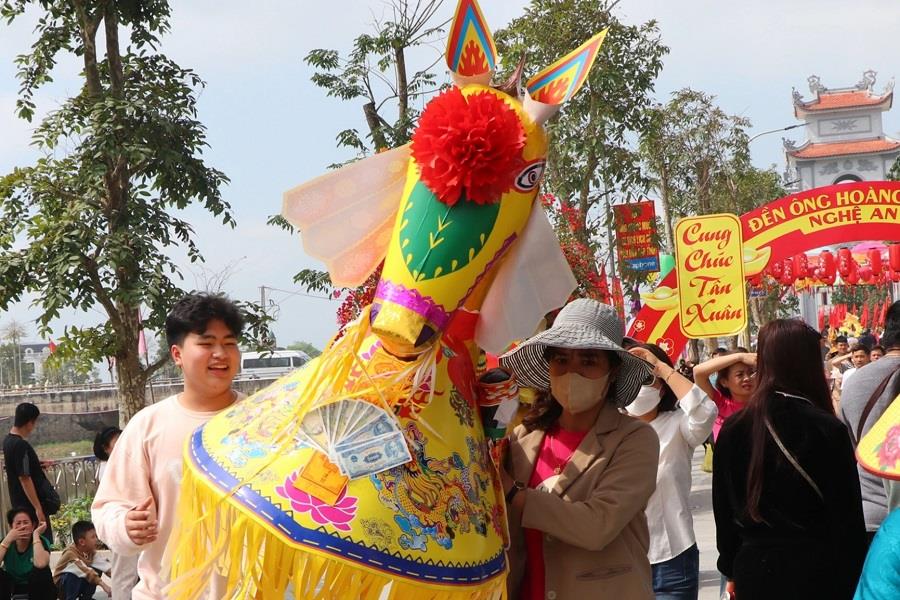
Festive Lao New Year street parade during the Pi Mai celebrations
If you visit during Pi Mai, protect your phone and camera with a waterproof bag and expect busy roads and crowds around the main celebration areas.
Sayaboury is known for its connection with elephants and for traditional Tai Lue weaving communities. The province is home to the country's largest elephant population and has long combined cultural activities with elephant-related conservation efforts.
Festival dates can change, so check the latest local schedule before planning a trip around the event.
November to February is generally the most comfortable period for cooler, drier weather. Laos has a rainy season from May to October, while the dry season runs from November to April.
The railway has significantly reduced travel times across northern and central Laos, with the Lao section running from Boten through Luang Namtha and Luang Prabang toward Vientiane.
Attraction fees vary by site and can change. Carry some Lao kip because smaller attractions and rural areas may not accept cards.
For a 7-day trip, start in Luang Prabang to explore its temples, local markets and Mekong riverside, then travel north to Pak Ou Caves, Nong Khiaw and Muang Ngoi by road and river. Along the way, leave time for a short village trek, a visit to Khmu and Tai Lue communities, and a boat journey along the Nam Ou River before returning to Luang Prabang.
.jpg)
Exploring lush waterfalls along the classic 7-day Northern Laos route
This route follows the highlights of Asia King Travel’s North Laos Tour 7 Days: Best of Nam Ou River, making it a practical option for travelers who prefer to have transport, accommodation and local experiences arranged in advance.
Explore North Laos with Tour 7 Days: Best of Nam Ou River
Seven days is enough for a first introduction, especially with Luang Prabang, Nong Khiaw and Muang Ngoi. If you want to add Luang Namtha, trekking or longer river journeys, allow 9–12 days so the trip does not become a series of long transfers.
Laos is reputed to be one of the safest and friendliest countries in Southeast Asia. The local population is generally respectful, peaceful, and very hospitable. To avoid problems, however, tourists should take the usual precautions to guard their valuables while visiting night markets and wear sturdy shoes for often challenging mountain hikes.
Pack light, breathable clothing, comfortable walking shoes and a modest outfit for temples. A light jacket is useful during cooler mornings from November to February, while rain protection is essential during the wet season. A reusable water bottle, insect repellent and a small dry bag are also practical.
Most international tourists can acquire a 30-day Visa on Arrival at one of the several international airports (Luang Prabang, Vientiane). Alternatively, e-Visas can be applied for beforehand, thus shortening the time taken to cross borders.
Northern Laos is best suited to travelers who have time to slow down and enjoy the route between destinations. From Luang Prabang's temples and markets to the riverside villages of Nong Khiaw and Muang Ngoi, the journey offers a quieter side of Laos shaped by nature, food and local life.
If you are planning your first trip to Laos, explore our Laos Tours for ideas on different routes and travel styles. You can also contact Asia King Travel to tailor an itinerary around your preferred pace, interests and travel dates.