English
 French
 Spanish
 Italian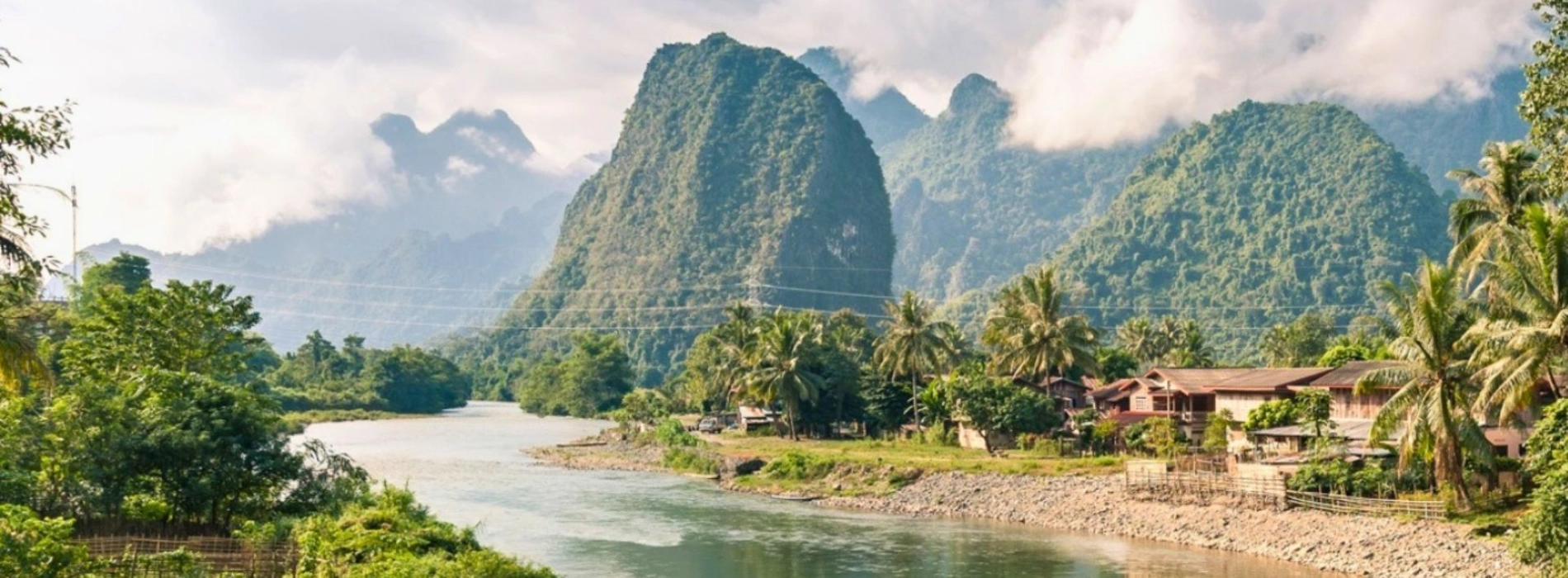
Planning day trips from Luang Prabang? The old town is beautiful, but the real character of northern Laos hides in the villages just outside the city. Within an hour by road or boat, you can reach Luang Prabang villages where weaving, farming, and traditional ceremonies still shape daily life. This guide covers the most rewarding options, with practical notes on how to get there, what to expect, and when to go.
Luang Prabang earned its UNESCO listing for good reason. The temples, the morning alms-giving, and the night market along Sisavangvong Road are genuinely worth your time. But after two or three days, many travelers notice that the town has quietly become a well-managed tourism product.
.jpg)
Day trips from Luang Prabang are well worth trying
The villages nearby have not. Roads remain unpaved in places. Children still run toward strangers with curiosity rather than sales pitches. Families spread rice to dry on bamboo mats in front of their homes. A half-day away from the guesthouses can reframe the entire trip.
Ban Xang Hai sits on the south bank of the Mekong, roughly 25 kilometers upstream from Luang Prabang. It is best known for lao-lao rice whisky production, where small family stills operate openly, and tastings are part of the visit. The village is modest in size, but the boat journey itself is a large part of the appeal.
.jpg)
Day trips from Luang Prabang offer a slow and distinctly Lao vibe
For day trips from Luang Prabang, most visitors combine Ban Xang Hai with a stop at the Pak Ou Caves, a pair of limestone caves packed with thousands of Buddha statues. Boats leave from the pier near the Royal Palace Museum, and the return trip typically takes about two hours total on the water.
How to get there:
Best time to go: Morning departure, before midday heat settles on the water.
Ban Phanom is one of the closest Luang Prabang villages to the city center, sitting about 4 kilometers east along the Nam Khan River. It is a Lue ethnic community with a centuries-old tradition of hand-loom silk and cotton weaving.
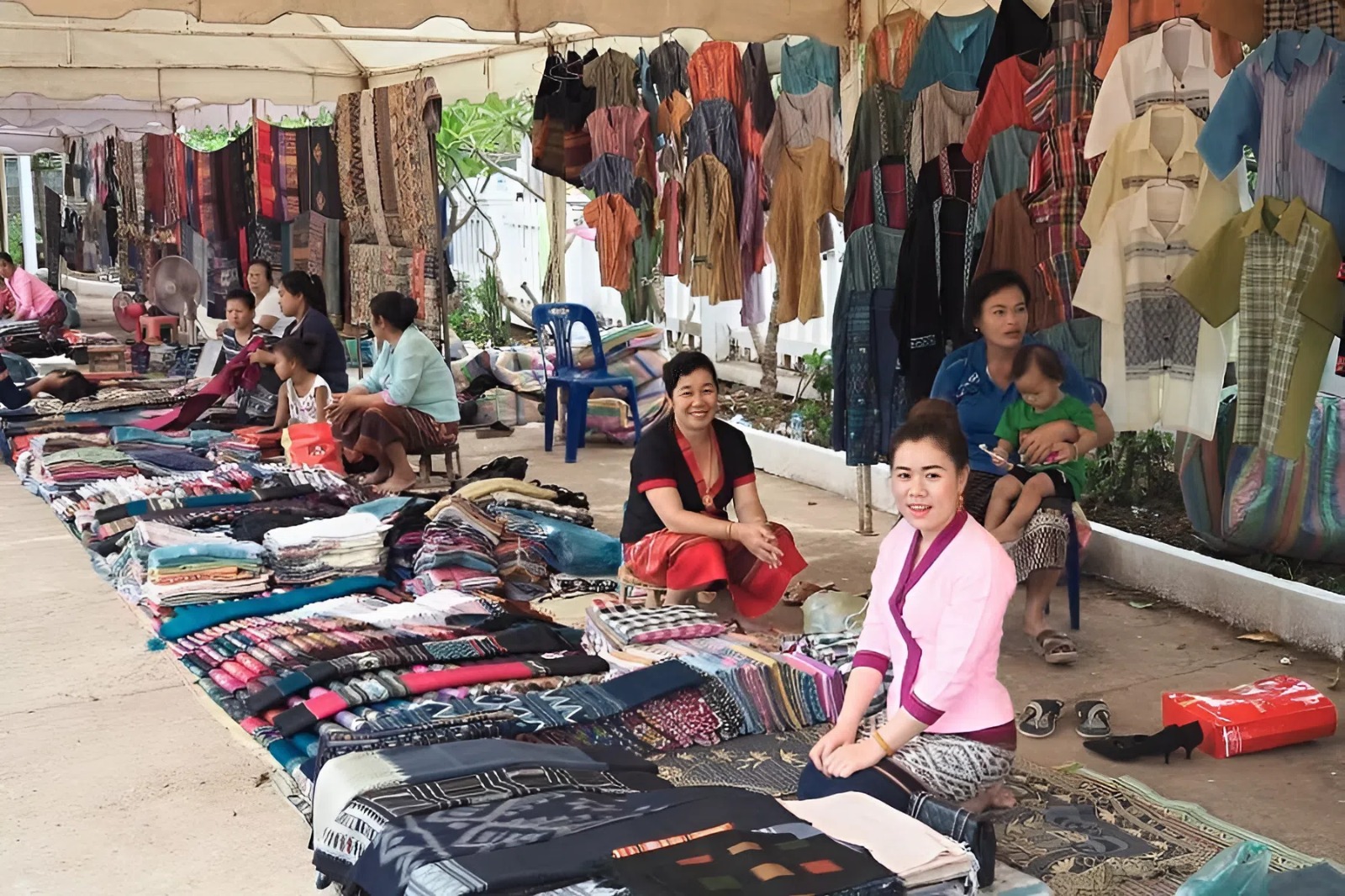
Many Laos tours include day trips from Luang Prabang in their itineraries, and for good reason
Stalls along the main lane sell finished textiles, but the more interesting part is watching the looms operate inside family homes. Unlike the night market in town, the prices here tend to reflect actual production cost. A simple cotton scarf runs around 50,000–80,000 LAK; silk pieces are considerably more.
How to get there:
Practical note: Arrive before 10 a.m. if you want to see active weaving. By late morning, many weavers take a break from the heat.
Most visitors to Kuang Si Falls know the waterfall. Fewer stop in the Khmu villages of Ban Thapene and Ban Pha Phok, which sit just before the falls entrance on the road from Luang Prabang. These are small agricultural communities where families grow sticky rice and tend livestock.
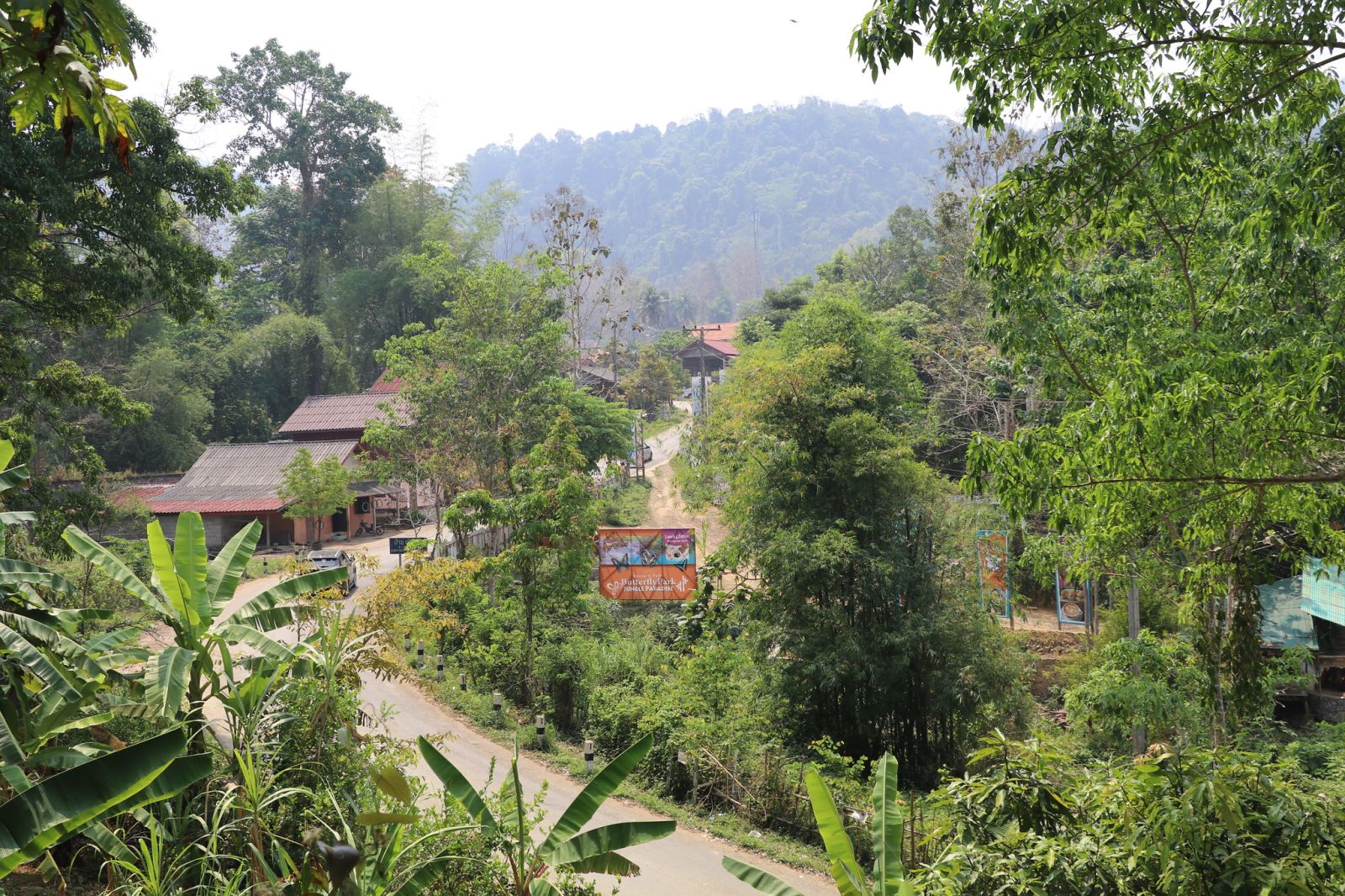
Don’t miss out on day trips from Luang Prabang as part of your Laos experience
The Tat Kuang Si Bears Rescue Centre is also located here, a facility that rehabilitates Asiatic black bears rescued from illegal wildlife trade. Entry is included with the waterfall admission fee, which stands at 20,000 LAK for foreign visitors.
How to get there:
Best time to go: Weekdays before 9 a.m., when the waterfall trail is quieter, and the light through the forest is exceptional.
North of Luang Prabang, toward the Nam Ou River, several Hmong and Khmu communities welcome visitors on organized half-day tours. The most reputable options are run through locally based tour operators who pay fair visit fees directly to village committees rather than to outside agencies.
(10).jpg)
Find the perfect day trips from Luang Prabang to suit your travel style
These villages offer a different visual experience from the Mekong communities. You’ll encounter hillside agriculture, embroidered textiles in dark indigo and red, and, in some cases, traditional herbal medicine preparation.
How to get there:
Village visits in northern Laos are quiet by design. There are no organized shows, no scheduled demonstrations at fixed times. What you encounter depends on when you arrive and what the community is doing that day.
(10).jpg)
Plan carefully to make your day trips from Luang Prabang as rewarding as possible
Weaving happens in the cooler morning hours. Rice planting and harvesting follow seasonal calendars. During Lao New Year in mid-April, village ceremonies are genuinely accessible to respectful visitors.
A few principles that experienced travelers recommend:
The dry season from November through February offers the most comfortable conditions. Temperatures stay between 15°C and 28°C, roads are passable, and the Mekong runs clear enough to see the limestone riverbed in the shallows.
(9).jpg)
Day trips from Luang Prabang are best enjoyed during the dry season
March and April are hotter, and haze from agricultural burning can reduce visibility, but village life is active, and accommodation prices are lower. The rainy season from May through October brings lush green landscapes and fewer tourists, though some village roads become difficult for vehicles, and river levels affect boat schedules.
For the morning alms-giving ritual in riverside villages, arrive by 6 a.m. and stand back from the procession. This is a daily religious practice, not a performance.
How far are the nearest villages from Luang Prabang?
Ban Phanom, the weaving village, is only 4 kilometers from the city center and reachable by bicycle in about 30 minutes. Ban Xang Hai on the Mekong is roughly 25 kilometers upstream and best reached by boat. Most worthwhile villages fall within a 45-kilometer radius of Luang Prabang, making them practical half-day trips without rushing.
You may also like: Luang Prabang Bolaven Plateau Tour 8 Days - Nature and Heritage
Do I need a guide to visit Luang Prabang villages?
For Ban Phanom and the Kuang Si waterfall villages, no guide is necessary. For more remote Hmong and Khmu communities north of the city, a local guide is strongly recommended. Not for safety, but because road signage is sparse, village protocols vary, and a good guide ensures your visit benefits the community rather than creating confusion.
(7).jpg)
You can take day trips from Luang Prabang even without a guide
Is it appropriate to visit ethnic minority villages as a tourist?
Yes, with care. The key distinction is between visits that benefit the community and those that treat it as a display. Choose operators who pay visit fees directly to village councils, buy from local vendors, ask permission before photographing, and follow any dress or behavior guidelines given at the entrance. Villages in this region have been receiving visitors for decades, and most communities have clear, sensible expectations.
What currency should I bring for day trips from Luang Prabang?
Lao kip (LAK) is preferable in all villages. Small denominations work best for buying snacks, textiles, or paying for a tuk-tuk return. While some boat operators near Luang Prabang accept Thai baht, village vendors typically do not. ATMs are available in central Luang Prabang, and it is worth withdrawing enough before departure.
Day trips from Luang Prabang offer some of the most honest travel experiences in Southeast Asia. Whether you follow the Mekong upstream to the whisky village, rent a bicycle to the weaving community at Ban Phanom, or join a guided trip into the hills, the contrast with the tourist center of town is immediate and worthwhile.
Still thinking things through? Let’s discover all the options for the northern Laos adventure of your dream!