English
 French
 Spanish
 Italian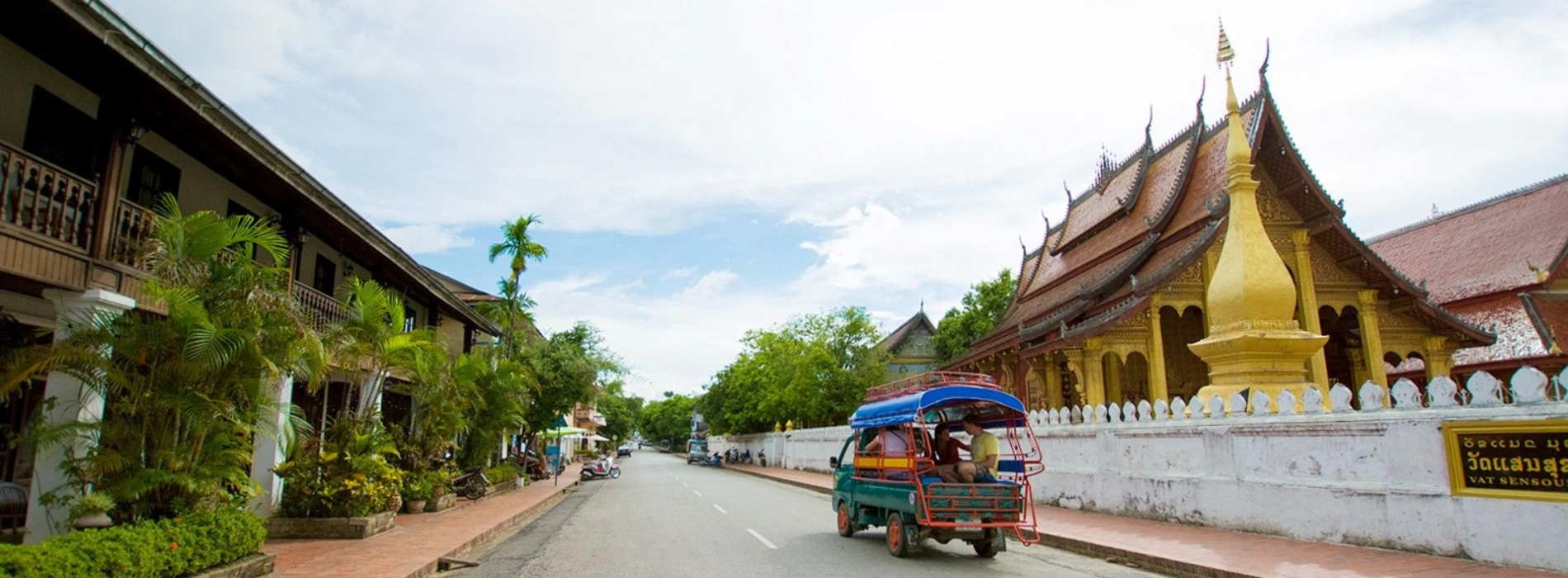
Visiting Southeast Asia in April? Don't miss Lao New Year 2026, or Boun Pi May, the most fascinating and culturally significant time to visit Laos. The three-day fete (tends to last longer in practice) is the traditional New Year and mingles sacred Buddhist rituals with joyful celebration. Stand ready for street water fights, parades with feathered headdresses, temple rituals, and excellent cuisine.

Laos New Year 2026
Lao New Year 2026, or Boun Pi May, is Laos' biggest celebration. It is the New Year, closing of the old and beginning of the new, according to the traditional Buddhist calendar dates. Rowdy in mid-April, the celebration is strongly religious but also festive, colorful, and water sports-filled. It is a cleansing, renewal, and blessing festival for the new year. Water is in the middle, representing purification and good fortune. Temples all over Laos are filled with worshipers offering prayers and bathing Buddha images in scented water.

Boun Pi May
Locals also clean their homes and accrue merit for deceased family members, expecting prosperity and good fortune. But this isn't just a religious ceremony but rather a country-wide fiesta in full bloom. Lao New Year 2026 is celebratory and religious at the same time, with ceremonial rituals commingled with village revelry, procession, and partying. This is one of the best chances to see for yourself Laos culture, tradition, hospitality, and ardor.
In 2026, the UNESCO World Heritage city of Luang Prabang officially extended its Pi Mai festival to a full 10 days, from April 11 to 20, packed with cultural events designed to welcome both local and international visitors.
The foundation of the Lao New Year lies in an old Southeast Asian tradition that is linked to agriculture and the Buddhist religion. Boun Pi May is not only celebrated in Laos but also in parts of Thailand, Cambodia, and Myanmar. The festival falls at the end of the dry season and the start of the monsoon, which is critical for rice farming. This periodic change is associated with fertility and rebirth, hence the purification ceremonies. Buddhist elements took over later on, particularly the cleansing of Buddha images as well as temple visits.

The origin of Laos New Year
Myths of Lao folklore also influence the celebration, especially the story of Thammaban Khoun Bap, who was defeated by the goddess Nang Sangkaan. Each day of the festival honors a different daughter of this god. While the religious essence of Boun Pi May is still intact, the festival has evolved into a cultural phenomenon. Laos New Year 2026 continues this rich tradition, blending myth, history, religion, and community spirit.
Lao New Year 2026 is more than a party; it's an entry point to the heart of Laotian life. For more than just sightseers, Boun Pi May means real culture, real connection, and unforgettable fun. The merge of spiritual ritual and street-level celebration is unlike any other New Year's party on the planet. You’ll see monks and locals sharing space with tourists, all smiling and splashing water in the heat of April.

Reasons you should celebrate the Lao New Year 2026
Also, you will get a taste of traditional foods not found on typical restaurant menus, and you'll learn what matters most to the Laotian people: family, community, and rebirth. It's also one of the only times when being a guest means being part of the celebration.
Lao New Year 2026 is widely celebrated throughout the country, yet the most festive and tourist-related ones are seen in Luang Prabang, Vientiane, Pakse, and Savannakhet. All the cities possess a special local flavor, yet Luang Prabang typically forms the core of the festival. This World Heritage town has religious ceremonies as well as joyous parades, building of sand stupas, and street water fights.

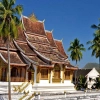
Luang Prabang, Laos
The capital, Vientiane, hosts big public festivals, music and food stalls, and crowds in temple courtyards and public squares. Small villages and towns participate in local customs, temple excursions, and reunions. Wherever you happen to be in Laos at the New Year, you'll find yourself surrounded by the festive atmosphere. Streets turn into battlefields for innocent water battles, temples are full of life, and the aroma of incense and barbecued meat fills the air.
Read more: Bunpimay Festival: Laos' Rich Traditions
There's no shortage of things to do during the Lao New Year 2026. Start with the traditional: visit temples like Wat Xieng Thong in Luang Prabang or Wat Si Saket in Vientiane. Participate in the sacred washing of Buddha images, where people pour perfumed water over statues to receive blessings. You can also participate with locals in building sand stupas by riverbanks, a symbolic practice that's both fun and meaningful.

Water fights during the event
Then, of course, there are the water fights. Not subtle showers, but all-out battles using buckets, hoses, and water pistols. All in good spirits and intended to wash away bad luck. Parades, cultural performances, and traditional dance are also highlights, especially in Luang Prabang. Don't miss the Nang Sangkaan procession, where residents march with statues and offerings down the streets. For a more intensive experience, join communal feasts or volunteer efforts.
Food plays a significant role in the Lao New Year 2026, and there is a delicious way to soak up the culture. Families prepare complex dishes and offer them to relatives, neighbors, and even visitors. Sticky rice (khao niao) is a certainty, normally served with grilled meats, spicy papaya salad (tam mak hoong), and a selection of fresh herbs. A feature dish during this time is laap, a minced meat salad that symbolizes good fortune and prosperity.

Spicy papaya salad - Tam Mak Hoong
Homemade fermented fish sauces and chili dips give flavor to each meal, and fruits like mangoes and watermelons bring relief from the April heat. Desserts like khao tom (sticky rice wrapped in banana leaves) and nam wan (sweet coconut-based drink with jellies) are also offered during the celebrations. Food is not only fuel during New Year Laos 2026 but a way to connect with people, to feel generosity, and to taste the country's heart and soul.
There are so many ways visitors can enjoy Lao New Year 2026, depending on what kind of traveler you are. If you're a culture buff, go to the big temples and join the ritual parts of the celebration, like making merit, giving alms to monks, or helping to construct sand stupas. If you like socializing and fun, prepare for the huge water fights that fill streets in cities and towns. Don't be surprised to get wet just walking outside. It's all part of the charm.
Here are some of the Lao New Year 2026 exclusives you can look forward to:
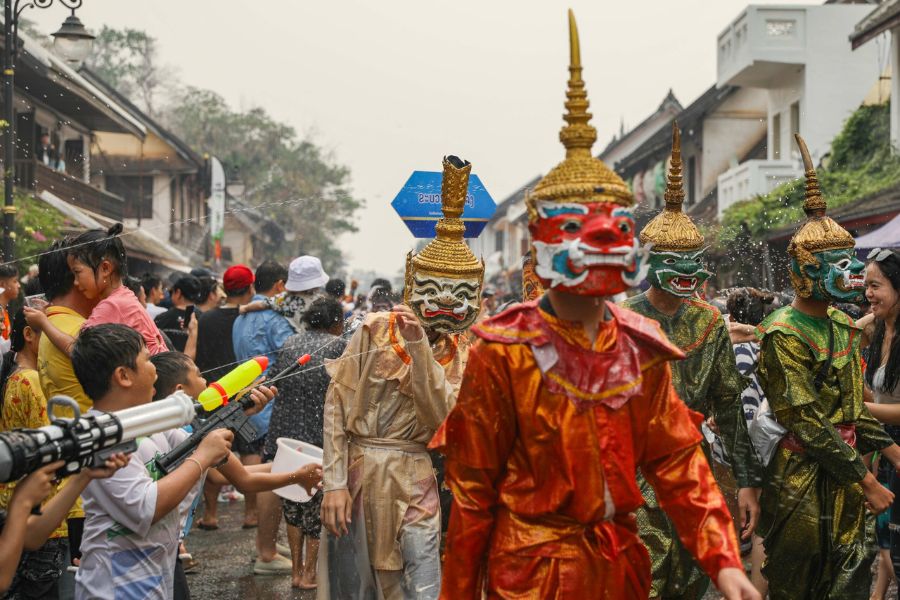
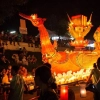
Experience the combination of colorful festivals and water fights
For photo enthusiasts, Luang Prabang parades and flower-covered processions offer colorful displays. Various special events are also organized by most hotels and guesthouses, from traditional dance shows to cooking lessons on Lao New Year dishes. You can even join local village festivals if you are lodging in rural houses. If you are religious, social, or an adventurer at heart, Boun Pi May is an offbeat cultural experience. All you need to do is bring along your curiosity, sunscreen, and an extra set of clothes.
Lao New Year 2026 is not only a celebration, but it's an experience rich in meaning, tradition, and adventure. From the spiritual ceremonies to the rowdy water battles, from the delicious Lao food to the picturesque scenery, Boun Pi May has something for every visitor. To ensure the best possible trip, travel with a trusted local guide. Asia King Travel offers personalized tours that are designed to allow you to experience New Year Lao 2026 as best as you can.
Read more: Lao, Cambodian, Thai New Year: Similarities and Differences