English
 French
 Spanish
 Italian
With the right Vietnam travel tips, people prepare themselves for a trip by making plans, and good planners will think about things that others avoid contemplating, like delays, sick travelers, or sudden changes in weather. Traveling in Vietnam is about more than simply moving fast: so, let’s see some advice for travelers: trust us, you need it.
Creating an itinerary that helps you travel while absorbing your surroundings is what most visitors neglect. Many visitors travel from location to location, often within a few days. To see a bunch of attractions, tourists race to check off attractions, treating Vietnam like a list. This results in more than just late nights and constant packups. The distance between locations looks short on paper. Vietnam's unique landmass and structure often result in lengthy travel times.
Travel time in Vietnam stretches because of:
A 3-hour transfer can easily take 5. Locals plan with this in mind, and usually don’t plan travel days back to back.
Cycle comfort and connection over efficiency. Time is not a conquerable resource. It stretches and compresses based on the day.
Daily life often includes:
This mindset is noticeable in small towns and big cities. Visitors often try to impose rigid schedules on flexible days, which is what causes friction. When they adapt, things soften.
The changes that happen when you take things slowly can happen rather quickly. Staying put in one place offers you the ability to:
A shift in mentality happens just as when you measure a trip by visiting, which is the number of places you visited. You measure the trip by a sense of familiarity. You stop navigating and start belonging.
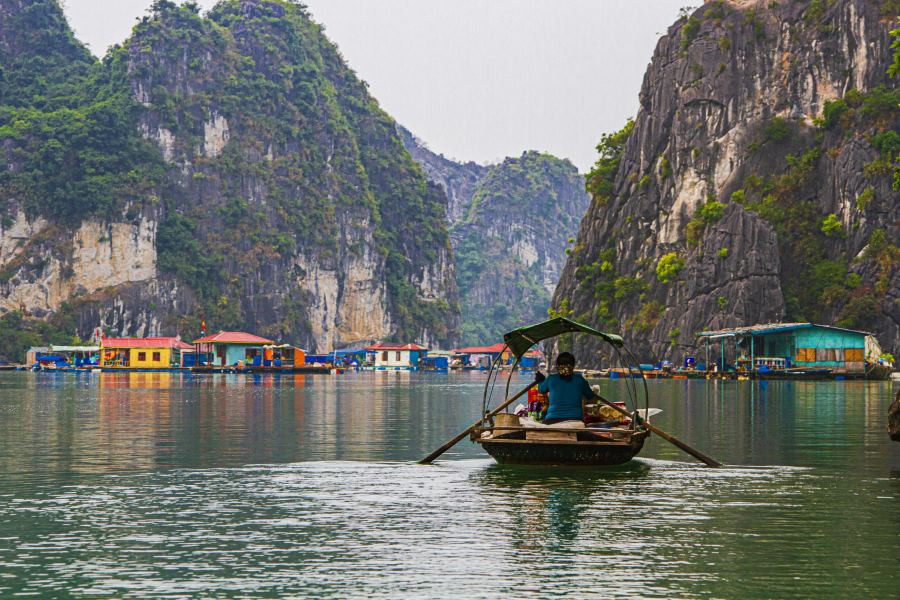
Halong Bay - Vietnam Travel Tips
A number of visitors' street food in Vietnam is unsafe. This is the case, since locals eat from street food places and vendors, sometimes two or three times a day. The difference is not luck. It is a street food observation.
Busy street food stalls with:
It's normal to see a basic, open kitchen and less than a pristine setup. The cleaner the place is, the less efficient it is.
.jpg)
Vietnam Street Food - Vietnam Travel Tips
Common mistakes tourists make include:
In Vietnam, some of the greatest food experiences occur on the street. While in some of the world's greatest cities restaurants may be higher-end, a large part of the experience in Vietnam is food prepared and/or made in front of you. This is a major part of the Vietnamese lifestyle, and one of the best meals in Vietnam can be made at a simple street vendor.
Like most places in the world, Vietnam has its own regulations and laws. While in some countries, traffic laws may not be enforced, in Vietnam, they are, in a unique way.
Vehicles continually flow in the streets, and the sounds of honking serve as a way to alert others of your arrival. Newcomers may believe this is a way to inform others of an incoming accident, but they are told otherwise. While it may look messy, it is an effective way to travel without the use of an individual controlling the vehicle directly.
While it may be overwhelming, this is the same logic that has been used today and will most likely be used in the future. In most countries, vehicles are required to come to a complete stop at a traffic light, but in Vietnam, this is not the case. While some may look at this as a failure of the system, the traffic flows without a halt and will not stop for a light; it will slow down to a crawl. If you are to cross the street, do not surprise others by abruptly stopping in the middle of the street.
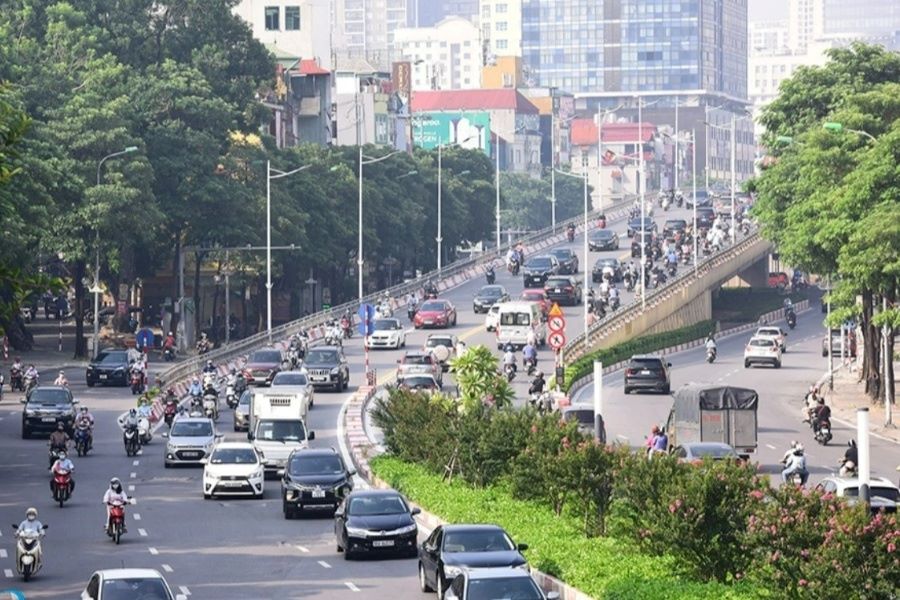
Vietnam Travel Tips
The most intense places include:
When these Vietnam travel tips are understood, the fear begins to fade. You stop resisting the system and START to flow with it.
The Vietnamese appreciate polite, quiet, day-to-day, small acts that are civil.
Things that locals appreciate that are often missed by visitors:
In quiet rural areas and in most temples, showing overt modesty is respectful. It is appreciated when shoulders and knees are covered, but it is not enforced aggressively.
Most visitors are not used to miscommunication and often expect immediate understanding. People who talk slowly, use gestures, and are patient often get understood and are treated with warmth.
Despite the widespread use of digital payment systems, Vietnam is still a cash economy, especially outside of tourist areas. One of the most important Vietnam travel tips is to always carry enough local currency with you. Locals use cash for street food, small cafes, markets, transport, informal services, and more.
Travelers are often surprised to learn that cash is king. They may encounter vendors that cannot break large bills, ATMs that lack cash, and card readers that are down. Unsurprisingly, rural areas also have little banking infrastructure.
Most locals carry small bills and denominations, and pay cash. This avoids awkward moments when payments are needed. It keeps mini-transactions to a minimum and gives everyone peace of mind.
Tourist itineraries often have similar highlights. These are well-known for a reason, but are just a fraction of the offering. Among the most practical Vietnam travel tips is to balance iconic sights with a few off-the-beaten-path destinations.
The mountain regions, smaller towns, farming communities, and lesser-known provinces show most of Vietnam’s diversity, and where visitors typically have slower, more authentic, and deeper experiences.
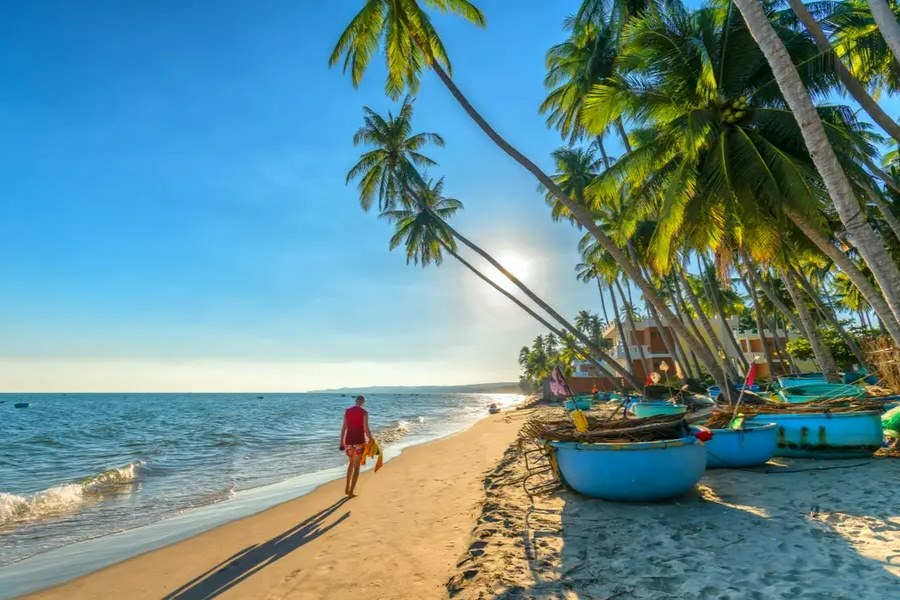
Beach in Vietnam - Vietnam Travel Tips
Tourism has not yet reached many areas in Vietnam. This allows for a more genuine experience that feels less like a performance. Many locals hope that travelers see this side of the country, not for novelty, but to show how diverse the country is.
Vietnam is hot and humid and is currently experiencing the monsoon season. Due to these extreme weather conditions, daily life is altered and tailored to these conditions, more than likely, more than anticipated by visitors.
Locals adapt by:
Visitors often do not adapt to the weather.
Common challenges include:
Planning with flexibility helps:
Vietnam is a place where the weather is not a hurdle to peg.
Vietnam is full of opportunities if the visitors are not in a rush to take in everything at once. Visitors are likely to form beautiful and lasting memories if they engage and adapt intently to their surroundings.
Traveling like a guest means:
When visitors follow these Vietnam travel tips, Vietnam truly transforms. Every day moments become impactful and significant. The trip goes beyond just geographical coverage and becomes a journey where the most important aspect is the social and emotional connections.
That’s when Vietnam leaves a lasting mark – not as a destination checked off a list, but as a place that taught you how to slow down and appreciate the world around you.