English
 French
 Spanish
 Italian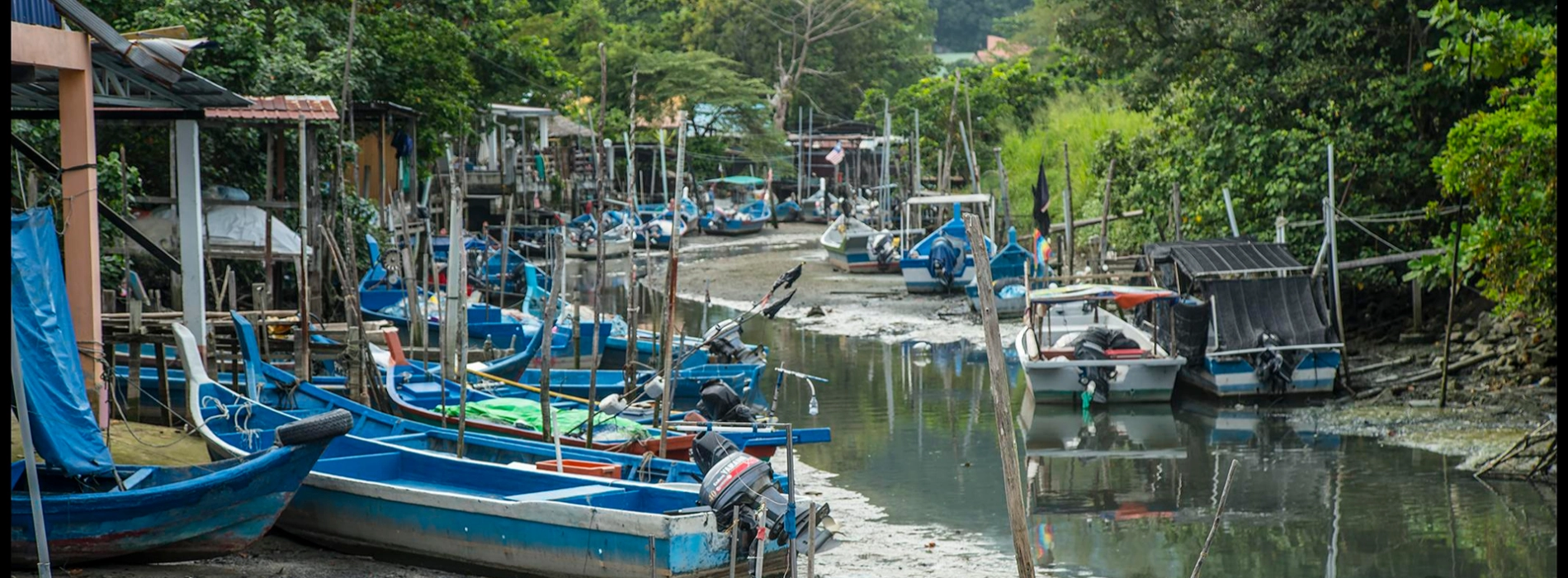
Malaysia is known for modern cities, tropical islands, and diverse cultures. But it also has a rich coastal heritage that many people overlook.
Along the shores of the South China Sea, many fishing villages survive. More villages survive along the Strait of Malacca, others are near the waters around Borneo. They still preserve a unique way of life shaped by the sea.
Visiting traditional fishing villages in Malaysia lets travelers meet local communities. They can taste fresh seafood, learn fishing methods, and enjoy a slower side of life.
Located near Port Klang, Selangor, Pulau Ketam is one of the most famous traditional fishing villages in Malaysia. The village name means “Crab Island” in Malay, reflecting its long connection with seafood and coastal life.
Pulau Ketam is built mostly on stilts above the water. It gives visitors a look at a unique floating village life. Wooden houses, narrow walkways, fishing boats, and seafood restaurants create a calm atmosphere. It feels very different from nearby Kuala Lumpur.
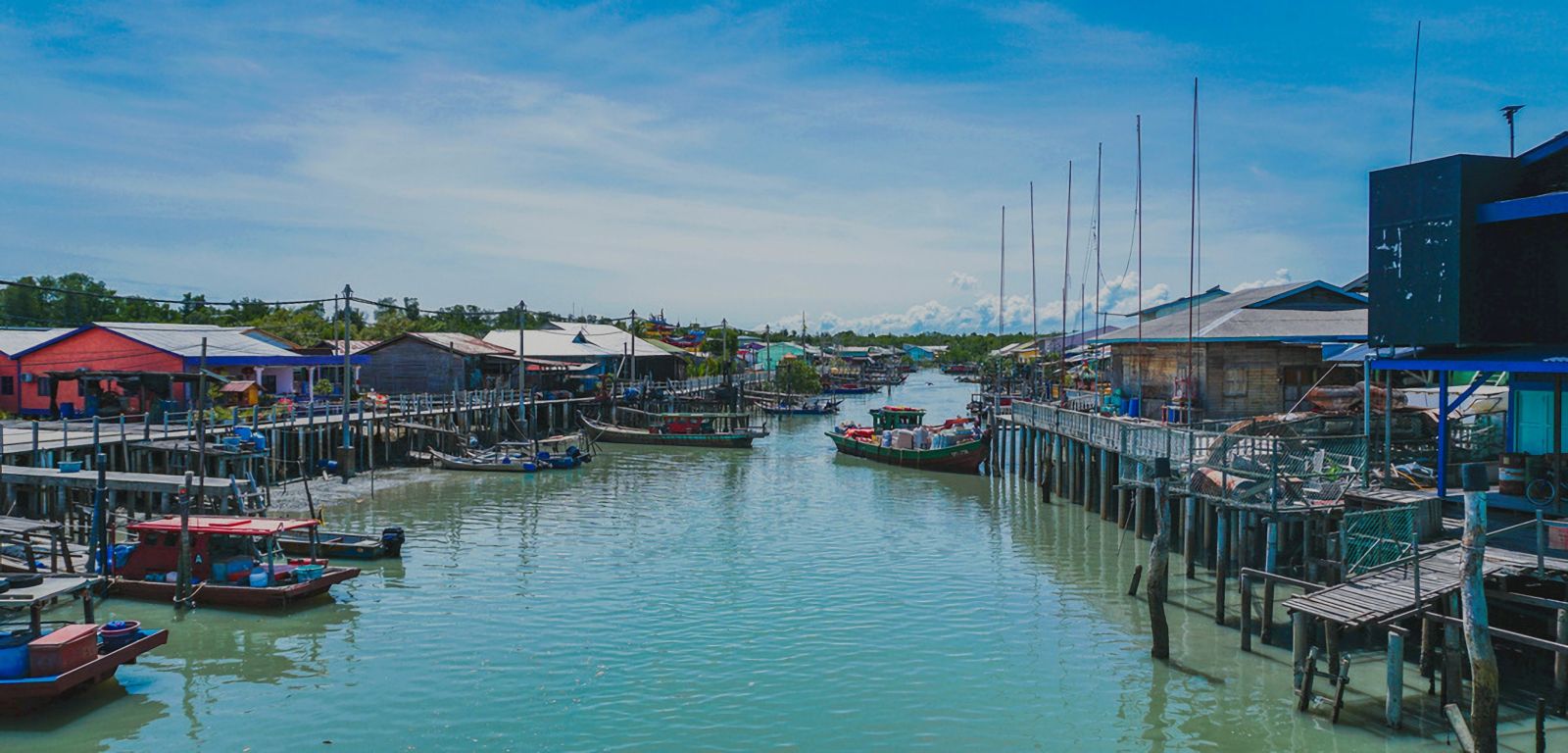
Pulau Ketam Fishing Village
Fishing remains an important part of daily life here. Many local families have fished for generations. They use traditional knowledge to navigate nearby waters. They catch seafood like crabs, prawns, and fish.
Visitors can explore the village by bicycle or on foot. They can visit small temples.
They can watch fishermen repair nets. They can enjoy fresh seafood dishes at local restaurants. The island is also famous for its traditional Chinese-Malaysian culture. This makes it a fascinating destination for travelers interested in heritage and local communities.
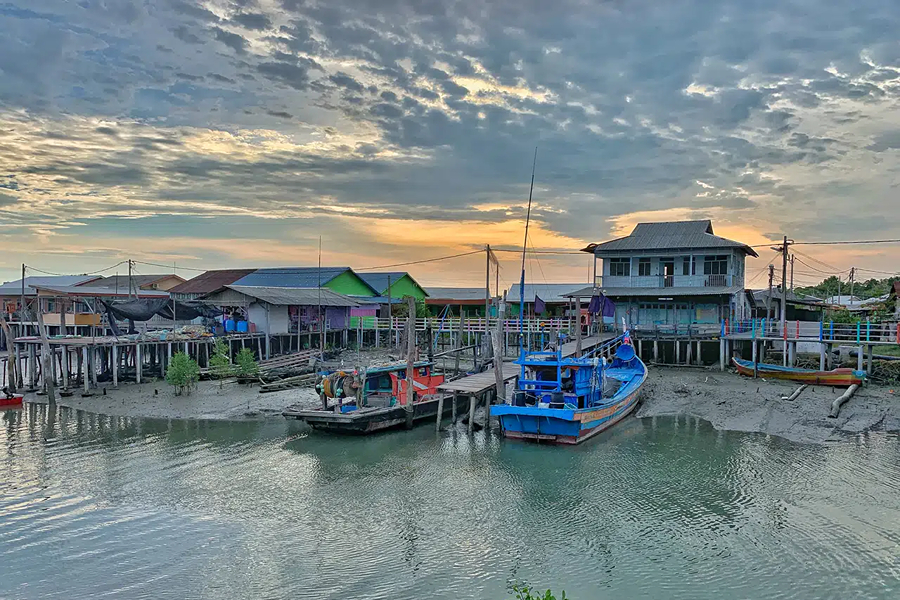
Pulau Ketam Fishing Village
Located near Taiping in Perak, Kuala Sepetang is a historic fishing village surrounded by mangrove forests and coastal wetlands. The village is well known for its traditional fishing industry and strong connection with nature.
For generations, local fishermen have depended on the rich waters around Kuala Sepetang. Visitors can watch fishing boats return with the daily catch. They can learn about traditional methods used by coastal communities.
One of the highlights of visiting Kuala Sepetang is exploring its famous seafood culture. Local restaurants serve fresh prawns, fish, squid, and other seafood caught from nearby waters. The village is also home to one of Malaysia’s oldest charcoal factories. People there still use traditional charcoal-making methods with mangrove wood.
Nature lovers can mix a village visit with a mangrove tour. They can explore unique ecosystems and watch wildlife, like birds and sea creatures. Kuala Sepetang offers a perfect combination of traditional fishing culture and environmental experiences.
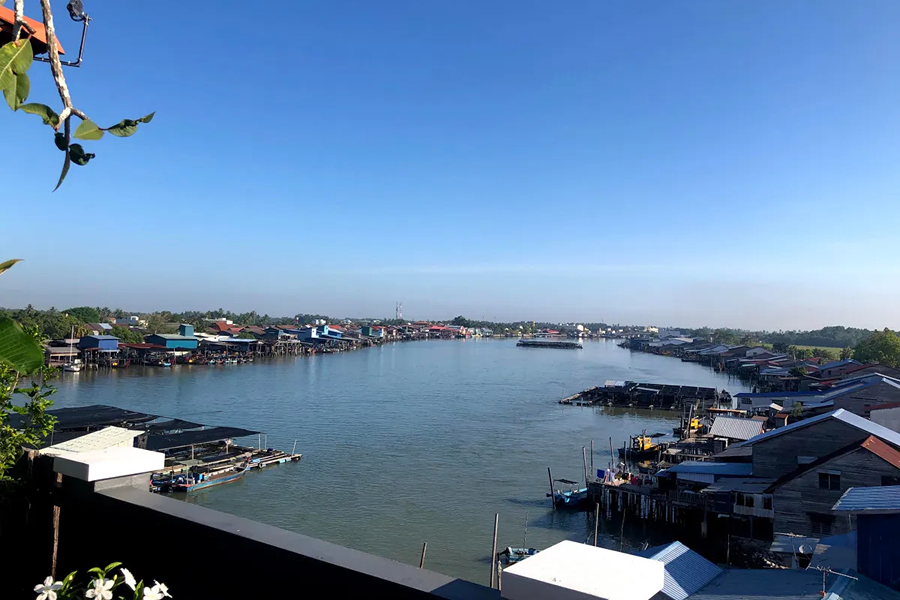
Kuala Sepetang Fishing Village
Located along the coast of Kedah, Tanjung Dawai is a charming fishing village known for its seafood products and traditional coastal lifestyle. The village faces the beautiful waters of the Straits of Malacca and has long been an important fishing community.
The sea closely connects to the daily rhythm of Tanjung Dawai. Fishermen leave early in the morning and return with fresh catches that supply local markets and restaurants.
The village is famous for dried seafood products, like dried anchovies and shrimp paste. These are popular in Malaysian cuisine. Visitors can explore local shops, watch traditional seafood processing, and try authentic flavors from the region.
Tanjung Dawai is a popular stop for travelers. Many also visit nearby places like Merbok and Langkawi Island. Its relaxed atmosphere makes it an ideal destination for those who want to experience everyday Malaysian coastal life.
(3).jpg)
Tanjung Dawai Fishing Village
Located on the east coast of Sabah, Semporna is famous as the gateway to some of Malaysia’s most beautiful islands, but it is also home to fascinating traditional fishing communities.
Local communities have built many villages around Semporna over the water, reflecting their deep relationship with the sea. Some communities, including Bajau Laut villages, have developed unique maritime traditions and lifestyles connected to fishing and boat-building.
You may also like: Malaysian Street Art in the 21st Century
Visitors can see a different side of Sabah. They can explore wooden stilt houses, traditional boats, and local markets. The markets sell fresh seafood. The surrounding waters are among the richest marine environments in Malaysia, supporting generations of fishing communities.
You can combine a visit to Semporna’s fishing villages with island trips, snorkeling, and diving. It creates a journey that blends natural beauty with cultural discovery.
.jpg)
Semporna Island, Malaysia
Although Mabul Island is internationally known for diving, it is also home to traditional fishing communities that have lived along the coastline for generations.
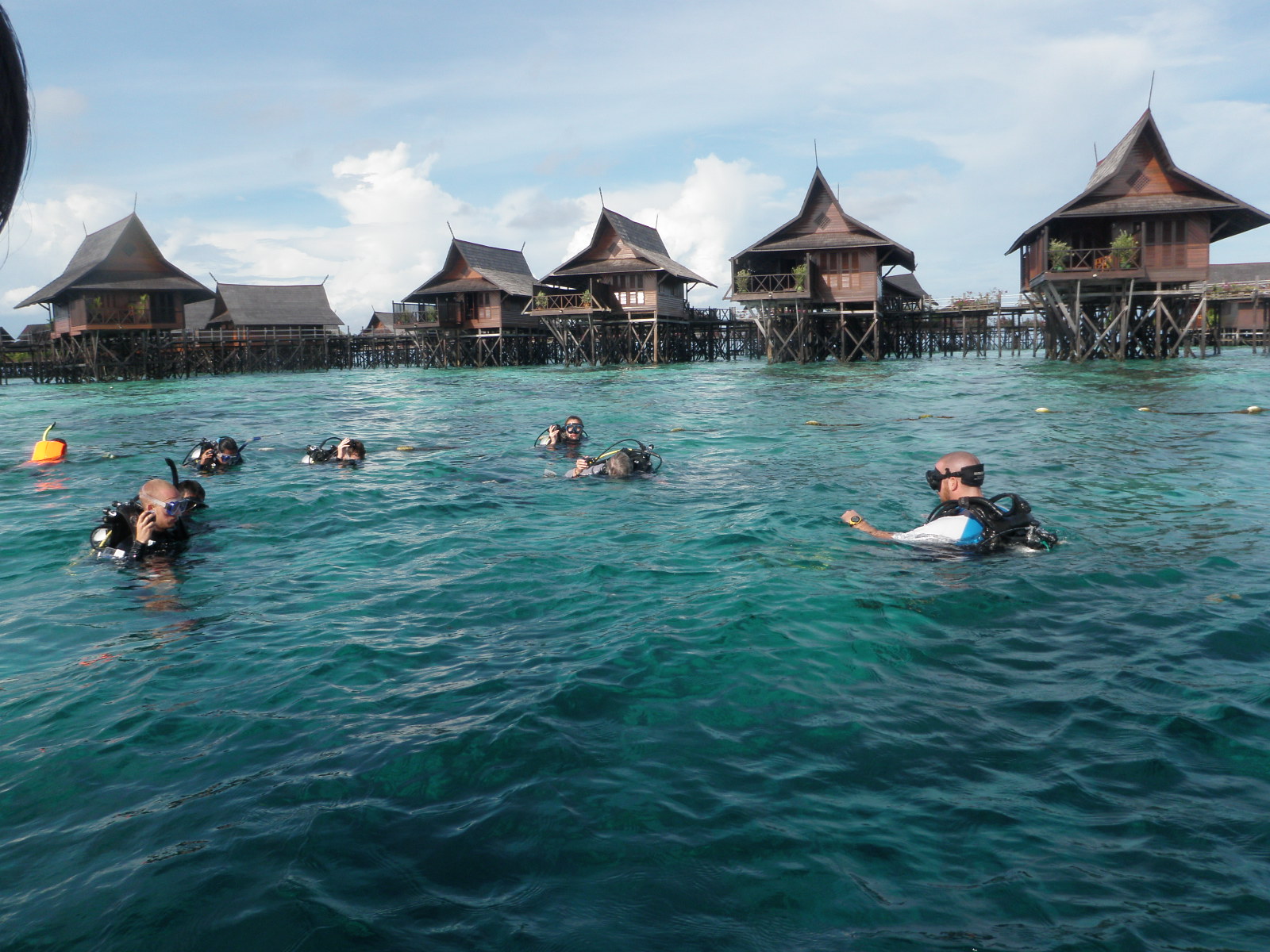
Diving activities for tourists around Mabul Island
Before tourism became popular, fishing was the main source of income for many local families. Today, visitors can still see traditional boats. They can watch fishermen prepare their equipment. Village life continues alongside the island’s tourism industry.
Walking through the village provides an opportunity to understand the daily routines of coastal communities. Travelers can see simple wooden houses, meet local residents, and experience the peaceful atmosphere of island life.
Mabul offers a unique mix of local culture and marine adventure. It is a great destination for travelers who want more than beaches and diving.
You may also like: Malaysia Tour 17 Days: Explore Malaysia Panorama
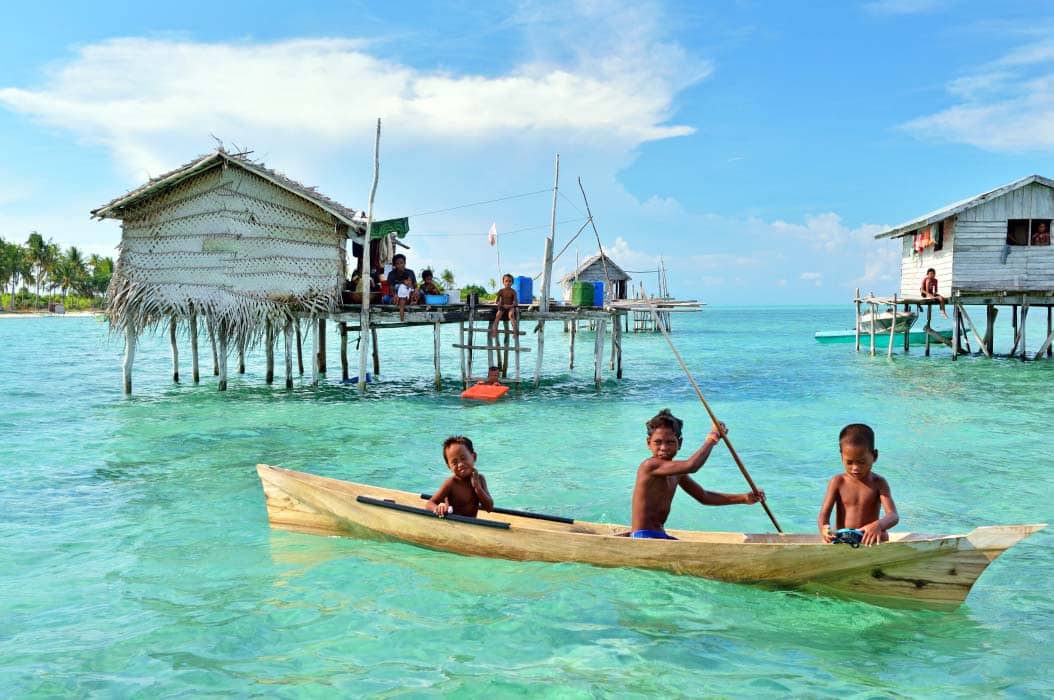
Three children are having fun rowing a boat around a fishing village in Mabul
Fishing has always played an important role in Malaysia’s history and economy. With thousands of kilometers of coastline, rivers, and islands, many communities have developed lifestyles closely connected to the water.
Traditional Malaysian fishermen often use knowledge passed down through generations, including understanding tides, weather patterns, and marine environments. Small wooden boats, fishing nets, and traditional seafood preparation methods remain important parts of coastal culture.
Food is another important element of Malaysian fishing villages. Fresh seafood dishes such as grilled fish, prawns, squid, and local specialties reflect the connection between the ocean and Malaysian cuisine.
By visiting these villages, travelers can better understand coastal communities. They can learn about their traditions, challenges, and daily life at sea.
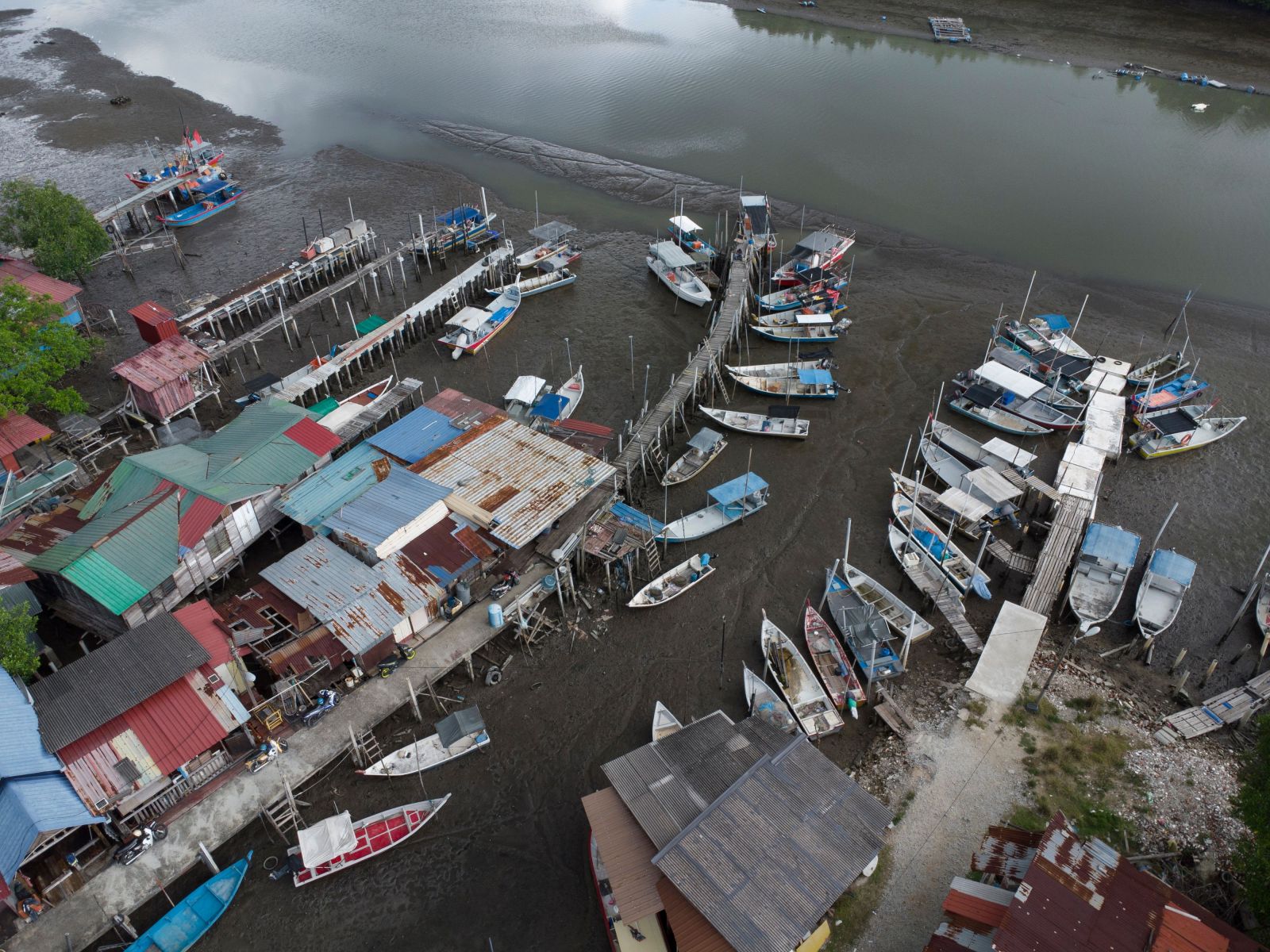
An aerial view of a Malaysian fishing village featuring colorful boats and a jetty at low tide
A visit to Malaysia’s traditional fishing villages offers many authentic experiences beyond sightseeing.
Travelers can:
These experiences allow visitors to connect with Malaysia’s cultural heritage while supporting local tourism.
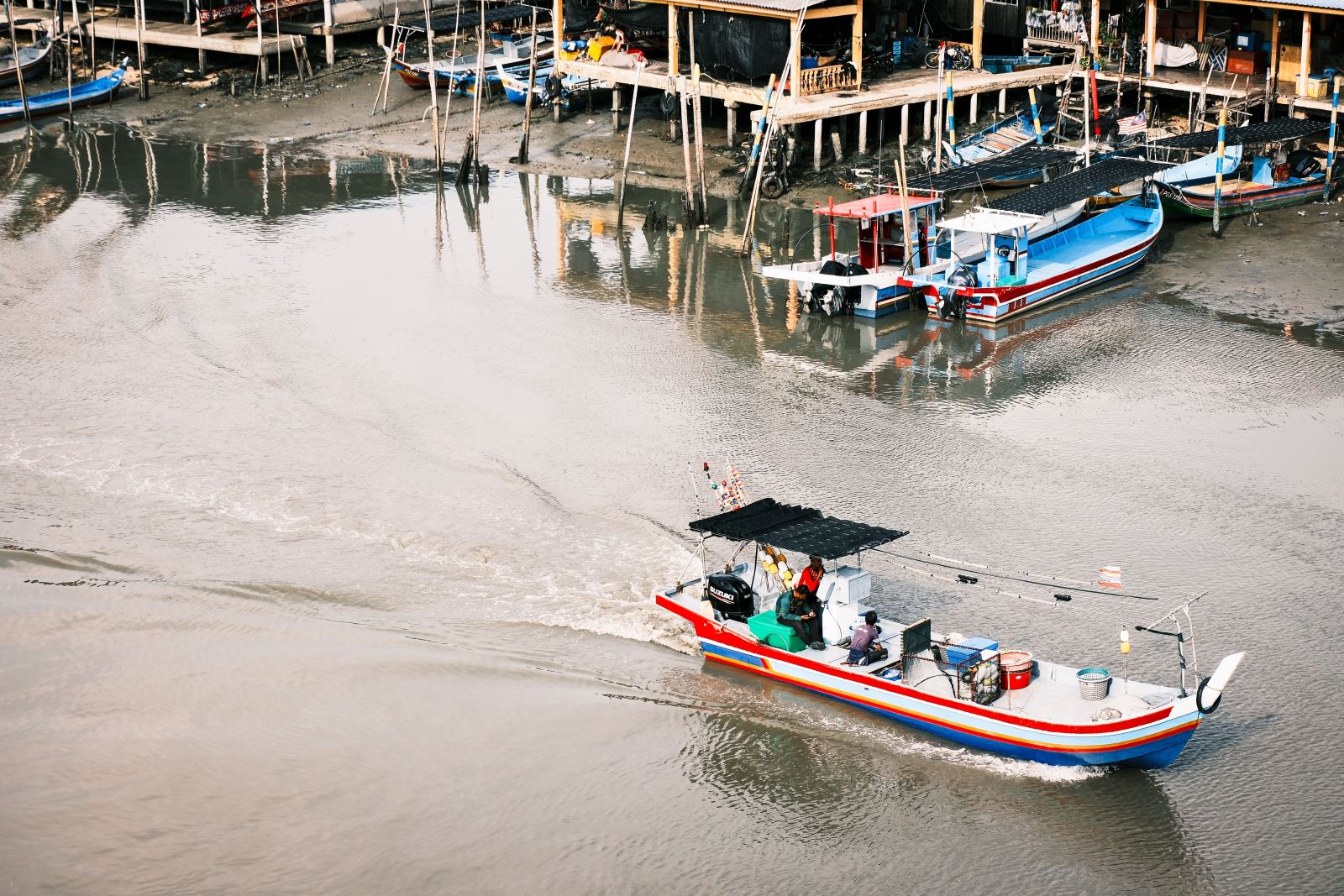
A colorful fishing boat is moving along a calm river near stilt houses in Perlis, Malaysia
The best time to visit Malaysia’s fishing villages depends on the region. Generally, the dry season from April to September offers better weather conditions for exploring coastal areas.
For west coast villages like Pulau Ketam and Kuala Sepetang, the weather is usually good. You can travel there for most of the year.
For Sabah destinations like Semporna and Mabul Island, March to October is often the best time to visit. It is ideal for outdoor activities. It is also good for island trips and marine experiences.
Travelers should always check local weather conditions, especially during monsoon seasons, as heavy rain may affect boat transportation.
You may also like: Malaysia - Singapore tour 13 days
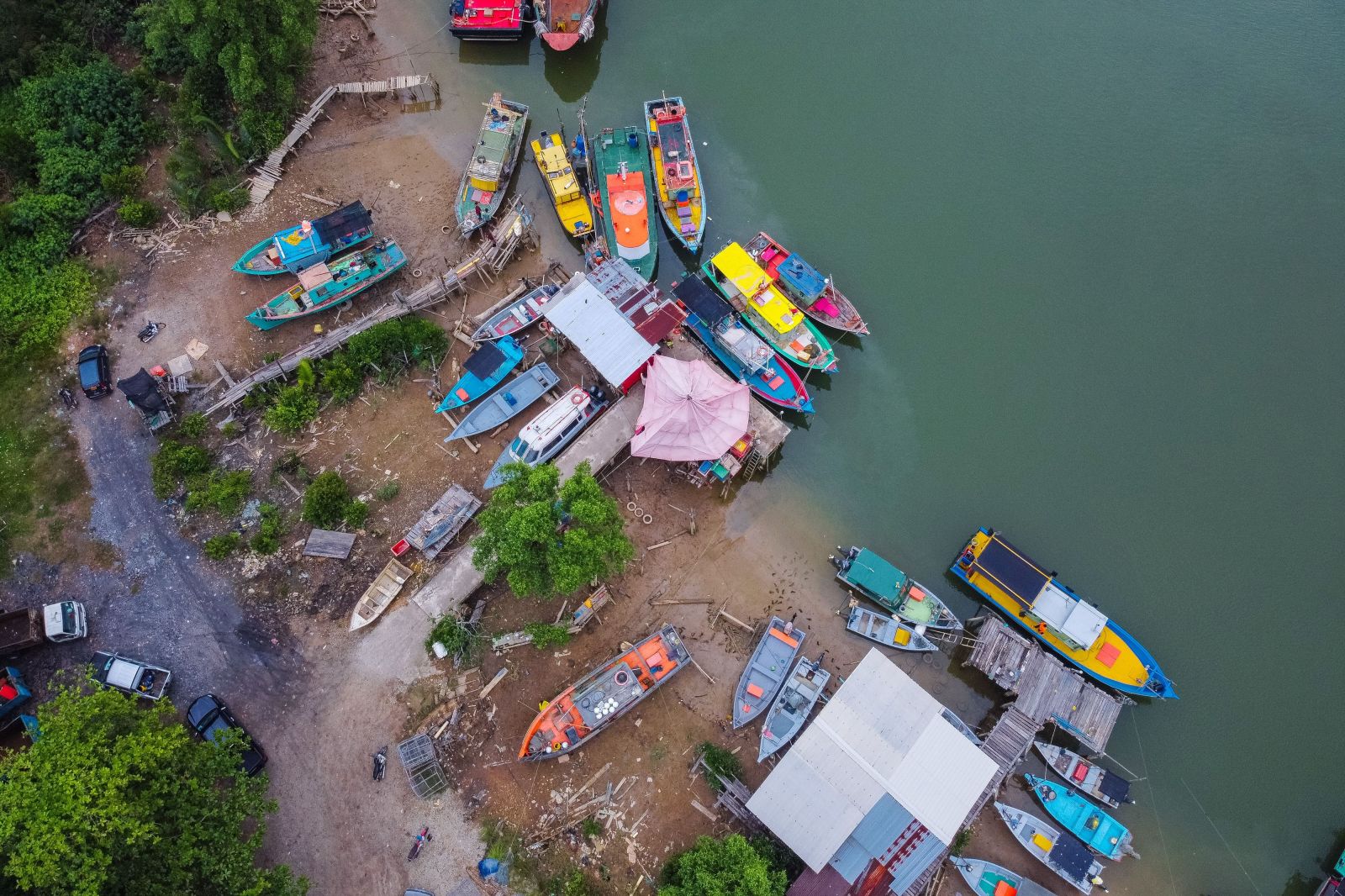
An aerial view of colorful boats moored along the riverbank in Chukai, Malaysia, amidst lush green vegetation
What are the best traditional fishing villages to visit in Malaysia?
Some of the best fishing villages include Pulau Ketam in Selangor, Kuala Sepetang in Perak, Tanjung Dawai in Kedah, and Semporna villages in Sabah.
Can tourists visit Malaysian fishing villages?
Yes. Many fishing villages welcome visitors. They offer cultural experiences, seafood restaurants, and boat trips. Visitors can also learn about local lifestyles.
What food should I try in Malaysian fishing villages?
Visitors should try fresh seafood dishes such as grilled fish, prawns, squid, crab, and traditional seafood products.
Are fishing villages in Malaysia suitable for families?
Yes. Many villages are safe and offer educational experiences where families can learn about local culture and nature.
How can I support local fishing communities?
Buying local products and eating at village restaurants are great ways to support local residents. You can also join community tours and buy handmade goods.
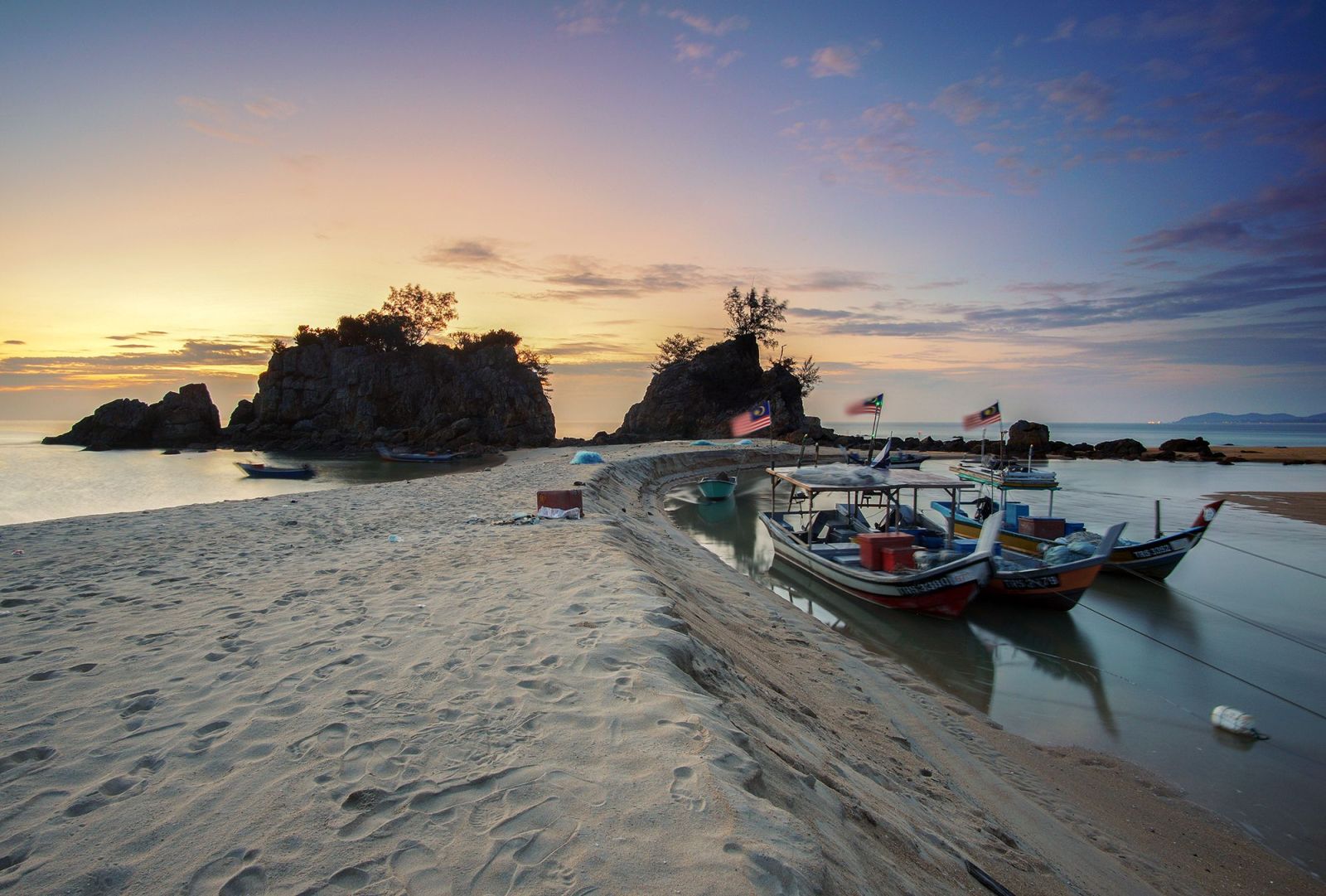
A peaceful scene of fishing boats at dawn on a sandy beach with calm waters
You may also like: Malaysian Street Food Crowned No.1 In Asia By Time Out Magazine
Exploring Traditional Fishing Villages in Malaysia offers travelers a chance to discover a quieter and more authentic side of the country. From floating communities in Pulau Ketam to coastal villages in Sabah, each destination reveals a unique relationship between people and the sea.
These villages are not only places to enjoy fresh seafood and beautiful scenery but also important cultural spaces where traditional knowledge and coastal lifestyles continue to survive. For travelers looking for meaningful experiences beyond Malaysia’s famous attractions, visiting a traditional fishing village is a memorable way to connect with local communities and discover the true spirit of Malaysia.