Rainy Season in Cambodia: Guide for Traveling
By Hoang Anh · Published · Updated
Table of contents
The rainy season in Cambodia offers a different travel experience, with green rice fields, fuller rivers, fewer visitors, and impressive waterfalls. However, heavy rain can also affect road conditions, boat trips, and outdoor activities. Discover when to visit, what to explore, and how to plan a comfortable trip during Cambodia's green season.
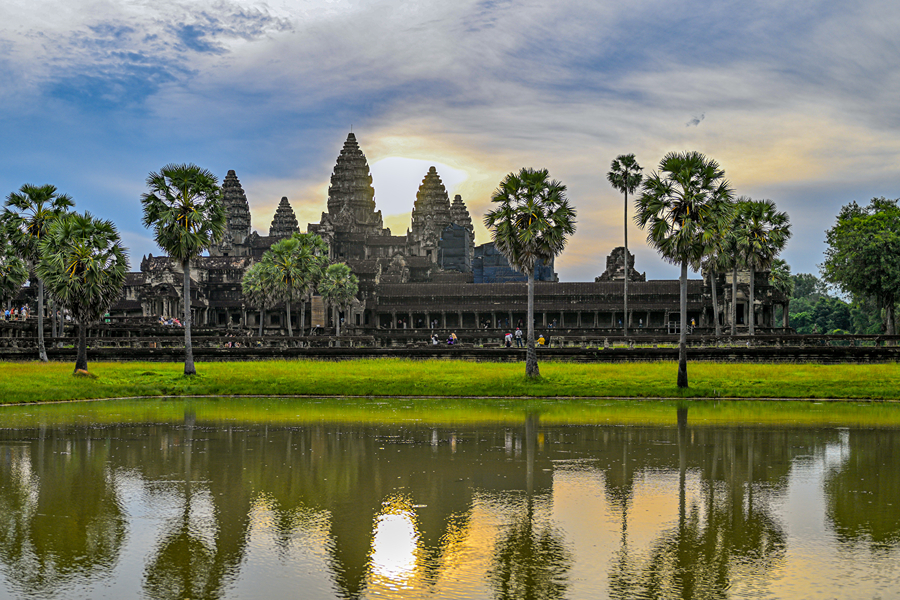
Rainy eason in Cambodia
About the Rainy Season in Cambodia
The rainy season in Cambodia generally runs from May to October, when the southwest monsoon brings moisture and rainfall across the country. Temperatures usually remain warm, often between 25°C and 35°C, with high humidity throughout the day.
Rainfall patterns vary by month and location. In many areas, mornings are suitable for sightseeing, while heavier showers may develop in the afternoon. However, this is not guaranteed, and prolonged rainfall can occur, particularly toward the end of the season.
Here is a general overview of what travelers can expect:
- May - June: The first regular rains arrive, and countryside landscapes become greener.
- July - August: Frequent showers, lush rice fields, and rising water levels around Tonle Sap Lake.
- September: Often the wettest period, with a higher chance of prolonged rain and flooding.
- October: Rainfall generally begins to decrease, although heavy showers and local flooding may still occur.
Climate records for Siem Reap show that September has the highest average rainfall among these months, at around 305 mm. These are long-term averages, not predictions for specific travel dates.
Weather also differs by region. Phnom Penh and Siem Reap can experience heavy rainfall and temporary street flooding, while coastal destinations and islands may have rougher seas. In northeastern Cambodia, muddy rural roads can make journeys to remote areas more difficult.
Why Visit Cambodia During the Rainy Season?
Traveling to Cambodia during the rainy season offers a different experience from visiting in the dry months. Rainfall brings more water to rivers and lakes, turns rice fields green, and helps forests recover after the dry season.
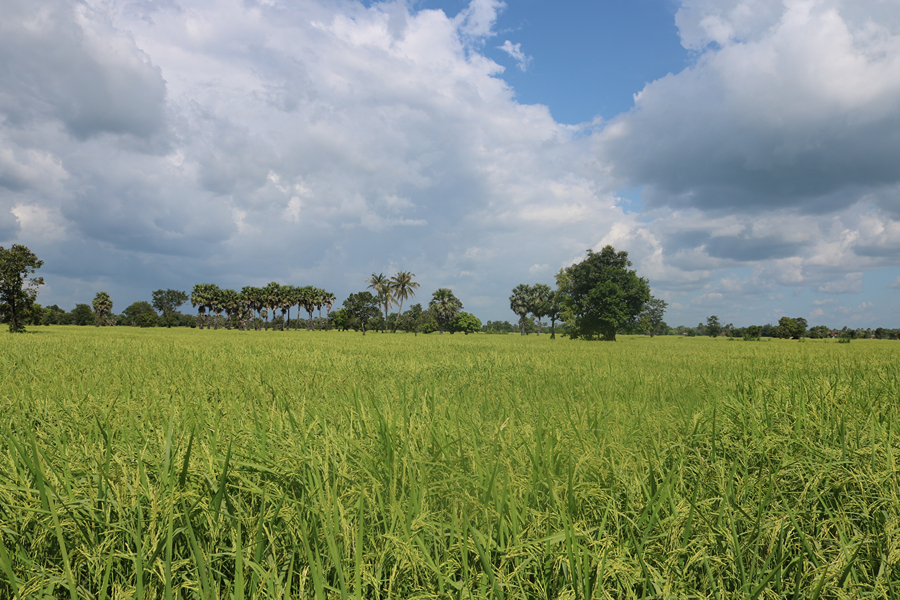
Green fields in Cambodia
More than the beauty of nature, this is the season to go on tour when everything-from tours and flights to accommodations goes at concessional rates, making it cheap. The season has certain other special attractions: the floating villages around Tonle Sap Lake can only be navigated through with boats and flooded forests during these months when access is not possible during months of drought.
During one of Cambodia’s quieter travel periods, visitors may have more time to connect with local communities through everyday activities. In Banteay Chhmar, for example, travelers can visit the local market with a host family, buy ingredients, and prepare a Khmer meal together as part of a cooking class. In Koh Pdao, community-based tourism activities offer opportunities to learn about traditional livelihoods, explore the village with a local guide, or take part in selected farming activities. For travelers who prefer a slower pace and more direct contact with local people, the rainy season can be a rewarding time to visit Cambodia.
Things to Do in Cambodia During the Rainy Season
Explore Angkor Wat and the Temples of Angkor
Visiting Angkor Wat during the monsoon season was an unforgettable experience. The surrounding landscape was lush and vividly green, and the temple looked its most striking under heavy storm clouds, its reflection shimmering in the rain-filled pools. The rain also brought milder temperatures, and the cool air made the whole visit remarkably pleasant.
Besides Angkor Wat, visitors can explore Ta Prohm, known for its massive tree roots growing over ancient stone structures, and Banteay Srei, famous for its detailed carvings. During the rainy season, the surrounding vegetation becomes greener, creating a different setting for temple visits. Early mornings are generally a good time to explore, but visitors should be careful on wet and slippery stone paths.
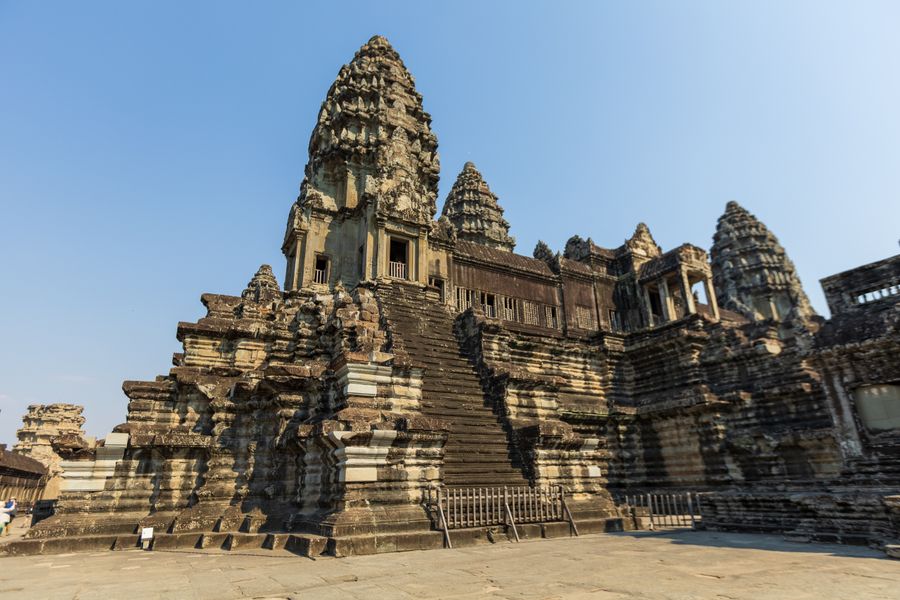
Beautiful Angkor Wat
Take a Cruise on the Tonle Sap Lake
Tonle Sap Lake, the largest freshwater lake in Southeast Asia, comes alive during the rainy season. The rise in water submerges the surroundings, creating a floating world. Boat tours take travelers through fascinating floating villages like Kampong Phluk and Chong Khneas, where houses, schools, and markets are perched on stilts. These communities adapt seamlessly to the water-drenched environment, offering a glimpse into a lifestyle deeply connected to the rhythms of nature.
Equally interesting are the flooded forests around the lake, whose partly submerged trees make for an almost surreal scenery. Cruises during this period will offer sightings of traditional methods of fishing and also an encounter with the ever-smiling local people for whom this lake is their bread and butter.
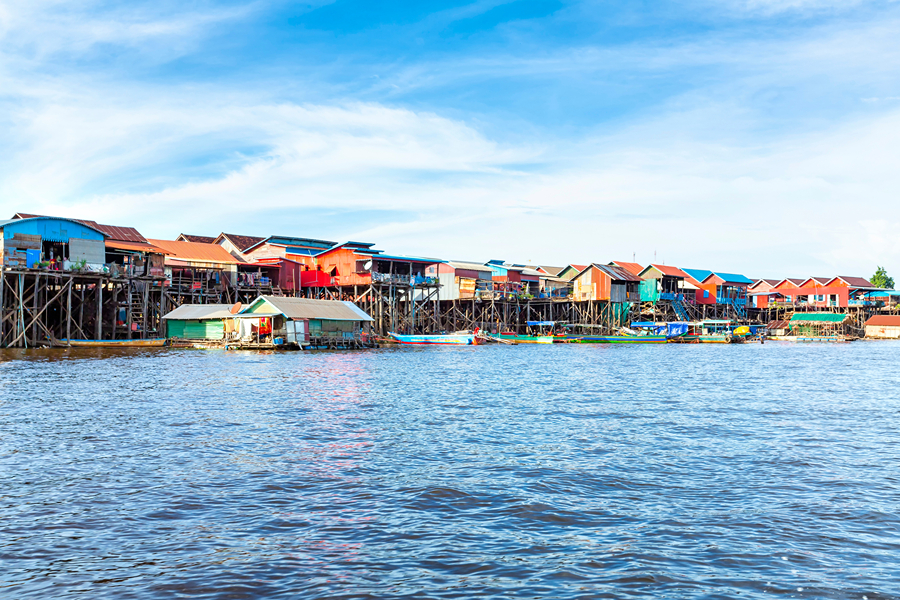
A row of traditional wooden and corrugated metal houses, built on raised platforms, stands along the edge of Tonle Sap Lake in Cambodia
Discover Phnom Penh’s Cultural Gems
From cultural and historic sites to modern amusement, Phnom Penh-a capital of Cambodia can offer all kinds of entertainment for any taste, even on rainy days. First of all, the Royal Palace and Silver Pagoda will introduce the visitor to Khmer architecture, ingenious construction, and amazingly impressive details. The National Museum contains an immense collection of Khmer art and artifacts, helping to trace back some moments in Cambodian history.
Other good settings for these trips include visits to places like the Tuol Sleng Genocide Museum and the Killing Fields on rainy days, where travelers can really reflect on the resiliency and strength of Cambodia.
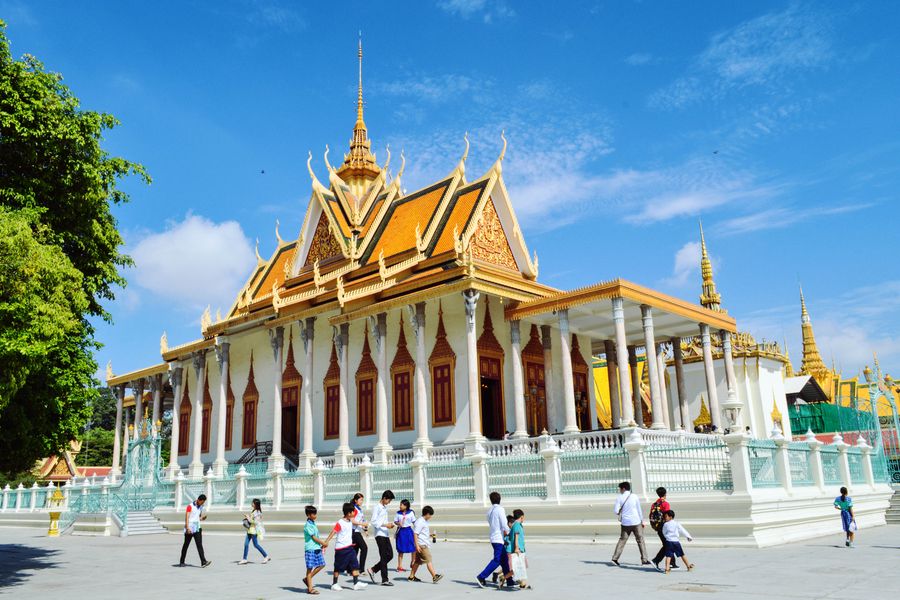
Phnom Penh Cultural Gems
Experience the Beauty of Kampot and Kep
Kampot and Kep are quaint towns that work equally well as rainy-season retreats. Kampot, located on the river, has a relaxed atmosphere, colonial buildings, and pepper plantations. Misty hills and greenery line the Kampot River during the rainy season, making it a quiet boat ride away from the hustle and bustle of the city.
Just a short drive away from Kampot lies Kep, which is a retreat by the coast famous for its seafood, especially its crab with Kampot pepper.
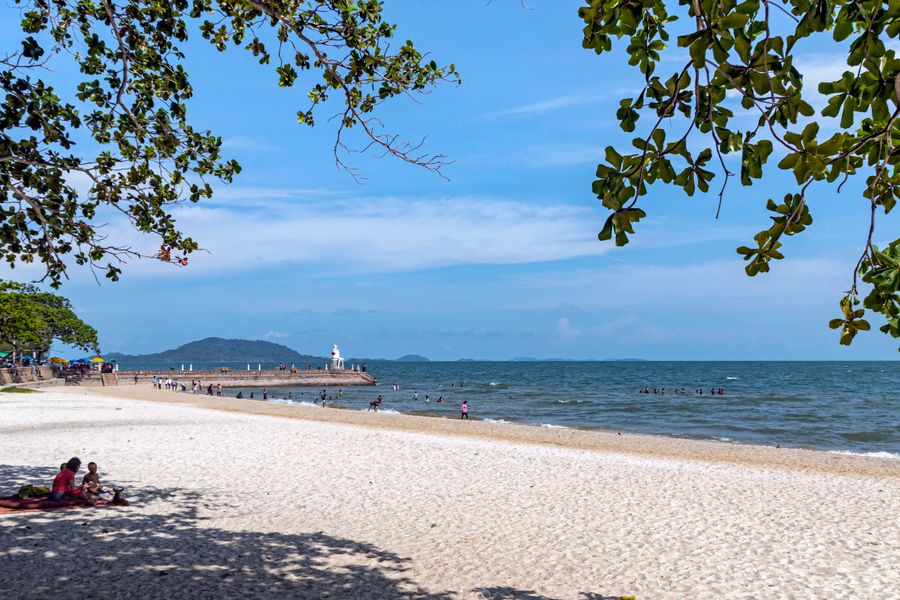
A beautiful sandy beach in Krong Kaeb, Kep Province, Cambodia
You may also like: Cambodia Tour 13 days: A deep insight
Chase Waterfalls and Explore Nature
During the rainy season, waterfalls in Cambodia become more powerful and impressive as water levels rise. Popular natural attractions such as Kbal Chhay Waterfall near Sihanoukville and Phnom Kulen Waterfall near Siem Reap are surrounded by lush greenery and offer beautiful scenery for nature lovers and photography enthusiasts. However, swimming during this period can be dangerous due to strong currents, slippery rocks, and sudden changes in water levels. Visitors should admire the waterfalls from designated viewing areas, follow local safety instructions, and avoid entering the water during or after heavy rainfall.
For the more adventurous, the Cardamom Mountains offer trekking through a rejuvenated rainforest teeming with wildlife. The rains create a feeling of renewal in the area, with mist shrouded mountains, vibrant foliage, and babbling brooks.
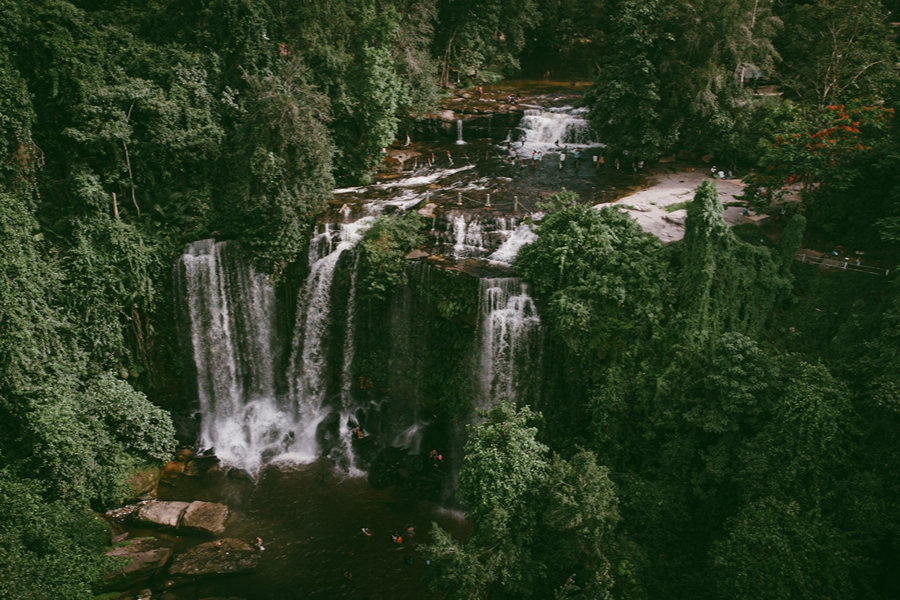
Experiencing Phnom Kulen
It is not only a time for spectacular scenery when exploring the natural wonders of Cambodia in the rainy season but also plunging into the serenity of the wild.
Read more: Cambodia's Climate and Weather
The Culinary Delights of Cambodia During the Rainy Season
The rainy season in Cambodia brings a lot of fresh, seasonal produce onto the already vibrant scene. With the rains replenishing the fertile soil, the markets are full of exotic fruits, vegetables, and herbs. In the rainy season, markets fill with mangosteen, rambutan, and jackfruit. Fish from the Tonle Sap, which swells with floodwater, goes into fish amok, a coconut curry steamed in banana leaf and thickened with egg, and into samlor kakor, a sour-savory soup built on lemongrass and kroeung, the Cambodian paste of lemongrass, galangal, and turmeric. For breakfast, nom banh chok, rice noodles in a green fish gravy, is sold from carts in the early morning.
The rainy season is also perfect to try the comfort foods in town, such as Banh Chhaev and Samlor Korkor, a kind of comfort soup that has its Khmer roots, comfort foods highly favored on cool and rainy days.
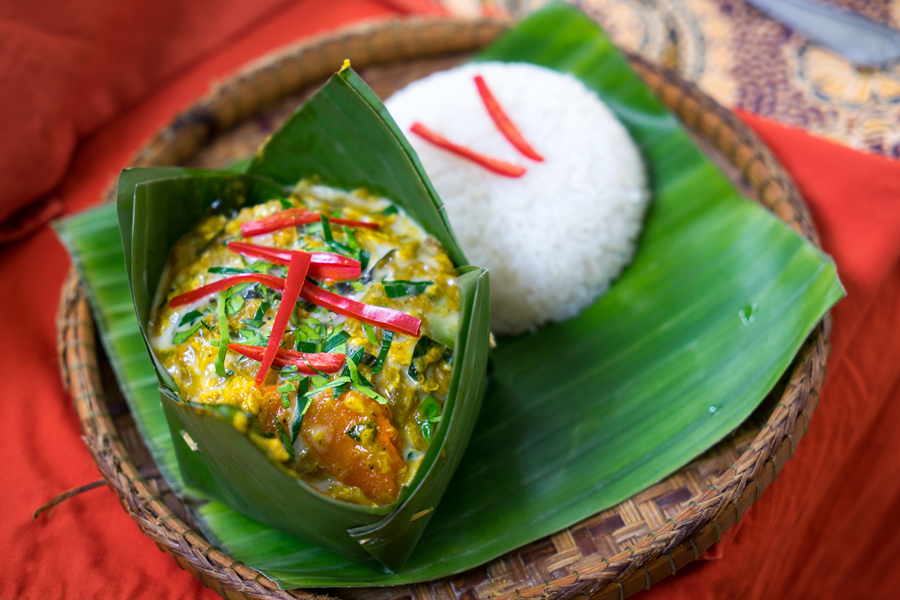
Authentic Cambodian Amok - Traditional Fish Curry Steamed in Banana Leaves with Rice, Garnished with Red Chili Strips
Tips for Traveling During the Rainy Season in Cambodia
- Plan outdoor activities for the morning: Visit temples, markets, and natural attractions early in the day. Keep afternoons more flexible in case of heavy rain.
- Allow extra time for road journeys: Heavy rain and temporary flooding can slow traffic, especially in Phnom Penh and on rural roads. Avoid tight connections between long-distance transfers and flights.
- Choose suitable footwear: Bring comfortable shoes or sandals with good grip. Avoid smooth-soled footwear when walking on wet temple stones and muddy paths.
- Protect your belongings: Use a waterproof bag or dry bag for your phone, camera, passport, and important documents. Pack a lightweight rain jacket or poncho instead of relying only on an umbrella.
- Check boat and ferry conditions: Confirm departures with operators before visiting Tonle Sap Lake or traveling to coastal islands. Choose operators that provide life jackets and follow local weather warnings.
- Be careful around waterfalls and rivers: Do not swim during or immediately after heavy rainfall without confirmation that conditions are safe. Strong currents and sudden increases in water levels can be dangerous.
- Bring mosquito repellent: Mosquitoes are common in humid environments, particularly near rivers and vegetation. Use repellent and wear suitable clothing during the early morning and evening.
- Keep your itinerary flexible: Consider accommodation with flexible cancellation conditions and leave extra time for possible transport disruptions. Check local weather updates before traveling to remote areas.
Read more: Cambodia Thailand Tour 16 Days: Discover Culture and History
FAQs about traveling to Cambodia during the rainy season
1. Is it worth visiting Cambodia during the rainy season?
Yes. Cambodia is worth visiting during the rainy season, especially from May to August, when the countryside becomes greener and major attractions are often less crowded. Travelers can explore Angkor Wat, visit Tonle Sap Lake, and enjoy waterfalls. However, September and October may bring heavier rain and more travel disruptions.
2. What is the best month to visit Cambodia during the rainy season?
June, July, and August are good choices for travelers who want green landscapes while keeping their itinerary relatively manageable. September is generally wetter, particularly around Siem Reap and Phnom Penh. For a Tonle Sap flooded forest experience, consider visiting later in the rainy season, depending on actual water levels.
3. Does it rain all day in Cambodia during the rainy season?
No. Many days have dry periods in the morning followed by afternoon or evening showers. However, weather conditions vary, and prolonged rainfall can occur, particularly in September and October. Travelers should check local forecasts and avoid scheduling too many outdoor activities in one day.
4. Can you visit Angkor Wat during the rainy season?
Yes. Angkor Wat and the surrounding temple complex remain popular places to visit during this period. Rainfall can create beautiful reflections and greener surroundings. Start early, wear shoes with good grip, and follow local instructions if certain areas become unsafe or temporarily inaccessible.
5. Is it safe to travel around Cambodia during the rainy season?
Travel is generally possible, but visitors should prepare for temporary flooding, slippery roads, and transport delays. Use reliable transport providers, avoid driving on flooded or muddy rural roads, and do not travel through areas affected by severe weather. Boat trips, waterfalls, and outdoor activities also require extra caution.
Conclusion
The Cambodian rainy season is that period of the year whereby one could possibly explore a country which many travelers often miss out on. Renewed landscapes, peaceful temples, or even cultural vigor, the Cambodia Rainy Season is a bundle of unexplored activities. Above all, plan your rain season tour with Asia King Travel to make some of the greatest moments in your journey of travel.