English
 French
 Spanish
 Italian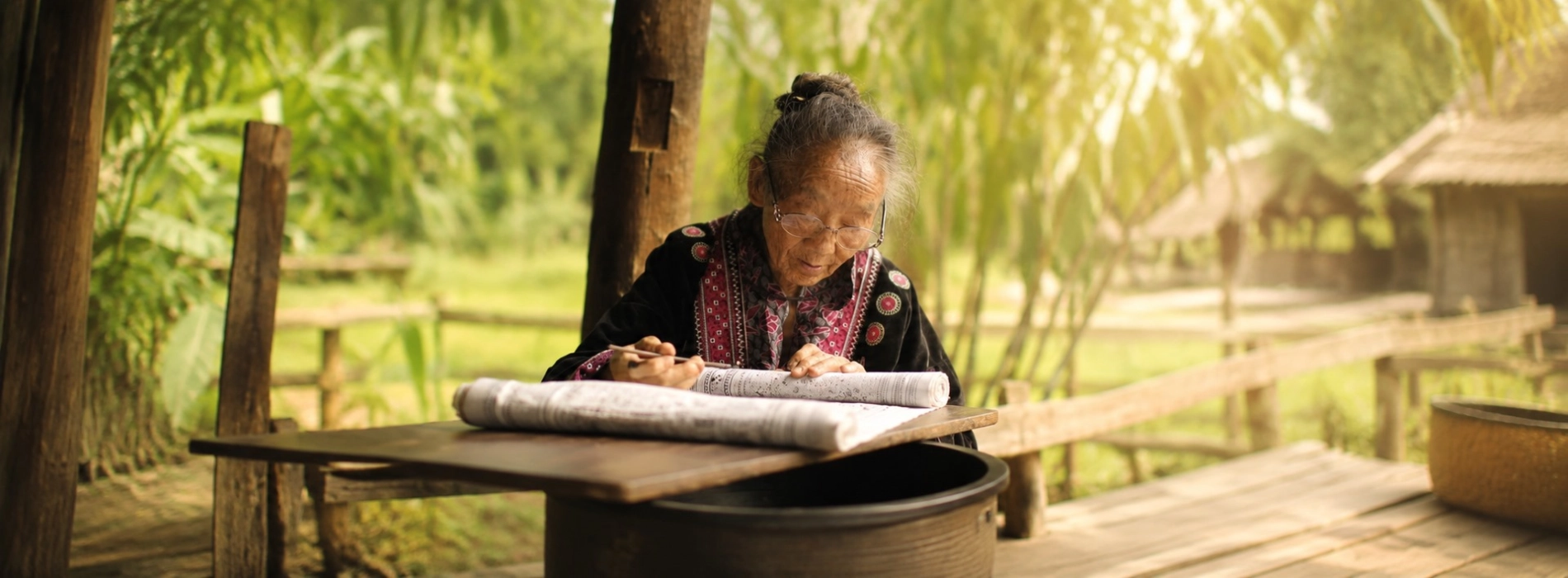
Northern Thailand is famous for misty mountains, golden temples, lively night markets, and peaceful countryside. Yet for many visitors, one of the most memorable experiences is a journey to a Karen village in Chiang Mai. This is not only a sightseeing stop; it is a chance to understand the daily life, traditions, crafts, and natural surroundings of one of Thailand’s best-known hill tribe communities.
The Karen people, sometimes called Pakanyor, live in several areas of northern Thailand, especially near the Thai-Myanmar border in provinces such as Chiang Mai, Chiang Rai, and Mae Hong Son. They are often described as one of the largest ethnic minority groups in Thailand, with traditions linked to farming, weaving, basketry, and mountain village life.
.jpg)
Handmade Karen crafts and colorful local textiles
The Karen include different subgroups, languages, beliefs, and lifestyles. Some communities are Buddhist, some are Christian, and others still preserve spiritual beliefs connected to nature and ancestors.
In daily life, many Karen families have traditionally depended on rice cultivation, corn, vegetables, forest products, and handicrafts. Around Chiang Mai, visitors may see bamboo houses, small gardens, handwoven textiles, and footpaths crossing hillsides. These details show a lifestyle shaped by both the mountain environment and long-standing cultural identity.
The first reason travelers are attracted to a Karen village in Chiang Mai is cultural curiosity. Chiang Mai is a gateway to northern Thailand’s hill tribe regions, where communities such as the Karen, Hmong, Akha, Lahu, and Lisu live in mountain areas. A Karen village visit allows travelers to see traditional houses, local clothing, village layouts, and handicrafts that are very different from modern city life.
.jpg)
Travelers exploring Long Neck Karen culture
The most valuable part is often not just looking, but learning. A good local guide can explain the meaning of textile patterns, how families farm the land, what local festivals represent, and how younger generations balance tradition with school, technology, and work outside the village.
Explore the best things to do in Chiang Mai, including cultural tours, nature adventures, and exciting excursions you can’t miss
A Karen village in Chiang Mai is often located in or near green mountains, so the journey itself becomes part of the experience. Depending on the route, travelers may pass rice terraces, waterfalls, coffee farms, forest trails, or quiet valleys. Some tours combine a village visit with Doi Inthanon National Park, Pha Dok Siew Waterfall, or light trekking through farmland and jungle paths.
.jpg)
Traditional bamboo houses in a quiet Karen village
This natural setting appeals to travelers who want a slower and greener side of Thailand. Instead of spending the whole day in crowded markets, they can breathe fresh mountain air, walk through rural landscapes, and enjoy the calm rhythm of village life.
Handwoven textiles are among the most recognizable highlights of a Karen village in Chiang Mai. Karen women are known for making colorful cloth, shoulder bags, scarves, tunics, and decorative patterns using traditional techniques. In many communities, weaving is not only a souvenir activity; it is a form of identity and family knowledge passed from one generation to the next.
.jpg)
A Long Neck Karen woman weaving by hand
Buying directly from local artisans can support household income and help preserve craft traditions, especially when travelers pay fair prices. Travel guides on Karen community tourism often note that supporting local textiles and crafts can contribute to community-based tourism when the benefits reach the makers themselves.
Many travelers search for a Karen village in Chiang Mai because they have seen photos of women wearing brass neck rings. This tradition is commonly associated with the Kayan, a subgroup often called “Long Neck Karen” in tourism. However, this is also the most sensitive part of the experience.
Some visitors find the tradition fascinating, while others worry that certain villages can feel staged or exploitative. Recent travel discussions continue to highlight the ethical debate: tourism may bring income, but it can also risk turning people into photo attractions if visits are poorly managed.
.jpg)
A Karen woman preserving traditional embroidery
That does not mean every visit should be avoided. It means travelers should choose carefully. A responsible experience should include cultural explanation, fair payment, permission before photos, and visible benefits for the community. The goal is not to “see exotic people,” but to understand a living culture with dignity.
Discover unique workshops in Bangkok and Chiang Mai to immerse yourself in local culture and creativity
A Karen village in Chiang Mai attracts visitors because it creates a personal memory. Temples and viewpoints are beautiful, but a conversation with a weaver, a walk beside rice fields, or a simple meal in a mountain village can feel more human and lasting.
.jpg)
A peaceful elephant experience in a Karen village
Travelers often remember small details: the sound of a loom, the smell of wood smoke, children returning from school, or the quiet pride of an artisan explaining her work. This emotional connection is especially attractive for visitors who enjoy cultural immersion, photography, soft adventure, family travel, and responsible tourism.
Travelers should also ask before taking portraits. A village is not a museum; it is someone’s home. Dress modestly, avoid touching cultural objects without permission, and do not interrupt ceremonies or private family life. If you buy handmade products, pay respectfully and remember that each textile may represent many hours of work.
The best time to plan this experience is usually from November to February, when the weather is cooler and the mountains are comfortable for walking. The green season, from around June to October, can also be beautiful because rice fields and forests look lush, although rain and muddy paths are more likely. March to May is hotter, and air quality can sometimes be affected by regional burning season, so travelers should check local conditions before planning outdoor activities.
This experience is ideal for travelers interested in culture, textiles, photography, light trekking, and countryside life. It is also suitable for families who want children to learn about different ways of living, as long as the visit is guided sensitively. However, it may not be the best choice for travelers who only want a quick selfie stop or who feel uncomfortable with the ethical complexity around Long Neck tourism.
Visiting a Karen village in Chiang Mai can be one of the most rewarding cultural experiences in northern Thailand when it is done respectfully. When approached in the right way, a village visit becomes more than a tour, it becomes a thoughtful exchange between travelers and one of northern Thailand’s most distinctive cultural communities.
Trek through lush forests, encounter hill tribes, and spend a night in a traditional Karen village. Learn about their way of life and even lend a hand at a royal farm project with Chiang Mai Trekking Tour 5 days