English
 French
 Spanish
 Italian
Lampang

Lampang, in Northern Thailand, is known for its traditional horse-drawn carriages, centuries-old Lanna temples and distinctive ceramic heritage. Beyond its cultural attractions, Lampang offers a slower alternative to Chiang Mai, with historic streets, local food and scenic landscapes to explore.
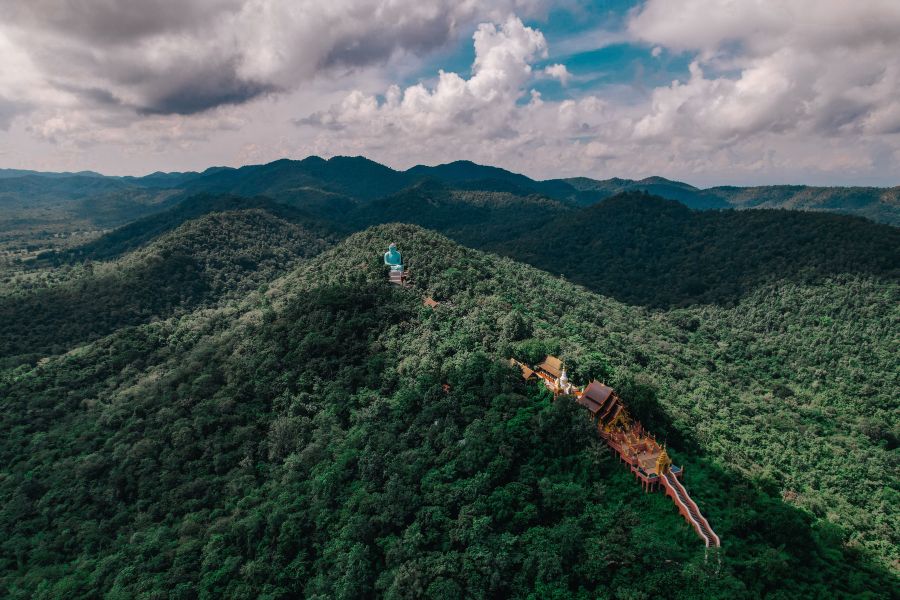
A temple with stunning scenery in Lampang
Lampang is a province in northern Thailand, and its origins go back more than a thousand years. Its history draws on ancient communities and the Lanna Kingdom, which flourished from the 13th to the 18th century and left its mark on local culture, art and architecture. The province has also kept a strong tradition of preserving that heritage.
One of the historical sites is Wat Phra That Lampang Luang, a long-standing religious landmark known for its distinctive Lanna architecture and cultural significance. Lampang later became an important trading centre, particularly during the teak trade, while the arrival of the railway in 1916 further strengthened the city's role as a transport and commercial hub.
The province has embraced modernity and tradition in equal measure, as seen by its dedication to maintaining traditional customs and cultural features such as its recognisable horse-drawn carriages. Lampang is a fascinating place that encourages visitors to explore its rich past and experience its living cultural heritage.
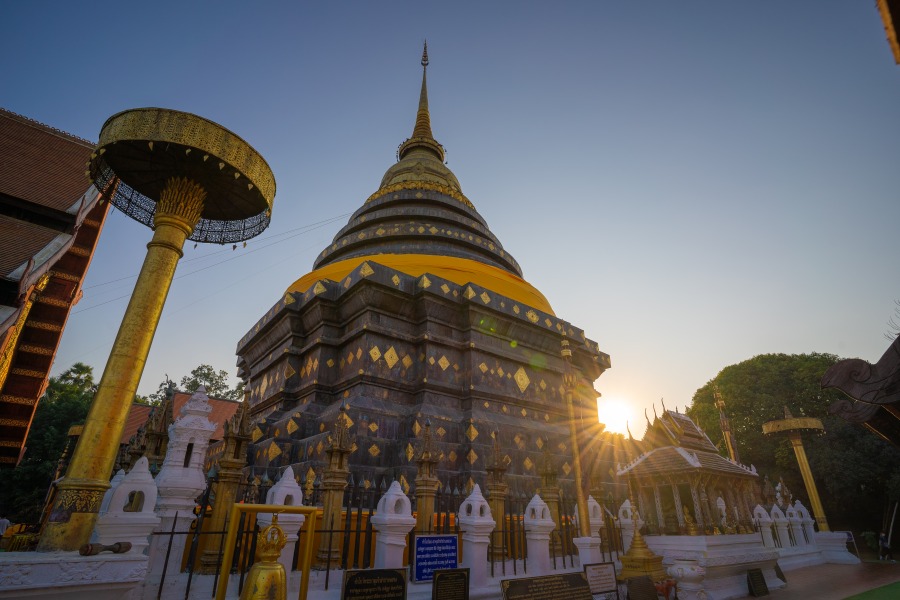
Wat Phra That Lampang Luang, a Lanna architectural landmark in Lampang
You may like: Lampang Tour 2 Days: Scenic Journey Through Culture
Cool Season (November to February): This is generally the most comfortable time to visit Lampang, with cooler mornings, lower rainfall and mostly dry weather. It is a good period for exploring the old town, visiting temples and spending time outdoors.
Hot Season (March to April): Temperatures rise considerably during these months, and afternoons can be particularly hot. If you travel during this period, plan outdoor activities for the morning or later in the day and make sure to stay hydrated.
Rainy Season (May to October): In Lampang, the rainy season brings increased rainfall and humidity. Rainfall and thunderstorms frequently occur, resulting in a verdant and lush landscape. Although daytime temperatures are not as high as they are during the hot season, it is still important to plan for the possibility of severe downpours on occasion.
November to February is generally the best time to visit Lampang. During this time, mornings are cooler, rainfall is minimal, and weather conditions are pleasant and favorable for sightseeing and outdoor activities.
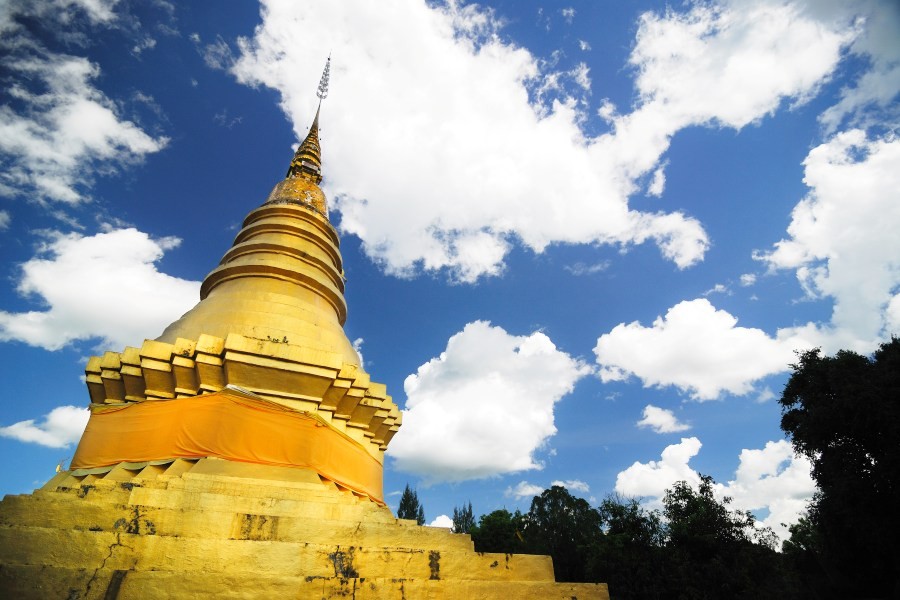
Lampang temple under a clear blue sky
From Bangkok: Bangkok and Lampang are around 600 km apart, with road journeys generally taking 8-10 hours depending on traffic and the route. Travellers can reach Lampang from Bangkok by bus, train, private car or domestic flight.
Overnight buses and trains can be practical options for travellers who prefer to travel overnight, while a private car offers more flexibility for those planning a longer road trip through Thailand. Domestic flights are also available, but services are limited and schedules can vary. If you prefer to fly, check the latest flight routes and schedules carefully before booking.
From Chiang Mai: Lampang is around 100 km from Chiang Mai, making it an easy addition to a Northern Thailand itinerary. Travellers can reach Lampang by bus, train or private car. By bus or car, the journey usually takes around 1.5-2 hours, while train journeys can take longer depending on the service.
Bus is a practical and economical option for travellers on a budget, while train is better suited to those who enjoy a slower and more scenic journey. A private car or taxi offers more flexibility, especially for families, groups or travellers planning to visit attractions outside Lampang city.

Catching a taxi in Thailand
Getting around Lampang is relatively easy, especially around the old town. Walking or cycling is a good way to explore areas such as Kad Kong Ta, the Wang River and nearby temples, while the iconic horse-drawn carriages offer a slower and more traditional sightseeing experience. For attractions outside the city, such as Wat Phra That Lampang Luang and Chae Son National Park, renting a car or arranging a private transfer is more convenient.
Wat Phra That Lampang Luang is one of the most important cultural landmarks in the province. The ancient temple is known for its Lanna architecture and its connection with the traditional “Year of the Ox” zodiac.
Small details make the temple especially interesting, including its circular Lanna-style chedi and the historic bullet mark associated with Nan Thip Chang. The temple is currently listed as open from 7:30 AM to 5:00 PM, although travellers should check the latest opening hours before visiting.
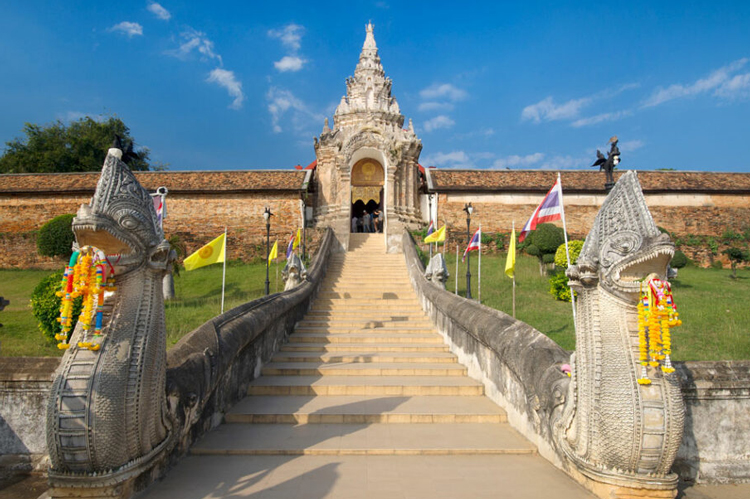
Wat Phra That Lampang Luang, a testament to the rich cultural and religious heritage of Lampang
A horse-drawn carriage ride is an experience synonymous with Lampang. The carriages once played an important role in taking passengers from the railway station into the city after the railway reached Lampang in 1916. Today, they offer a slower and more traditional way to explore the city's historic neighbourhoods.
Back in the old town, Wat Phra Kaew Don Tao is one of the notable temples to visit, with Lanna, Burmese and Shan influences adding to its architectural character. Wat Pong Sanuk and Wat Chedi Sao are other interesting stops, offering different examples of Lampang's historic temple architecture.
For a more local experience, travellers can combine a carriage ride with a walk through the old town and explore the temples, historic houses and streets at a slower pace rather than treating the ride as a standalone activity.
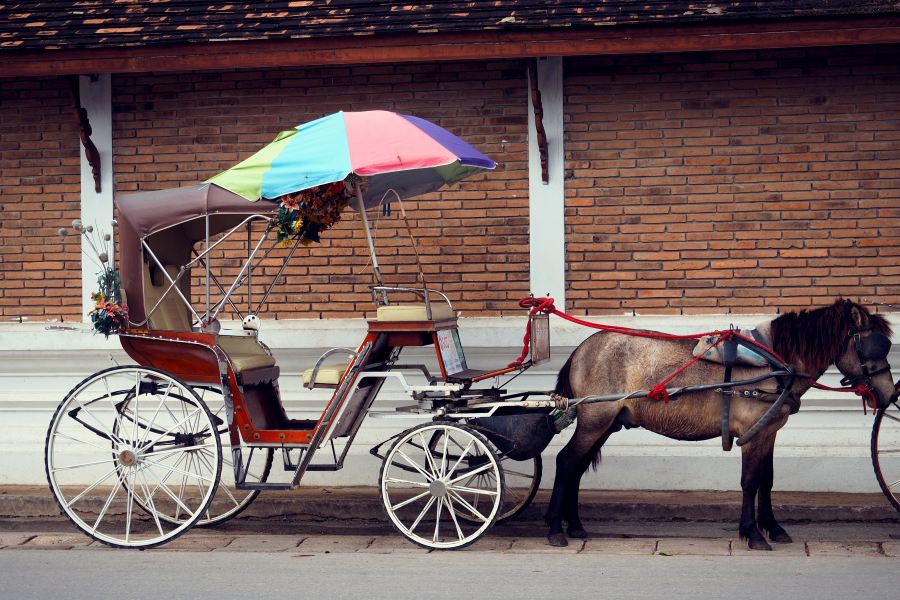
Horse-drawn carriage for travellers in Lampang
You may like: Lampang Tour 2 Days: Scenic Train and Temples
Kad Kong Ta is an old commercial district beside the Wang River, known for historic shophouses and the atmosphere of Lampang's former trading community. It is one of the best areas to experience the city's architectural character while exploring local shops, food and markets.
The area is also a good place to try local dishes and snacks. Look out for Northern Thai favourites such as kanom chin nam ngiew, miang kham, khai pam and thong muan sod, while small shops offer handmade products and souvenirs. On weekends, the area becomes livelier with the Kad Kong Ta Walking Street, held on Saturday and Sunday evenings, making it a pleasant time to explore the old streets, try local food and enjoy the riverside atmosphere.

Street market with local shops in Lampang, Thailand
Lampang is strongly associated with ceramics, particularly the distinctive rooster bowl. A visit to the Dhanabadee Ceramic Museum offers an opportunity to learn about this local craft tradition and see how ceramics are produced.
Rather than simply buying a souvenir, travellers can use the experience to understand how local materials, traditional craftsmanship and modern design have become part of Lampang's identity. The rooster bowl has become one of the symbols of Lampang's ceramic tradition, making this a worthwhile stop for travellers interested in local craftsmanship.

Lampang ceramic rooster bowl
For travellers who want to experience Lampang beyond the city, Chae Son National Park offers forests, waterfalls, warm pools and natural hot springs. The park covers around 768 square kilometers across several districts of Lampang and is an important watershed area.
One of its distinctive features is the group of natural hot springs, where water emerges at high temperatures in the main spring area. The hot spring source is much hotter than the warm pools nearby, so visitors should take care when approaching the natural spring. The combination of warm water, forest scenery and nearby waterfalls makes Chae Son a good choice for a nature-focused day trip.
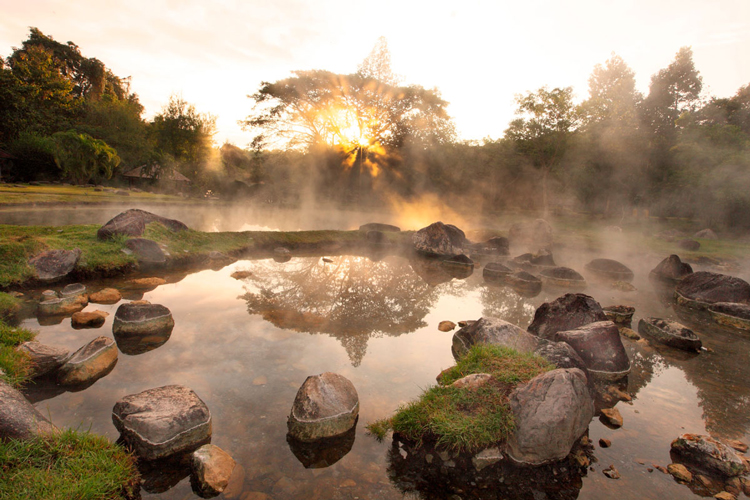
Chae Son Hot Springs, Lampang
The Thai Elephant Conservation Center is one of Lampang's notable attractions for visitors interested in Thailand's long relationship with elephants. The center focuses on elephant care, education and conservation, while offering visitors a chance to learn more about these animals and their role in Thai culture and history.
A visit can include observing elephants, learning about their daily care and exploring the center's educational areas. It is a good addition to a Lampang itinerary for travellers who want to experience a different side of Northern Thailand beyond temples, historic streets and mountain scenery.
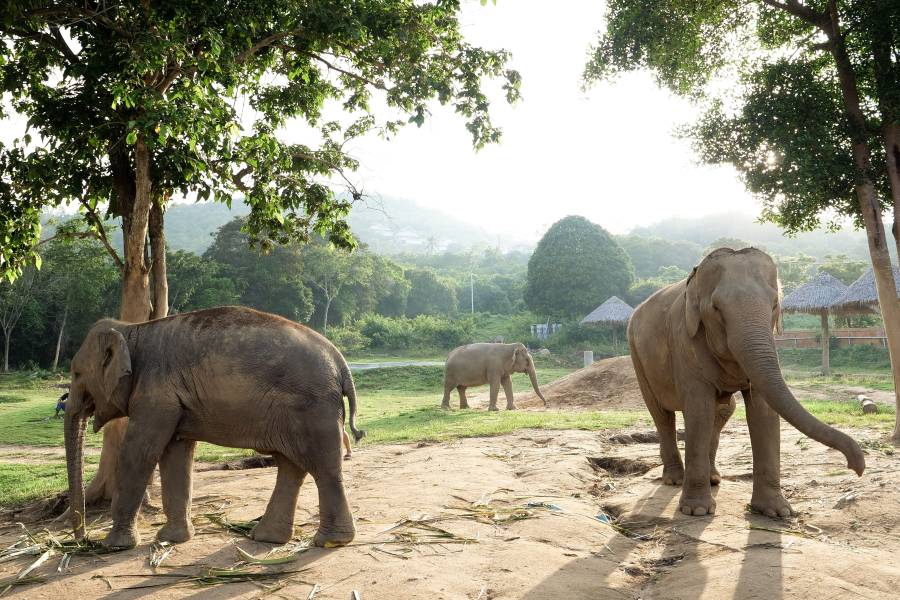
Thailand elephants in a natural environment
How many days should I spend in Lampang?
Two days and one night is enough for a first visit focused on the old town, temples, horse-drawn carriage experience and local food. If you want to add Chae Son National Park or explore more of the surrounding area, you should consider staying for three days.
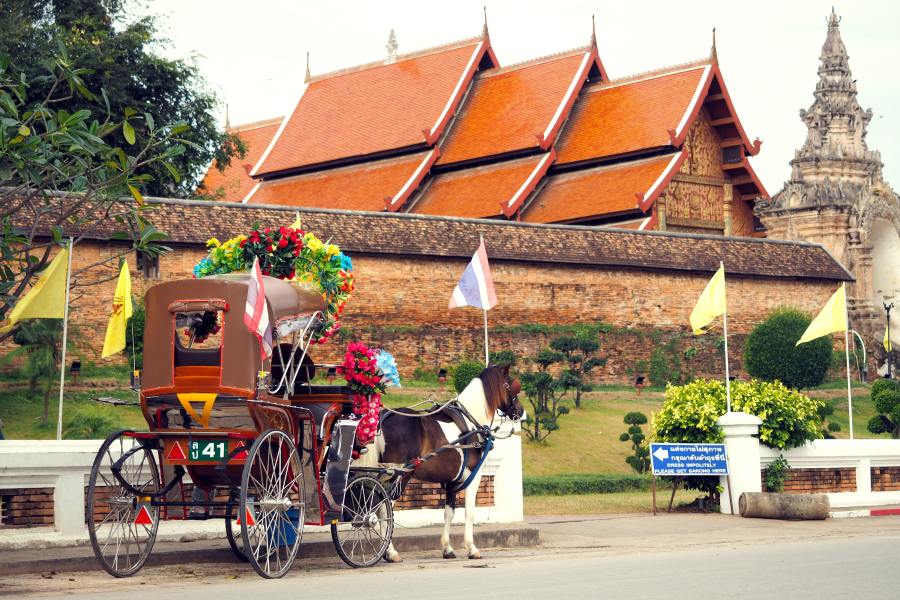
Carriage horse for tourism with the temple of Thailand at Lampang
Is Lampang suitable for a family trip?
Yes. Lampang offers a relaxed combination of cultural attractions, short sightseeing activities and nature experiences that can work well for families. Horse-drawn carriage rides are particularly approachable for children, while Chae Son and the surrounding countryside provide opportunities for a slower outdoor day.
Can I visit Lampang independently?
Yes. Independent travellers can reach Lampang by train, bus or private car and explore the city using walking, cycling and local transport. If you plan to visit several attractions outside the city, a private car or organized transfer is more convenient.
Is Lampang worth visiting from Chiang Mai?
Lampang is worth adding to a Chiang Mai itinerary if you want to experience a quieter side of Northern Thailand. Its historic streets, horse-drawn carriages, Lanna temples, ceramics and surrounding mountains offer a different atmosphere from Chiang Mai and can work well as a one- or two-night stop.
Lampang brings together the heritage, landscapes and everyday traditions that make Northern Thailand special, from its historic Lanna temples to its old riverside neighbourhoods and iconic horse-drawn carriages. A visit can be as relaxed or active as you choose, with cultural sites in the city and mountains and hot springs beyond it.
For travellers seeking a slower Northern Thailand experience with strong local character, Lampang is a destination worth adding to the itinerary. Asia King Travel can help you combine Lampang with Chiang Mai and other destinations in the region for a well-rounded Northern Thailand journey.
You may like: Lampang Tour 3 days: The Elephants Conservation Center

With our Lampang Tour 3 days: Elephant Conservation Center Experience, you will...

Explore rarely visited Doi Khuntan National Park on this North Thailand Trekking...

Join our Lampang tour 2 days for a scenic train ride from Chiang Mai, passing th...

Experience Lampang Tour 2 Days with visits to the Elephant Conservation Center,...