English
 French
 Spanish
 Italian
Thailand is changing its visa exemption policy from September 15, 2026. The country's previous 60-day visa-free arrangement will be withdrawn, while a revised system will give eligible travelers up to 30 days without a visa for tourism.
For most visitors taking a short holiday, this change may have little effect. The difference becomes more important for travelers planning a longer stay, especially those who previously used the 60-day period to spend several weeks traveling around Thailand.
Thailand will also continue separate bilateral agreements that allow certain nationalities to stay for up to 90 days. Understanding which rule applies to your passport is therefore essential before planning your trip.
The most important change takes effect on September 15, 2026.
According to the Thai government, the current 60-day visa exemption scheme will be revoked. Thailand will instead revise its tourism entry rules, including a 30-day visa exemption covering 60 countries and territories, a new 15-day exemption for two countries or territories, and a revised Visa on Arrival system covering three countries or territories.
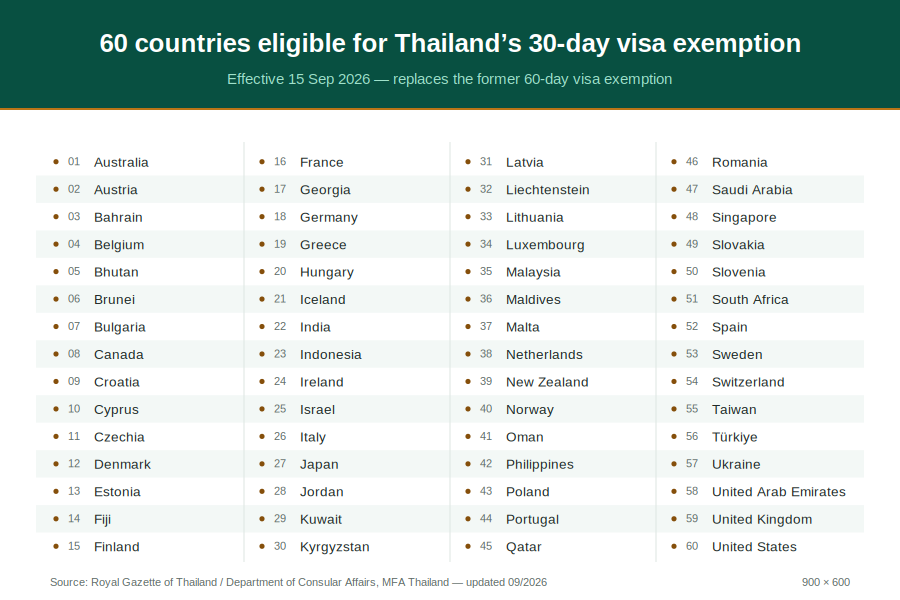
Countries eligible for Thailand's 30-day visa exemption
This means travelers should no longer plan a post-September 15 trip around the old assumption that an eligible passport automatically receives 60 days of visa-free travel.
The practical impact depends on nationality. Some travelers will move from 60 days to 30 days, while others may continue to have different stay periods under separate bilateral agreements.
.jpg)
The standard stay is shorter
Under the revised Thailand 30-day visa exemption, eligible travelers can enter Thailand for tourism and stay for up to 30 days without obtaining a visa in advance.
For a typical holiday, 30 days is still a generous amount of time. It is enough for many travelers to combine Bangkok with Chiang Mai, northern Thailand and one of the country's major beach destinations.
The important point is that the permitted stay depends on the arrangement that applies to your nationality. Travelers should check the current rules for their passport rather than relying on information from an earlier trip.
This is especially important for repeat visitors who may remember Thailand as a destination where they could stay visa-free for up to 60 days.
The 90-day rule is slightly different from the general Thailand visa exemption system.
Thailand has separate bilateral agreements with several countries that allow ordinary passport holders to stay for up to 90 days without a visa. The current bilateral list includes:
Thailand's diplomatic information lists these five countries under bilateral agreements providing stays of up to 90 days for ordinary passport holders.
This distinction is important. Citizens of Brazil, Peru and South Korea, for example, should not be described as simply receiving a new 90-day version of the old 60-day tourist exemption. Their longer stay comes from separate bilateral arrangements.
For these travelers, the change to the general tourism exemption does not mean their permitted stay automatically falls to 30 days.
.jpg)
Discover the serene beauty of the Sukhothai temple, surrounded by lush greenery and tranquil waters
The biggest impact will be felt by travelers who previously planned to stay in Thailand for more than 30 days under the former 60-day scheme.
A 10-day, two-week or three-week holiday should fit comfortably within the revised visa-free period for eligible travelers. A longer trip of five or six weeks is different.
This could affect slow travelers, retirees, repeat visitors and travelers building a longer Southeast Asia journey.
For example, someone planning 40 days in Thailand may previously have relied on the 60-day allowance. Under the new Thailand visa rules 2026, that traveler needs to check whether their nationality qualifies for another arrangement or whether a visa or extension is required.
The earlier you check, the easier it is to adjust your itinerary.
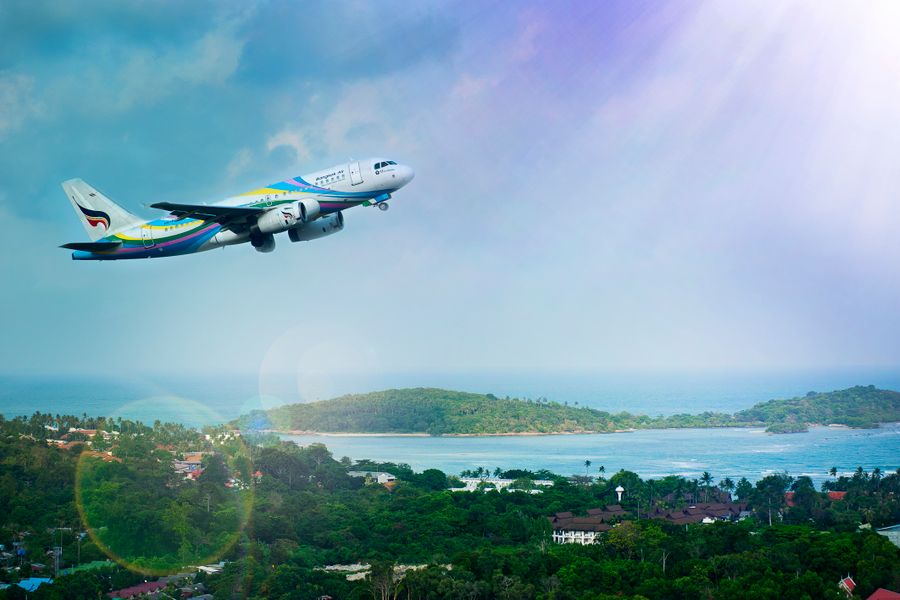
An airplane flies over the island of Koh Samui, Thailand, revealing a vibrant tropical landscape in the daylight
For most international visitors, the new rules should not change the basic experience of a normal Thailand vacation.
A three-week itinerary can still cover several regions without moving too quickly. You might spend several days in Bangkok, travel north to Chiang Mai, and then finish with a relaxed beach stay in Krabi or Phuket.
The main difference is for people who want to travel slowly.
If you plan to spend 25 days in Thailand and your passport qualifies for the revised Thailand visa-free entry, the new policy may have little practical effect. If your itinerary is 35 or 45 days, however, you should make sure your immigration status covers the entire trip.
It is better to decide this before booking non-refundable flights and hotels.
You may also like: Issan Tour 9 Days: Trip To Thailand's Northeastern Area
Travelers planning to stay beyond their permitted visa-free period should review their options before departure.
Depending on nationality, purpose and circumstances, an appropriate Thai visa or extension may be available. A tourist should not assume that the previous 60-day exemption can simply be used after September 15.
Overstaying is not a good solution. It can result in fines and other immigration consequences, so your permitted period should always be treated as a firm deadline.
The easiest way to prepare is to look at three things: nationality, purpose of travel and length of stay.
Nationality determines whether you qualify for Thailand visa-free entry and which exemption arrangement applies. Purpose of travel matters because tourism entry rules are different from rules for work, study or other activities.
Trip length is the third important factor.
For instance, a 20-day holiday may fit easily within the new 30-day framework. A planned 40-day stay requires more attention because the traveler may need another immigration option unless a separate bilateral agreement applies.
It is also useful to save a copy of your accommodation booking and onward travel details on your phone before leaving home.
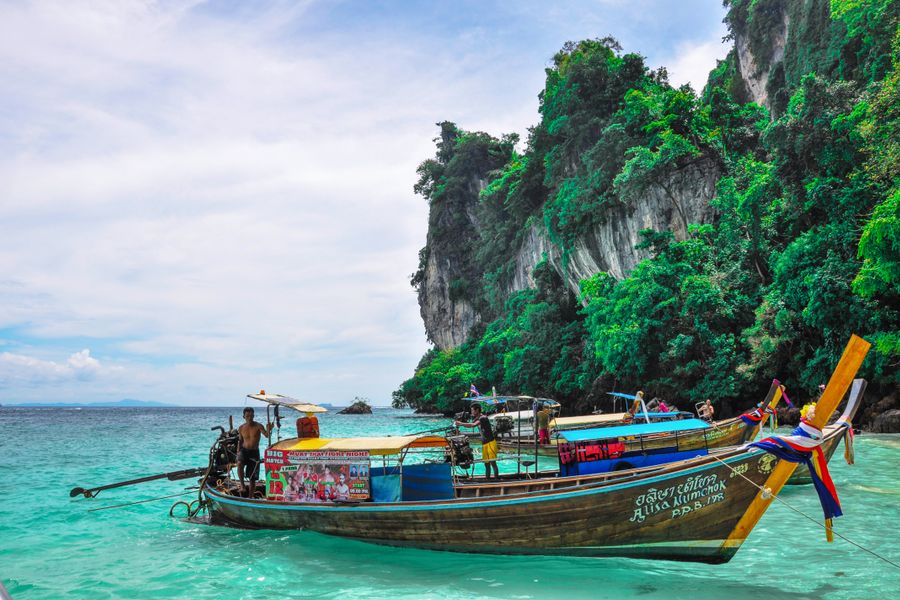
A traditional longtail boat is anchored in turquoise waters near limestone cliffs in Phang Nga, Thailand
The policy change on September 15 does not mean that travelers already in Thailand must leave on that date.
The Thai government states that foreigners who are already in Thailand under the current visa exemption arrangements, or who travel before September 15, may remain until the final date of their permitted stay shown on the immigration stamp in their passport.
This is an important detail during the transition period.
If you are already traveling in Thailand, check the date granted by immigration. That date determines how long you can legally remain, rather than the date when the new policy comes into effect.
You may also like: Thailand Tour 25 days: A Grand Discovery of Thailand
Thailand says the revised policy is based on several considerations, including national security, tourism and economic interests, reciprocity and reducing overlapping visa privileges.
The government also cited the convenience of the e-Visa system and the goal of having one visa exemption entitlement per country or territory.
For travelers, this means the Thailand visa system is becoming more dependent on the specific arrangement attached to each passport.
The result is not necessarily a more difficult trip, but it does make checking the current rules more important, especially for long stays.
Yes. Thailand remains accessible to many international tourists through visa-free arrangements.
The main change is the length of the standard stay. From September 15, 2026, the broad 60-day exemption will no longer apply, while the revised tourism exemption will allow eligible travelers from 60 countries and territories to stay for up to 30 days.
For most short holidays, this should still be enough.
Travelers planning longer stays simply need to identify which rule applies to their passport and make sure their itinerary matches the permitted period.
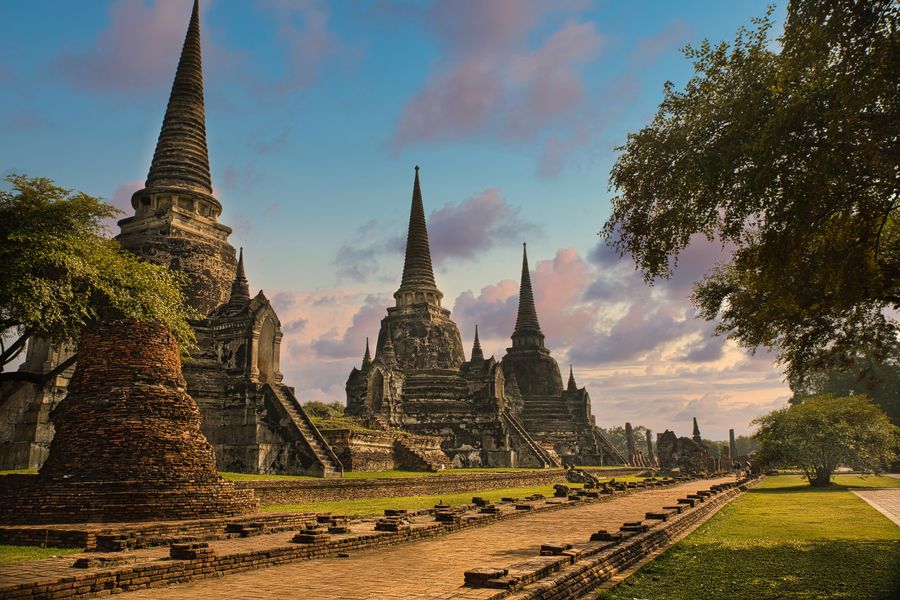
Discover the stunning ancient temples of Ayutthaya, Thailand, featuring historic architecture and serene beauty at sunset
No. Thailand is ending the broad 60-day visa exemption from September 15, 2026, but visa-free tourism will continue under the revised system. Many eligible travelers will receive up to 30 days, while separate bilateral agreements continue to provide longer stays for certain nationalities.
For travelers covered by the revised tourism exemption, the standard visa-free period will be up to 30 days. However, the exact Thailand visa-free period depends on nationality and the agreement that applies to your passport. Some travelers covered by bilateral arrangements can stay for up to 90 days.
Under Thailand's bilateral agreements for ordinary passport holders, the 90-day group includes Argentina, Brazil, Chile, the Republic of Korea and Peru. These arrangements are separate from the general tourism exemption and should not be confused with the former 60-day scheme.
It depends on your nationality and the specific exemption available to you. If your passport only qualifies for the 30-day exemption, you should check whether a suitable visa or extension is available before traveling. Travelers covered by a separate bilateral agreement may have a longer permitted stay.
You may also like: Thailand Malaysia Singapore Tour 21 Days: A Journey Full of Memories
Thailand's visa exemption changes take effect on September 15, 2026, replacing the former 60-day tourism exemption with a revised system that gives many eligible travelers up to 30 days visa-free. At the same time, separate bilateral agreements continue to allow citizens of Argentina, Brazil, Chile, South Korea and Peru to stay for up to 90 days.
Before booking a longer trip, check the rules for your passport and make sure your itinerary matches your permitted stay. For a more personalized experience, you can also contact us to design a private Thailand itinerary around your travel dates, interests and preferred pace.