English
 French
 Spanish
 Italian
Long An
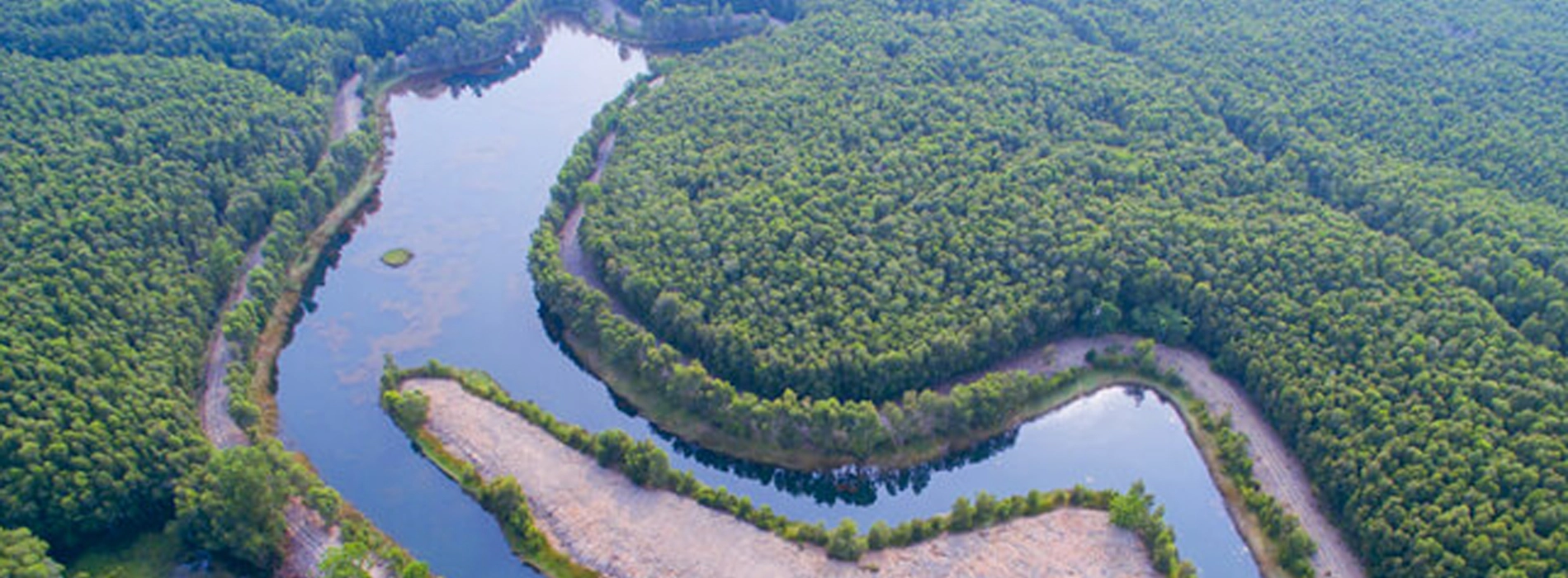
Long An, the peaceful gateway to the Mekong Delta, offers flooded forests, ancient houses, and authentic Southern charm just a short drive from Sai Gon. Now administratively merged with Tay Ninh, it is entering a new chapter of growth. Join Asia King Travel to discover why Long An deserves a spot on your next getaway list.
Long An is located in Southern Vietnam, right next to Ho Chi Minh City, making it one of the most accessible Mekong Delta destinations. It covers a large area of flat land, rivers, and canals, with much of the province belonging to the Dong Thap Muoi wetland region. This landscape creates rich farmland, peaceful countryside views, and unique flooded forests.
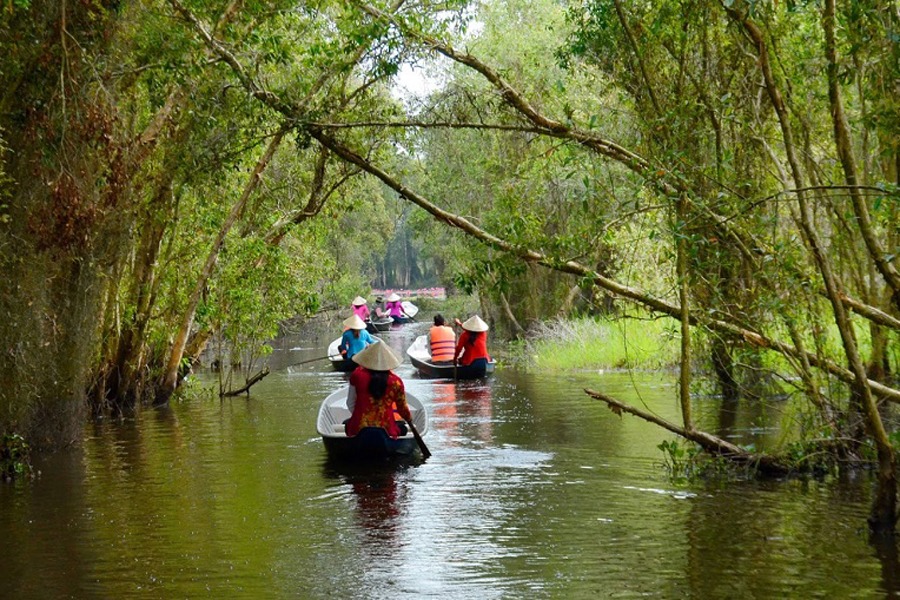
Travelling through flooded forests in Long An
Bordering Cambodia to the west and major economic zones to the east, Long An plays an important role as a bridge between the Southeast region and the Mekong Delta. Despite its growing development, the province still keeps its rural charm and relaxed atmosphere.
Culturally, Long An reflects the true spirit of Southern Vietnam. Local life is closely connected to rivers and agriculture, and visitors can experience traditional architecture, craft villages, and historic sites that tell the story of early settlers who transformed wetlands into thriving communities. With its mix of nature, history, and easy accessibility, Long An is ideal for short trips, eco-tourism experiences, and travelers looking to explore a quieter side of Vietnam.
You may like: Mekong Delta Tours Recommendation: A 3-Day Itinerary And Some Newbie Tips
Long An’s history dates back to the first millennium, when it was part of the Giao Chau administrative division during periods of Chinese domination. Later, under the Nguyen Lords in the Dang Trong region, the area gradually developed thanks to its fertile land and strategic waterways, becoming an important settlement in southern Vietnam.
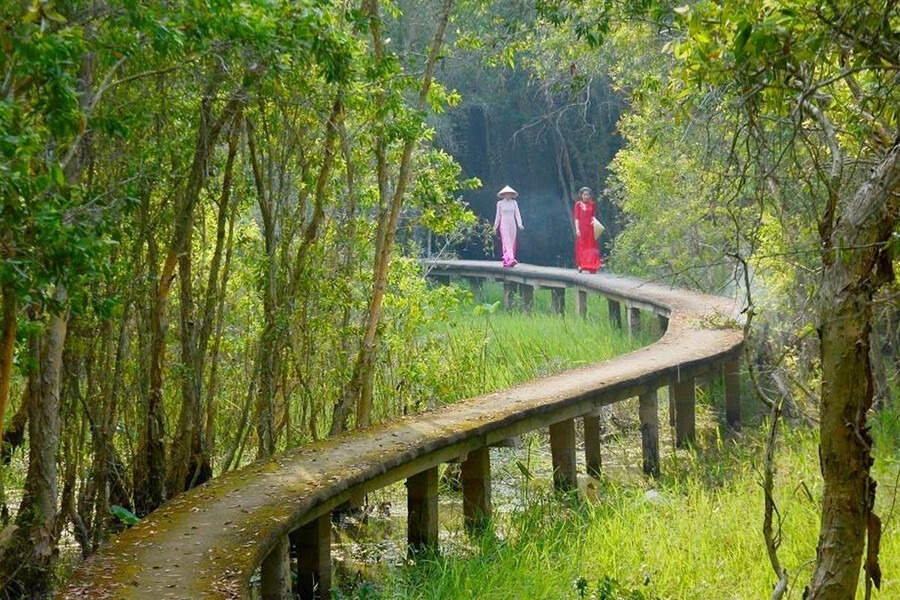
Breathtaking views inside Tan Lap Floating Market Long An
During the 17th and 18th centuries, Long An played a key role in opening and developing the Mekong Delta. Extensive canal and irrigation systems transformed wetlands into productive rice fields, turning the province into a major agricultural center.
In the 19th century, French colonial rule introduced new infrastructure and administrative systems while also fueling resistance movements. The province later witnessed heavy conflict during the Vietnam War before entering a period of reconstruction after reunification.
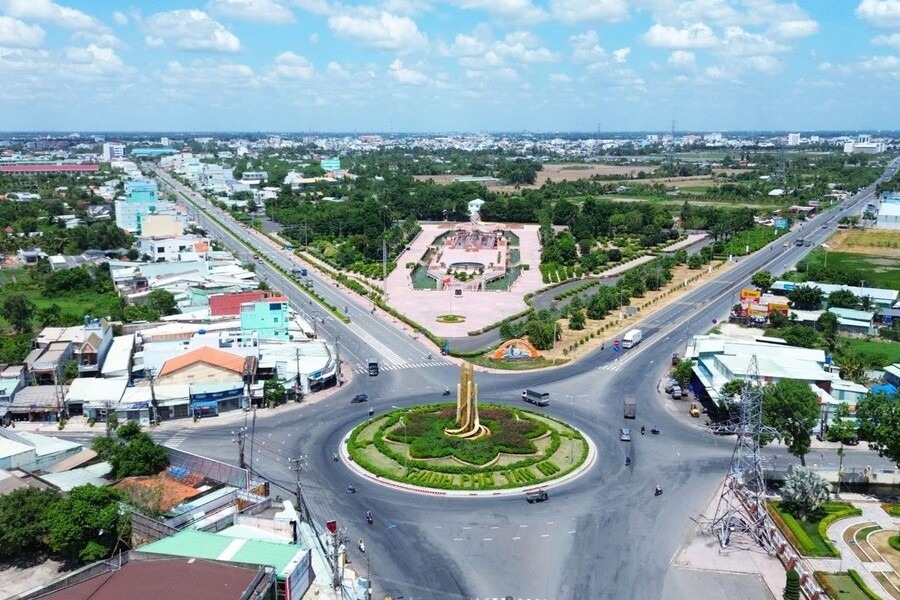
Tra Vinh, the economic center of Long An
In recent years, Long An has continued to modernize while preserving its cultural and historical identity. Following its administrative merger with Tay Ninh, the region is entering a new stage of development, strengthening its role as an important economic and cultural gateway in southern Vietnam.
Tan Lap Floating Village is one of the most famous tourist attractions in Long An. Located in Moc Hoa District, Tan Lap Floating Village is a peaceful eco-tourism destination surrounded by rivers and wetlands. The area is famous for its ancient cajuput forest, lotus ponds, water lilies, and diverse wildlife, including many species of birds, fish, and amphibians.

Tan Lap Floating Market seen from above
Visitors can walk along a long wooden pathway stretching through the forest, take a small boat ride across calm waters, and climb the observation tower for panoramic views. During the flood season, the scenery becomes even more impressive, making it one of the best eco-tourism experiences in southern Vietnam.
In addition, travelers can enjoy local Southern specialties and traditional cultural activities like wood carving, boat making, and listening to “don ca tai tu” music.
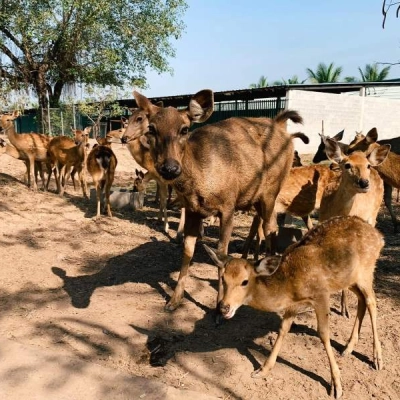
My Quynh Safari is a modern attraction in Long An, perfect for families and weekend trips from Ho Chi Minh City. The park offers a semi-wildlife model where animals live in spacious, natural-style habitats, providing a more comfortable and ethical environment.
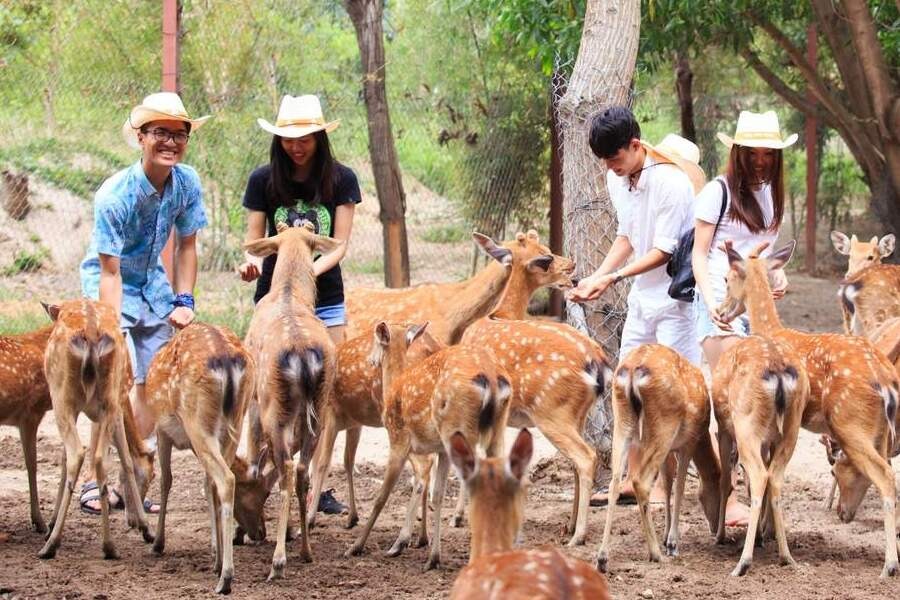
Feeding Animals in My Quynh Safari
Visitors can observe various animal species, enjoy outdoor activities, and take photos in well-designed spaces. It is a good choice for travelers looking for a fun, educational, and easy-to-enjoy experience close to the city.
Nha Co Tram Cot is a remarkable architectural landmark that has existed for more than 100 years in Long An. Located along the Vam Co Dong River, the house is famous for its 120 precious wooden pillars and traditional craftsmanship. It stands as one of the most impressive ancient attractions in Long An and in southern Vietnam.
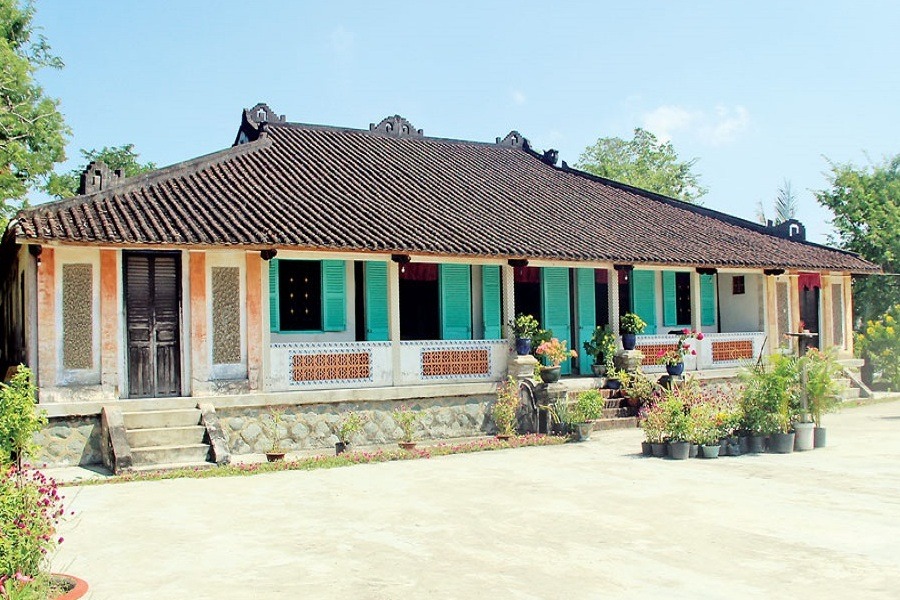
The Unique Architecture of 100-pillar House in Long An
Although strongly influenced by Hue royal architecture, the house was built during the French colonial period in the South. The structure reflects the lifestyle of wealthy families in the past and showcases excellent craftsmanship. Visiting this site allows travelers to learn more about local history and admire the beauty of traditional Vietnamese architecture.
Canh Dong Bat Tan Tourist Area is an eco-tourism destination inspired by the famous Vietnamese film of the same name. This site is known for its vast open 1000-hectare landscapes, rivers, and seasonal flooded fields that stretch endlessly to the horizon. The natural setting offers a quiet and authentic countryside atmosphere.
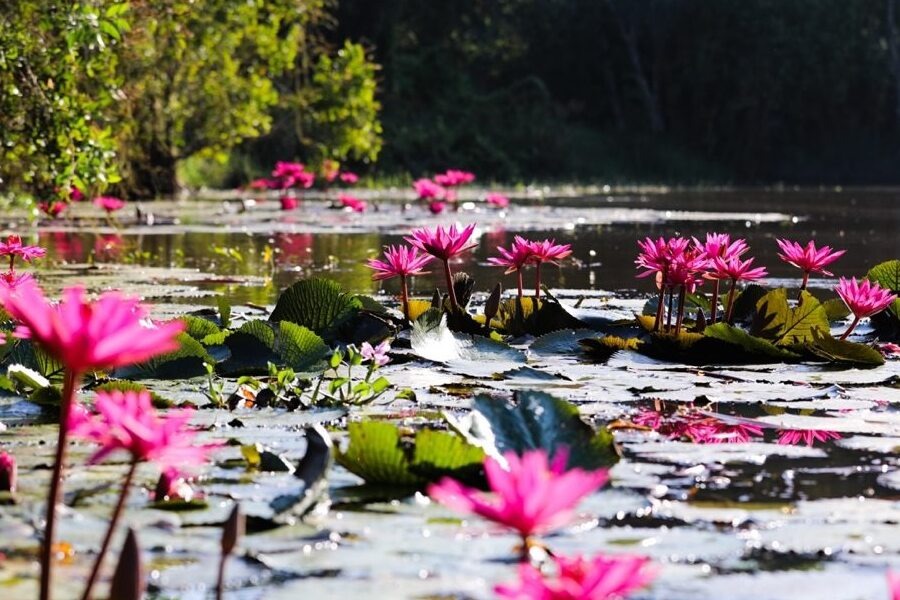
Lotus Season in Canh Dong Bat Tan, Long An
Visitors can take boat rides through canals, walk along rural paths, and enjoy the fresh air of the Mekong Delta. The area also offers local specialties and simple homestay experiences, allowing travelers to fully connect with nature, experience the slow, rustic lifestyle of southern Vietnam, and escape from the stress of urban life.
Dong Thap Muoi Ecotourism Area showcases the natural beauty of Long An’s wetland ecosystem. The landscape features lotus ponds, seasonal grasslands, and diverse bird species, offering a true Mekong Delta experience.
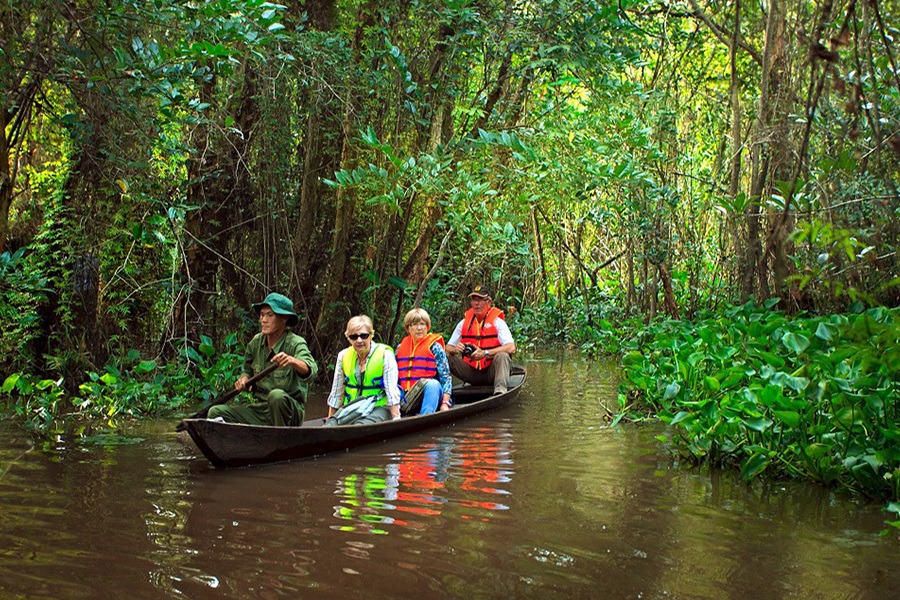
Boat Experience in Dong Thap Muoi Long An
Travelers can explore the area by boat, enjoy fresh local dishes, and learn more about the region’s biodiversity. It is a great destination for nature lovers, photographers, and anyone interested in eco-tourism in southern Vietnam.
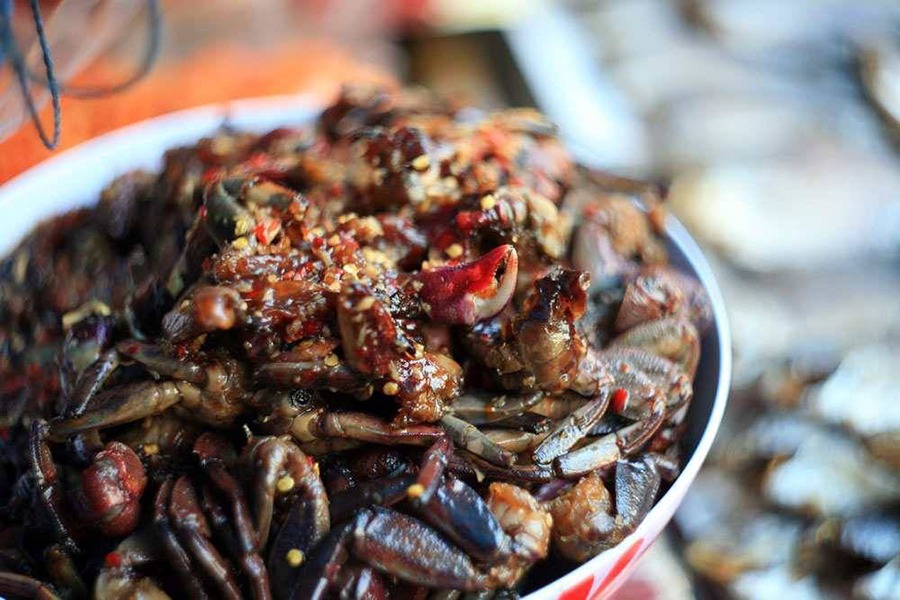
Mam Cong, a sauce made from a special kind of crabs

Canh chua ca chot, an aromatic, sour, spicy kind of soup
Ticket prices in Long An are very affordable in general, but they may vary depending on age (adult/child), time of visit, and extra activities.
(Prices may increase if you join additional activities such as boat rides, guided tours, or renting bicycles: boat rental can cost an extra 100,000-300,000 VND / $4-$12)
Long An has a tropical climate with two main seasons: the dry season and the rainy season. Each season has its own climatic features, which offer different travel experiences.
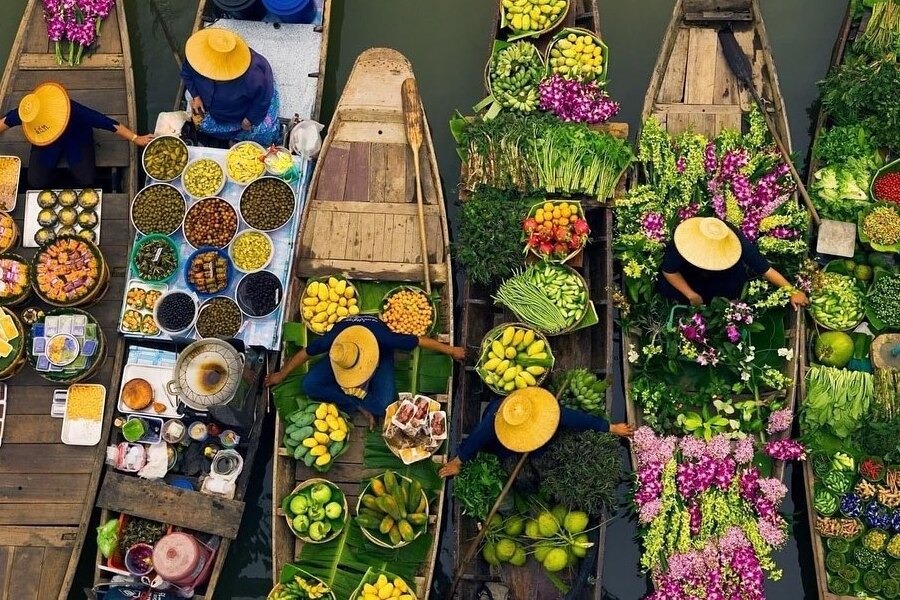
Floating Markets in Southern Vietnam
The dry season (December to April) is a pretty good time to visit if you prefer sunny weather and easy transportation. Roads are dry, outdoor activities are more convenient, and it is ideal for visiting ecotourism areas and historical sites.
The flood season (August to November) is also a special time to explore Long An. During this period, the flooded forests, lotus ponds, and waterways create beautiful natural scenery. It is perfect for boat rides and experiencing the authentic Mekong Delta lifestyle
Suggested for you: Mekong Delta Tour 3 days: Mekong Delta Eco Excursion
By Air: The nearest airport to Long An is Tan Son Nhat International Airport in Ho Chi Minh City. From the airport, you can take a Grab to reach Long An. The journey usually takes about 1-2 hours, depending on traffic.
By Bus: Long An is easily accessible by bus from Ho Chi Minh City and other southern provinces. It is an affordable and convenient option for budget travelers.
By Car or Motorbike: Renting a car or riding a motorbike is a flexible way to travel, especially for short trips. The road network between Ho Chi Minh City and Long An is well-maintained, making self-driving a comfortable choice.
By Water: As part of the Mekong Delta region, Long An can also be reached by boat through rivers and canals. This option is more common if you are already traveling within the Mekong Delta and want to experience traditional river transport.
Local Transportation: Within Long An, you can get around by taxi, motorbike taxi (xe om), or rented motorbike. For short distances in rural areas, bicycles are also a good option.
1-2 days are enough for a trip in Long An. If you want to explore at a slower pace, you can plan a 2-3 day trip.
Yes. Long An is often combined with HCMC or other Mekong Delta provinces for a longer southern Vietnam itinerary. Its location makes it very convenient for multi-destination trips.
Bring light clothing, sunscreen, a hat, and insect repellent, especially if you plan to visit flooded forests or wetlands. Comfortable walking shoes are also recommended.
Yes. ATMs are widely available in city centers and district towns, especially in areas close to Ho Chi Minh City. It is recommended to carry enough Vietnamese dong when traveling outside city centers.
Most hotels, cafés, and restaurants offer free Wi-Fi, but connections may be weaker in remote ecotourism or wetland areas, so it is helpful to have mobile data as a backup
Long An is a peaceful yet diverse destination where wetlands, local culture, and traditional cuisine come together. Whether you are looking for ecotourism experiences, historical sites, or authentic Mekong Delta flavors, Long An offers an easy and rewarding getaway.
If you are planning a trip to southern Vietnam, let Asia King Travel help you design a smooth and memorable journey. Contact Asia King Travel today to explore Long An and the hidden charm of the Mekong Delta.
You may find interesting: Southern Vietnam Tours